
Nursing home abuse and neglect put vulnerable residents at serious risk, leading to malnutrition, dehydration, infections, and preventable injuries. When facilities fail to provide adequate care, residents suffer, and families are left feeling helpless. Lack of supervision, improper medical treatment, and unsafe conditions can result in devastating harm. Understanding the warning signs, knowing your legal rights, and holding negligent facilities accountable are crucial steps in protecting your loved ones. Learn how to take action and seek justice.
January 9, 2026
3 min
When people think of nursing home abuse, they often imagine physical injuries such as bruises or broken bones. Yet one of the most damaging and widespread forms of elder abuse leaves no visible marks: emotional and psychological abuse.
Across Ohio and the United States, countless nursing home residents suffer in silence as they endure intimidation, humiliation, isolation, and verbal mistreatment. Because this abuse does not leave obvious physical evidence, it is frequently ignored or dismissed—even though its effects can be devastating.
Elderly residents depend on caregivers not only for physical assistance, but also for emotional security. When that trust is violated, the consequences can be long-lasting and deeply harmful.
Emotional or psychological abuse occurs when a caregiver or staff member inflicts mental anguish, fear, humiliation, or distress on a resident. This type of abuse can be intentional or the result of neglectful attitudes and poor training.
Common examples include:
Even a single incident can cause significant harm, especially for residents with cognitive impairments.
Elderly individuals are particularly vulnerable to psychological harm. Many residents already struggle with loneliness, anxiety, grief, or cognitive decline. Emotional abuse can severely worsen these conditions.
Consequences may include:
For residents with dementia, emotional abuse can accelerate cognitive decline and behavioral symptoms.
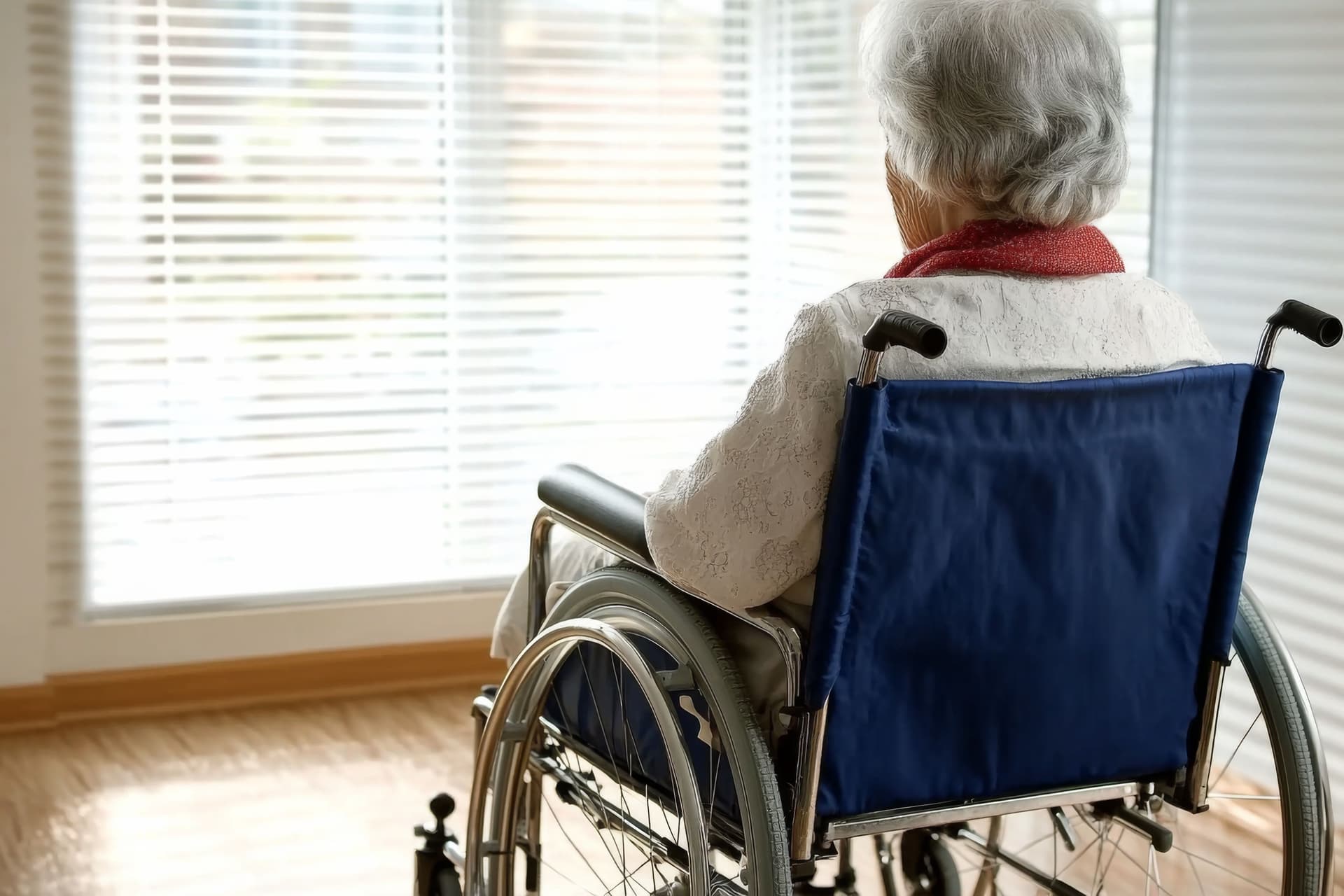
Emotional abuse rarely occurs in isolation. It often reflects deeper systemic problems within a facility.
Overworked staff may become frustrated, impatient, or dismissive toward residents, leading to verbal mistreatment or neglect.
Caregivers who lack training in elder care or dementia care may respond inappropriately to residents’ behaviors.
When management tolerates disrespectful behavior or fails to discipline abusive staff, emotional abuse becomes normalized.
Residents depend on caregivers for basic needs, making them reluctant or afraid to report mistreatment.
None of these factors excuse emotional abuse. They represent failures in leadership and accountability.
Emotional abuse is explicitly prohibited under both Ohio law and federal regulations.
Under Ohio Revised Code § 3721.13, nursing home residents have the right to:
Federal law (42 CFR § 483.12) further requires facilities to protect residents from all forms of abuse, including verbal and psychological abuse.
Facilities that fail to prevent or address emotional abuse may face fines, loss of licensure, and civil liability.
Because emotional abuse does not leave physical marks, families must pay close attention to behavioral changes.
Red flags include:
Staff dismissing concerns or blaming residents for their behavior is another major warning sign.
Many cases of emotional abuse remain hidden for several reasons.
Unfortunately, silence allows abuse to continue and worsen.
If you suspect emotional abuse, take the situation seriously and act promptly.
Listen carefully and without judgment. Even vague or emotional statements can be meaningful.
Record behavioral changes, statements, and interactions with staff.
Ask administrators how staff are trained and supervised.
In Ohio, contact:
Legal action may be necessary to protect your loved one and hold the facility accountable.
Emotional abuse cases often rely on patterns rather than single events.
Evidence may include:
A documented pattern of mistreatment can establish negligence or abuse.
Victims of emotional abuse may be entitled to compensation for:
Legal action also helps prevent abuse by forcing facilities to change harmful practices.
Attorney Michael Hill, based in Cleveland, Ohio, has extensive experience representing families in cases involving emotional and psychological abuse in nursing homes.
Michael and his team:
Michael understands that abuse is not always physical—and that emotional harm deserves justice.
Emotional and psychological abuse in nursing homes is a hidden but devastating form of elder abuse. When residents are mistreated verbally, ignored, or intimidated, their dignity, mental health, and overall well-being suffer.
Families must remain vigilant and speak up when something feels wrong. If your loved one has experienced emotional abuse in a nursing home, Attorney Michael Hill can help uncover the truth, protect your family’s rights, and pursue justice.
Seniors deserve respect, compassion, and dignity—never fear or humiliation.