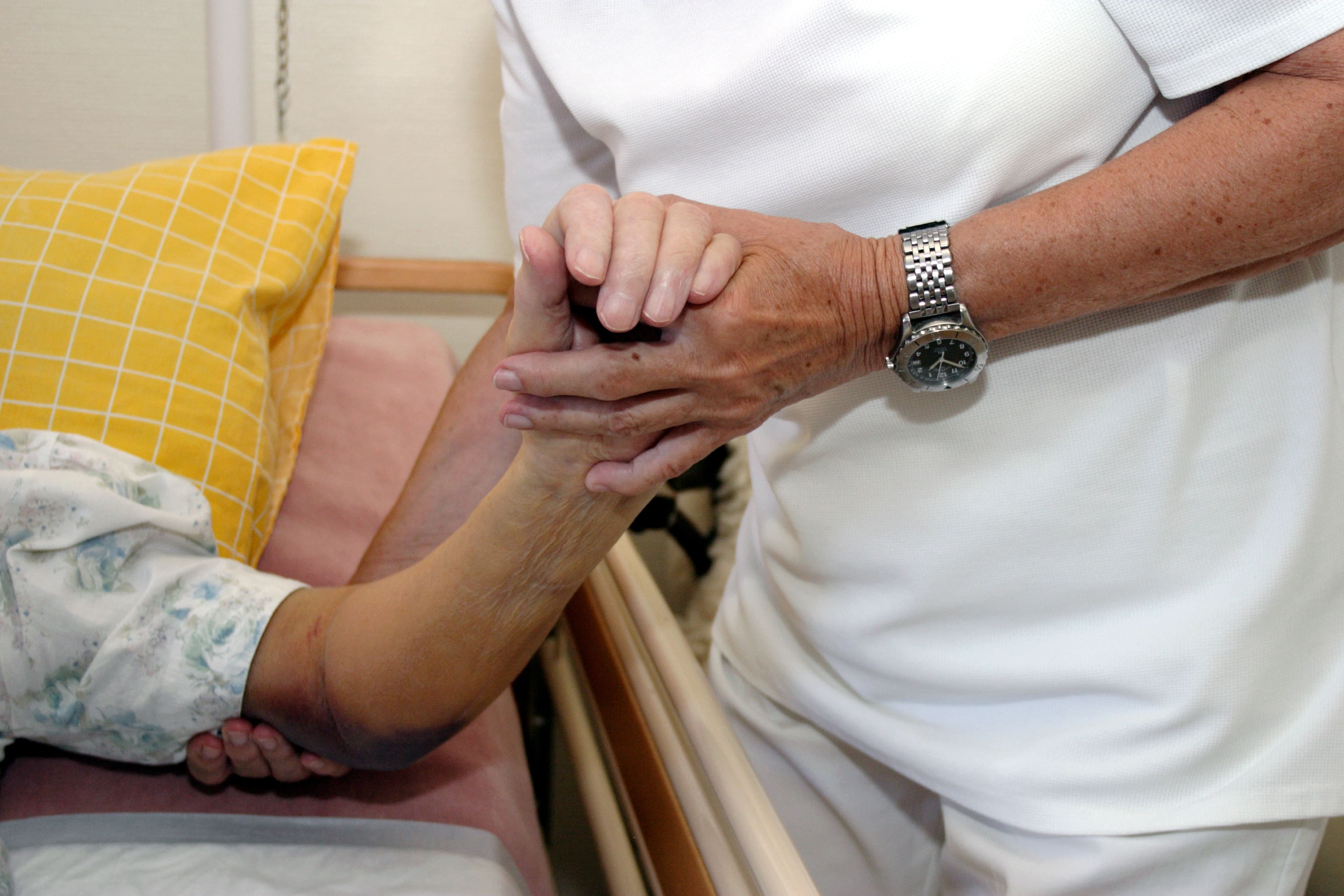
Nursing home abuse and neglect put vulnerable residents at serious risk, leading to malnutrition, dehydration, infections, and preventable injuries. When facilities fail to provide adequate care, residents suffer, and families are left feeling helpless. Lack of supervision, improper medical treatment, and unsafe conditions can result in devastating harm. Understanding the warning signs, knowing your legal rights, and holding negligent facilities accountable are crucial steps in protecting your loved ones. Learn how to take action and seek justice.
December 19, 2025
3 min
Families trust nursing homes to protect their elderly loved ones from harm. Yet one of the most common and alarming signs of nursing home neglect remains widespread: bedsores, also known as pressure ulcers. These painful wounds are not an inevitable part of aging. In most cases, they develop because a facility failed to provide basic care.
Across Ohio and the United States, regulators consistently identify pressure ulcers as indicators of systemic neglect, understaffing, and inadequate supervision. When a nursing home allows bedsores to form—or worsen—it often reflects a breakdown in fundamental caregiving responsibilities.
Understanding how bedsores occur, why they are dangerous, and what the law requires can help families protect their loved ones and pursue accountability when neglect occurs.
Bedsores are injuries to the skin and underlying tissue caused by prolonged pressure, friction, or shear. They most often develop when residents are left in the same position for extended periods without repositioning or assistance.
Common locations include:
Bedsores matter because they are widely recognized in the medical and legal communities as largely preventable injuries. When a resident develops severe pressure ulcers, it raises immediate concerns about neglect.
Pressure ulcers are classified into stages based on severity:
Red or discolored skin that does not fade when pressed. Skin remains intact but shows early damage.
The skin breaks open, forming blisters or shallow sores.
Damage extends into deeper tissue, creating open wounds that resemble craters.
The most severe stage, involving extensive damage to muscle, tendon, or bone. These wounds carry a high risk of infection and death.
Advanced bedsores are considered “never events” in healthcare—meaning they should not occur with proper care.
Bedsores do not appear overnight. They develop gradually when nursing homes fail to meet basic care standards.
Common contributing factors include:
Bedridden or wheelchair-bound residents must be repositioned at least every two hours. When staff skip or delay repositioning, pressure builds and tissue dies.
Moisture from sweat, urine, or feces weakens skin integrity. Facilities that fail to maintain cleanliness increase bedsore risk.
Residents who do not receive adequate nutrition and fluids heal more slowly and are more vulnerable to skin breakdown.
One of the leading causes. Overworked staff often lack time to reposition residents, monitor skin, or provide proper hygiene.
Routine skin checks are required for at-risk residents. Missed assessments allow early-stage sores to worsen.
Each of these failures reflects negligence, not unavoidable medical conditions.
For elderly residents, bedsores are far more than skin injuries. They can lead to serious, life-threatening complications, including:
Once infection sets in, recovery becomes extremely difficult—especially for residents with compromised immune systems.
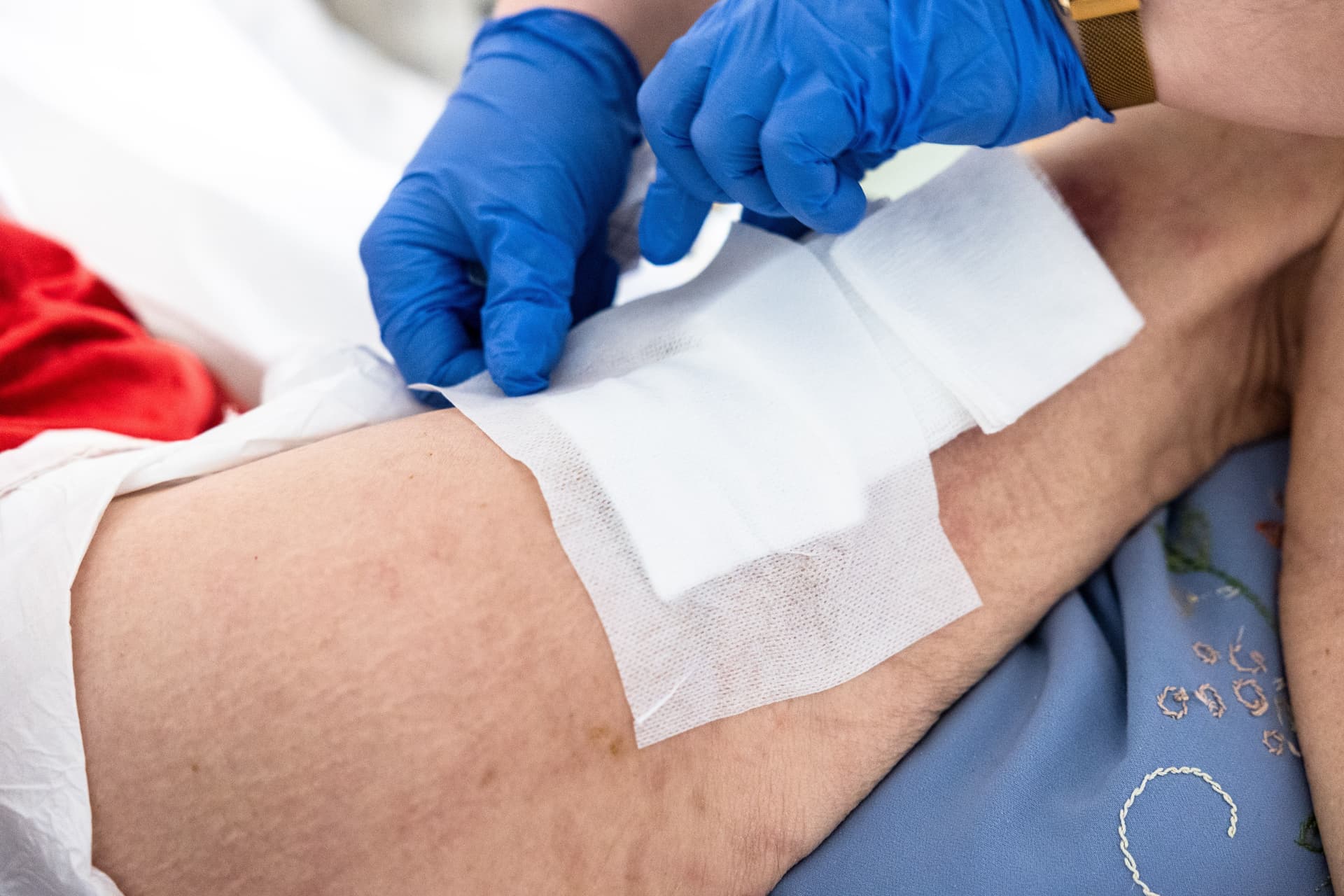
Both federal law and Ohio regulations impose strict requirements on nursing homes to prevent and treat pressure ulcers.
Under the Nursing Home Reform Act (42 U.S.C. § 1395i-3), facilities must ensure that:
Ohio regulations, including Ohio Administrative Code 3701-17-09, further require:
Failure to comply can result in citations, fines, and civil liability.
Families visiting loved ones should be alert to red flags such as:
If a facility avoids questions or minimizes concerns, it may be attempting to hide neglect.
If your loved one develops bedsores, act quickly:
To prove a bedsore case, an attorney must show:
Evidence often includes medical records, staffing schedules, expert testimony, and inspection reports showing systemic neglect.
Victims of bedsore-related neglect may be entitled to compensation for:
Civil action not only helps families recover losses but also forces facilities to improve care standards.
Attorney Michael Hill, based in Cleveland, Ohio, has extensive experience handling nursing home neglect cases involving pressure ulcers. He understands that bedsores are often the result of systemic failures, not isolated incidents.
Michael and his team:
His mission is to protect vulnerable seniors and ensure families receive answers and justice.
Bedsores are one of the clearest warning signs of nursing home neglect. They reflect failures in supervision, hygiene, nutrition, and staffing—failures that place elderly residents at serious risk.
If your loved one developed pressure ulcers in a nursing home, you have the right to ask questions and demand accountability. Attorney Michael Hill can help you uncover the truth, protect your family’s rights, and pursue justice against negligent facilities.
Seniors deserve dignity, comfort, and attentive care—anything less is unacceptable.