Nursing home abuse and neglect put vulnerable residents at serious risk, leading to malnutrition, dehydration, infections, and preventable injuries. When facilities fail to provide adequate care, residents suffer, and families are left feeling helpless. Lack of supervision, improper medical treatment, and unsafe conditions can result in devastating harm. Understanding the warning signs, knowing your legal rights, and holding negligent facilities accountable are crucial steps in protecting your loved ones. Learn how to take action and seek justice.
January 9, 2026
3 min
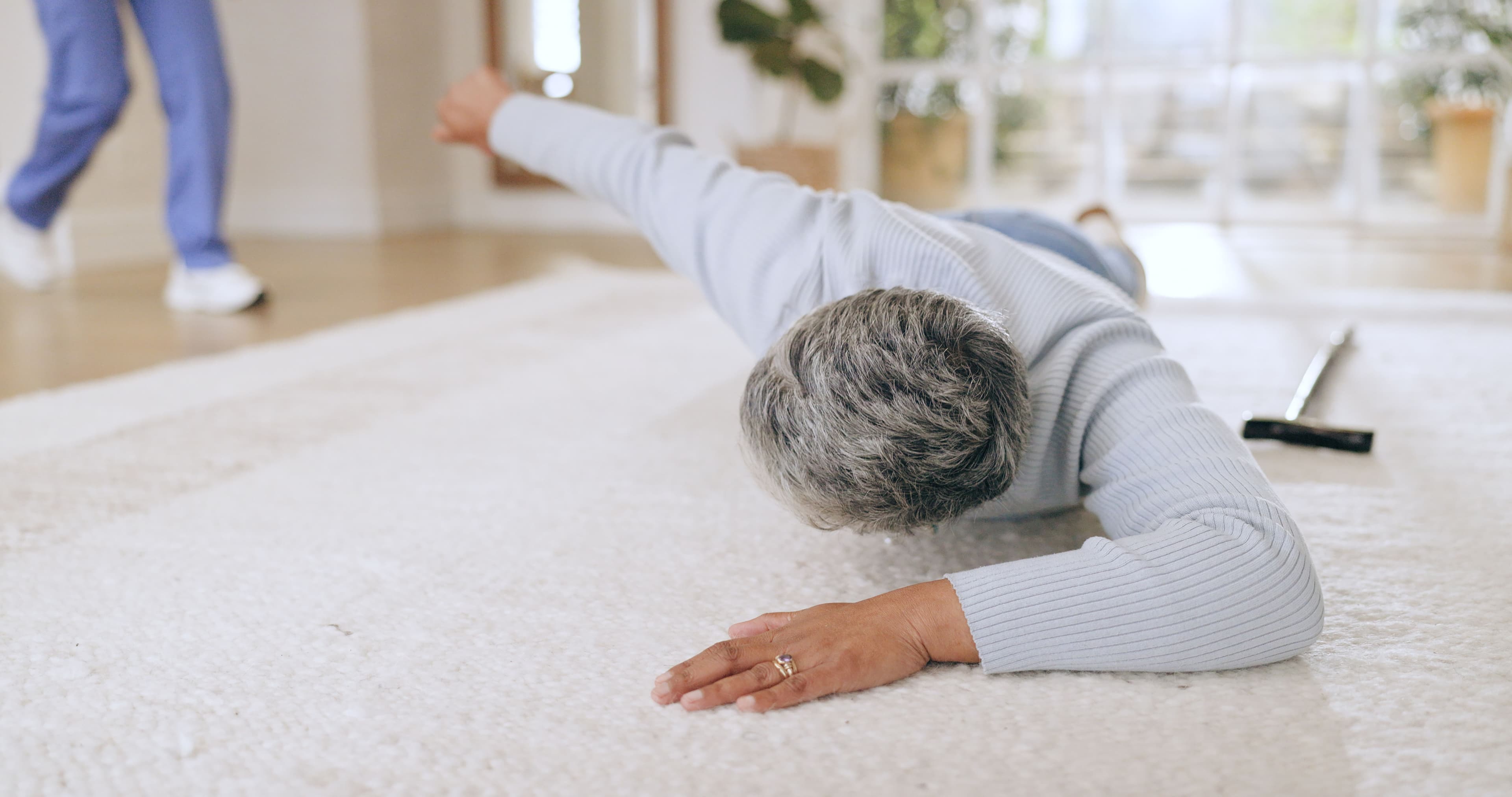
Falls are one of the most common and dangerous incidents affecting nursing home residents. For elderly individuals, even a single fall can result in broken bones, head trauma, permanent disability, or death. Families trust nursing homes to provide a safe environment designed to minimize these risks. Unfortunately, across Ohio and the United States, many facilities fail to implement basic fall-prevention measures, placing residents in serious danger.
Falls are rarely “just accidents.” In most cases, they occur because nursing homes ignored known risks, failed to follow care plans, or cut corners on staffing and supervision. Understanding why falls happen, what the law requires, and how families can respond is essential to protecting vulnerable seniors.
Aging bodies are more fragile. Bones are weaker, balance is reduced, and recovery takes longer. As a result, falls often lead to devastating outcomes, including:
For many seniors, a fall marks the beginning of rapid health deterioration. That is why fall prevention is a core responsibility of every nursing home.
Falls usually happen because multiple safety failures occur at once.
Residents who require assistance with walking, transfers, or toileting are often left alone. When call lights go unanswered, residents attempt to move independently and fall.
Care plans frequently identify residents as high fall risks. When staff ignore these plans, skip monitoring, or fail to assist, falls become predictable.
Common hazards include:
These hazards should never exist in a properly managed facility.
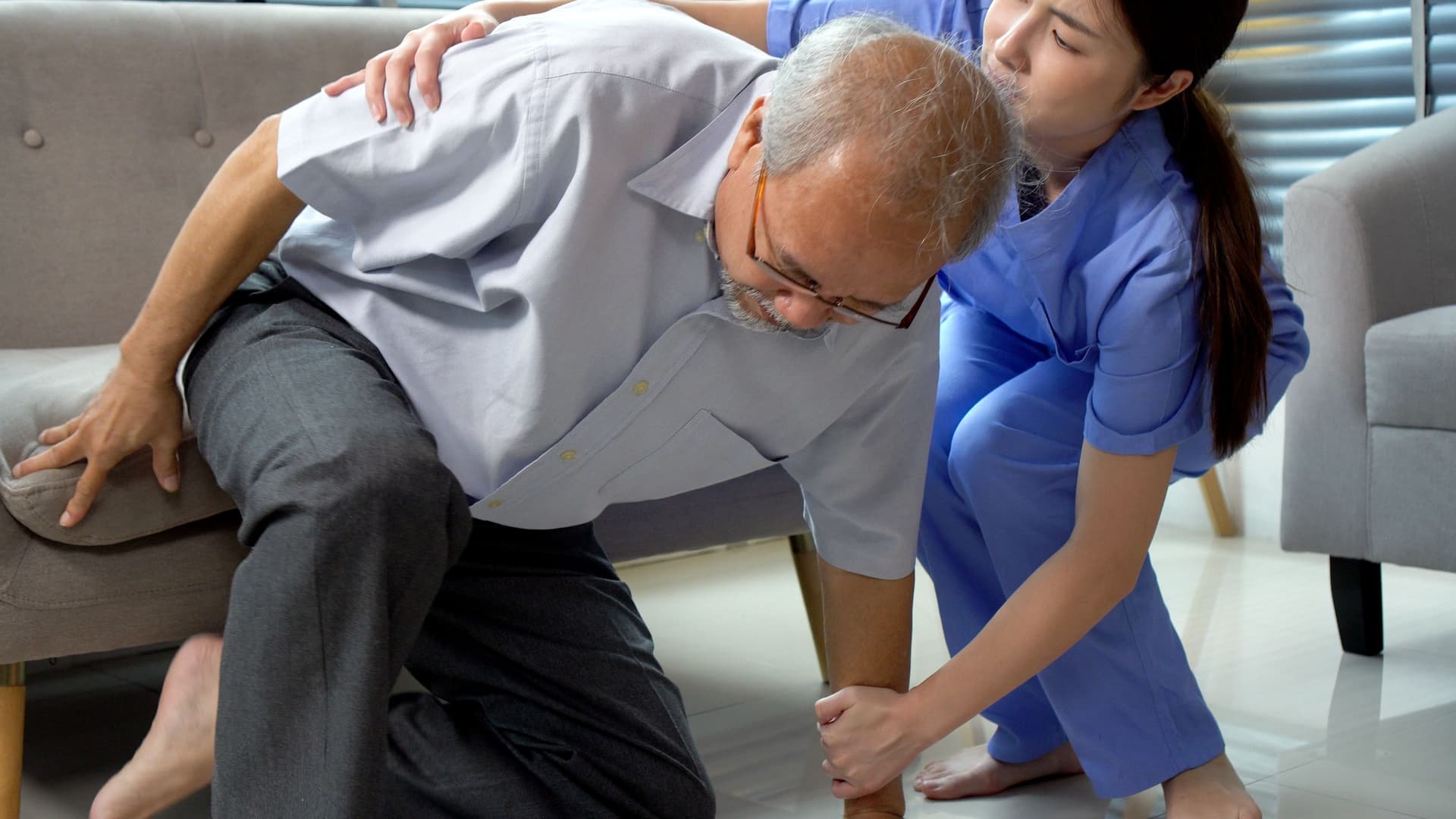
Walkers, wheelchairs, and canes must be properly fitted and maintained. Broken or inappropriate reminders increase fall risk.
Many medications cause dizziness, confusion, or low blood pressure. Nursing homes must monitor residents closely after medication changes.
When there are too few caregivers, supervision decreases and safety protocols are ignored. Understaffing is one of the leading contributors to falls.
Each of these failures reflects neglect, not unavoidable accidents.
Falls are often the result of systemic problems, not individual mistakes.
Some facilities maintain minimal staffing levels to reduce expenses, even when residents require constant supervision.
Staff may not be trained to properly transfer residents, assess fall risks, or recognize warning signs.
Changes in a resident’s condition may not be shared between shifts, leading to inconsistent care.
After a fall, facilities are required to reassess and adjust safety measures. Many fail to do so, allowing repeated falls to occur.
Nursing homes are legally obligated to protect residents from avoidable accidents.
Under federal law (42 CFR § 483.25), facilities must ensure residents receive care necessary to maintain the highest practicable physical well-being, including accident prevention.
The Ohio Administrative Code (OAC 3701-17) requires nursing homes to:
Failure to meet these requirements can result in citations, fines, and civil liability.
Families should remain alert to red flags that suggest inadequate fall prevention.
Warning signs include:
A pattern of falls almost always indicates neglect.
If your loved one falls in a nursing home, immediate action is essential.
Ensure injuries are fully assessed and documented by an outside physician or hospital.
Take photos of hazards, injuries, and equipment involved in the fall.
Ask for incident reports, care plans, staffing schedules, and medical notes.
In Ohio, contact:
Watch for delayed symptoms such as confusion, pain, or mobility decline.
Legal guidance can determine whether negligence caused the fall.
To establish liability, an attorney may show that:
Evidence often includes medical records, care plans, staffing logs, surveillance footage, inspection reports, and expert testimony.
Families may pursue compensation for:
Legal action also pressures facilities to improve safety standards for all residents.
Attorney Michael Hill, based in Cleveland, Ohio, has extensive experience representing families whose loved ones were injured due to preventable falls in nursing homes.
Michael and his team:
Michael understands that falls are not inevitable—and that accountability can save lives.
Failure to prevent falls in nursing homes is a serious and often deadly form of neglect. When facilities ignore safety measures, elderly residents suffer preventable injuries with lasting consequences.
Families have the right to demand safe care. If your loved one was injured in a nursing home fall, Attorney Michael Hill can help uncover the truth, protect your family’s rights, and pursue justice.
Seniors deserve environments designed for safety, dignity, and care—anything less is unacceptable.