
Nursing home abuse and neglect put vulnerable residents at serious risk, leading to malnutrition, dehydration, infections, and preventable injuries. When facilities fail to provide adequate care, residents suffer, and families are left feeling helpless. Lack of supervision, improper medical treatment, and unsafe conditions can result in devastating harm. Understanding the warning signs, knowing your legal rights, and holding negligent facilities accountable are crucial steps in protecting your loved ones. Learn how to take action and seek justice.
December 19, 2025
3 min
Nursing homes are entrusted with the responsibility of caring for elderly residents who often have complex and fragile medical conditions. When a medical emergency occurs, seconds and minutes matter. Yet across Ohio and the United States, families continue to discover that their loved ones suffered devastating harm—or death—because nursing home staff failed to respond appropriately to medical emergencies.
A delayed response to a stroke, heart attack, fall, infection, or breathing crisis is not a minor oversight. It is a dangerous form of neglect that can turn a survivable incident into a fatal one. Families deserve to understand why these failures happen, what the law requires of nursing homes, and how they can hold facilities accountable.
A medical emergency is any sudden health event that requires immediate medical attention to prevent serious injury or death. In nursing homes, common emergencies include:
Nursing home residents often cannot advocate for themselves during these moments, making staff vigilance and prompt action absolutely essential.
A failure to respond to a medical emergency occurs when staff ignore, delay, minimize, or mishandle a serious health event. This neglect may take many forms:
When nursing homes fail to act quickly and appropriately, residents lose critical time—often with irreversible consequences.
Medical emergencies are often mishandled due to systemic failures rather than isolated mistakes.
Short-staffed facilities may not have enough caregivers available to notice or respond to emergencies. Residents may wait extended periods for help while staff attend to other duties.
Staff members may not recognize the early signs of stroke, heart attack, or sepsis. Without proper training, caregivers may underestimate the seriousness of symptoms.
Lack of oversight allows dangerous delays to go unnoticed, especially during nights or weekends.
Some facilities delay calling emergency services to avoid regulatory attention or hospital transfers, placing residents at risk.
Facilities without clear procedures for emergencies often respond inconsistently and dangerously.
Each of these factors reflects a breach of the nursing home’s duty of care.
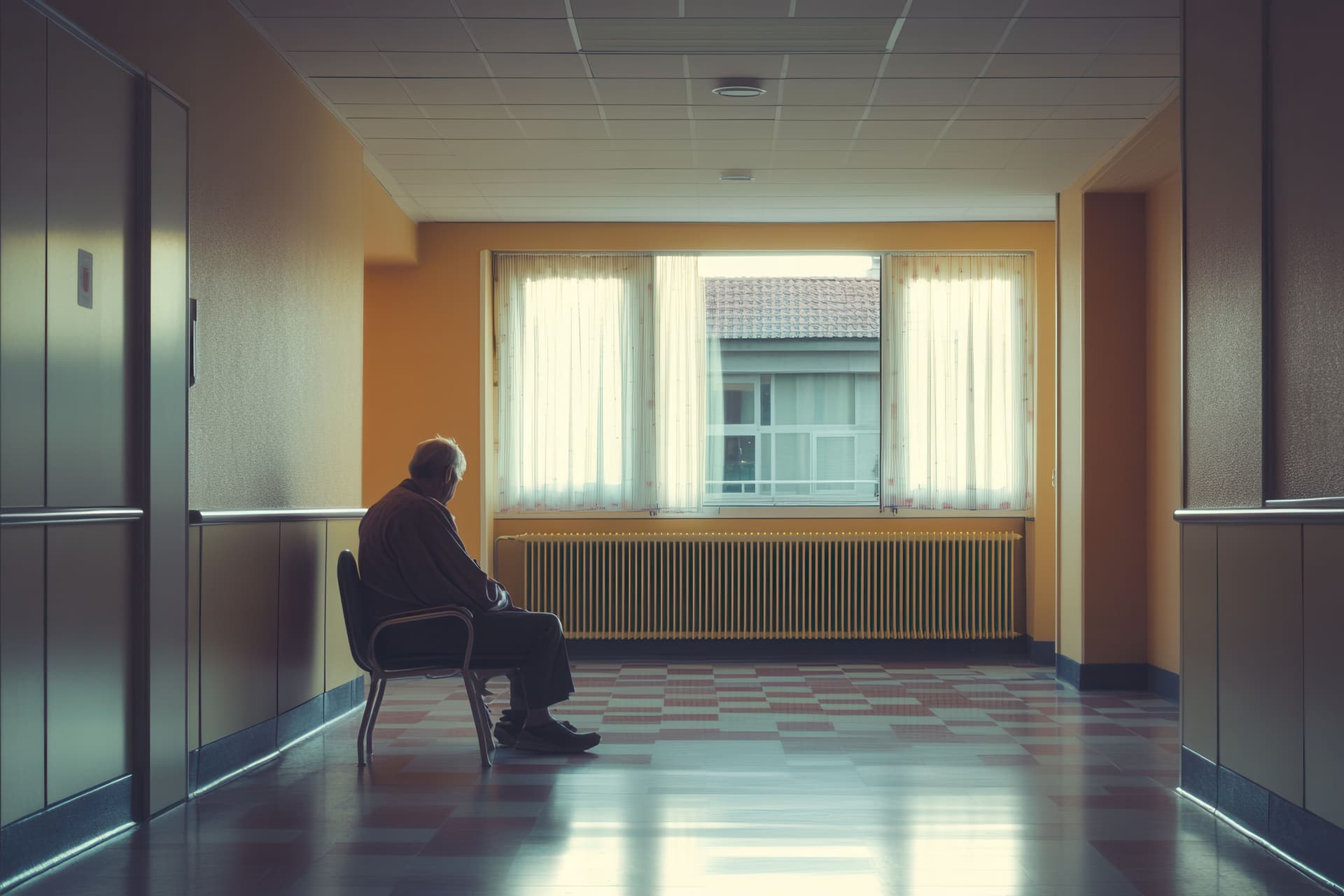
Elderly residents have limited physical reserves. A delay that might be survivable for a younger person can be fatal for a senior.
Consequences of delayed emergency care include:
In many cases, timely intervention could have prevented serious harm or saved a life entirely.
Both federal and Ohio laws impose strict obligations on nursing homes to respond promptly to medical emergencies.
Under 42 CFR § 483.25, nursing homes must provide residents with the necessary care to attain or maintain their highest practicable physical well-being, including timely medical intervention.
The Ohio Administrative Code (OAC 3701-17) further requires facilities to:
Failure to comply may result in state citations, fines, license sanctions, and civil liability.
Families often notice warning signs before or after a medical emergency is mishandled. These include:
If explanations do not add up, it may indicate a delayed or improper response.
If your loved one experiences a medical emergency in a nursing home, immediate steps are critical.
Ensure your loved one receives prompt evaluation from a hospital or outside physician.
Write down timelines, symptoms, staff responses, and statements. Photos and medical records are vital.
Ask for nursing notes, incident reports, care plans, and staffing logs from the time of the emergency.
In Ohio, report concerns to:
Legal guidance can determine whether the delay constituted negligence and whether legal action is warranted.
To hold a nursing home accountable, an attorney must establish:
Evidence often includes:
Patterns of delayed responses often reveal broader systemic neglect.
When a nursing home’s failure to respond causes harm, families may seek compensation for:
Legal action not only provides compensation but also forces facilities to improve emergency response practices.
Attorney Michael Hill, based in Cleveland, Ohio, has extensive experience representing families whose loved ones were harmed due to delayed or ignored medical emergencies in nursing homes.
Michael and his team:
Michael is committed to ensuring that nursing homes do not escape responsibility when inaction costs residents their health—or their lives.
Failure to respond to medical emergencies in nursing homes is a deadly form of neglect. When staff ignore warning signs or delay care, elderly residents pay the price.
Families have the right to demand answers, accountability, and justice. If your loved one suffered harm due to delayed emergency response, Attorney Michael Hill can help uncover the truth and fight for your family’s rights.
Every nursing home resident deserves prompt, attentive medical care—especially when their life depends on it.