Nursing home abuse and neglect put vulnerable residents at serious risk, leading to malnutrition, dehydration, infections, and preventable injuries. When facilities fail to provide adequate care, residents suffer, and families are left feeling helpless. Lack of supervision, improper medical treatment, and unsafe conditions can result in devastating harm. Understanding the warning signs, knowing your legal rights, and holding negligent facilities accountable are crucial steps in protecting your loved ones. Learn how to take action and seek justice.
December 8, 2025
3 min
Supervision is one of the most fundamental responsibilities of a nursing home. Elderly residents depend on staff to help them move safely, prevent falls, monitor medical needs, and ensure their overall well-being. Yet across Ohio and the United States, inadequate supervision has become one of the leading causes of nursing home injuries—many of which are entirely preventable.
When nursing homes fail to properly supervise residents, the consequences can be catastrophic:
Supervision failures highlight deeper systemic problems such as understaffing, poor training, and mismanagement. Families must understand how these failures occur, the warning signs, and what legal rights exist to hold negligent facilities accountable.
Inadequate supervision happens when a nursing home fails to monitor, observe, or assist a resident in a way that reasonably ensures their safety. It may involve:
Supervision must be individualized. Every resident has different needs based on mobility, cognitive function, and medical conditions. One-size-fits-all care is never acceptable.
Lack of supervision is directly linked to some of the most frequent and severe nursing home injuries:
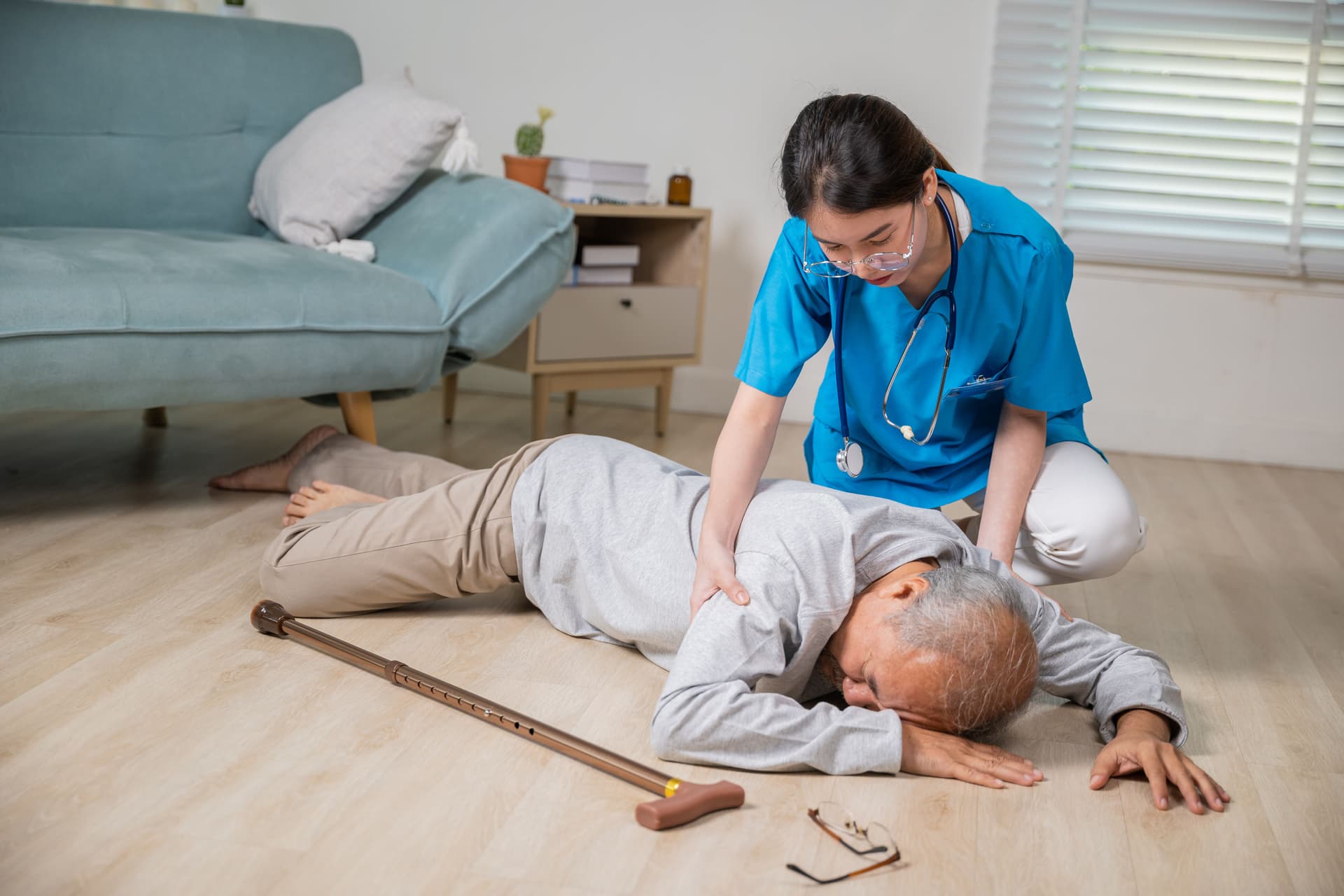
Falls are the leading cause of injury-related death for seniors. Residents who should never be left alone—especially during transfers or walking—are often injured because staff were unavailable.
Residents with dementia may leave their rooms, exit the facility, or wander into unsafe areas. Without adequate monitoring or alarm systems, these incidents can be fatal.
Unsupervised residents may become aggressive or violent, harming other vulnerable individuals. Proper supervision could prevent nearly all these incidents.
When staff are rushed or inattentive, they may skip doses, mix medications between residents, or fail to monitor side effects.
Residents who need monitoring during meals can choke if left unattended. Lack of supervision during feeding is a serious violation of care standards.
If staff fail to monitor residents or notice medical distress, conditions such as stroke, heart attack, or infection can worsen rapidly.
Every one of these injuries is preventable with proper staffing and oversight.
Supervision failures almost always reflect systemic neglect, not isolated mistakes. Common causes include:
Ohio nursing homes consistently rank among the lowest in the nation for staffing levels. When too few caregivers are responsible for too many residents, supervision becomes impossible.
Staff may not understand how to safely transfer residents, how to respond to dementia behaviors, or how to recognize the signs of medical emergencies.
Constant changes in caregiving staff lead to confusion, poor communication, and lack of continuity in care.
Each resident should have a detailed plan describing their supervision needs. When these plans are outdated or ignored, safety risks escalate.
Broken alarms, malfunctioning door locks, and insufficient monitoring equipment allow residents to wander unnoticed.
When leadership prioritizes cost-cutting over safety, supervision suffers.
All of these failures violate state and federal care standards.
Under the Ohio Administrative Code (OAC 3701-17) and federal regulations (42 CFR § 483), nursing homes must:
Failure to provide proper supervision is a breach of the facility’s legal duty of care and can result in civil liability.
Families should be vigilant for red flags such as:
If these signs occur repeatedly, the facility may be operating below acceptable care standards.
If you suspect inadequate supervision, act immediately:
Record dates, times, photos, and names of staff involved.
Demand updates to supervision requirements, fall precautions, or dementia safety protocols.
These agencies can investigate supervision failures.
Unannounced visits help you observe whether your loved one is being properly monitored.
A nursing home abuse lawyer can uncover systemic problems and hold the facility accountable.
To prove inadequate supervision legally, an attorney must show:
Evidence often includes:
Because supervision failures are often linked to understaffing, litigation can reveal broader negligence affecting many residents.
Residents harmed by inadequate supervision may be entitled to compensation for:
Legal action also pressures facilities to improve staffing and safety measures.
Attorney Michael Hill, based in Cleveland, Ohio, represents families throughout the state and nationally in cases involving inadequate supervision. He understands how often these injuries are preventable and how deeply they affect families.
Michael and his team:
His mission is to protect vulnerable residents and secure justice for families who trusted that their loved one would be safe.
Inadequate supervision is one of the most dangerous—and preventable—forms of nursing home neglect. When facilities fail to properly monitor residents, injuries occur, decline accelerates, and families suffer needless heartbreak.
If you believe supervision failures harmed your loved one, Attorney Michael Hill can help you uncover the truth, protect your family’s rights, and pursue justice. Seniors deserve safe, attentive, and dignified care—and when nursing homes fail, they must be held accountable.