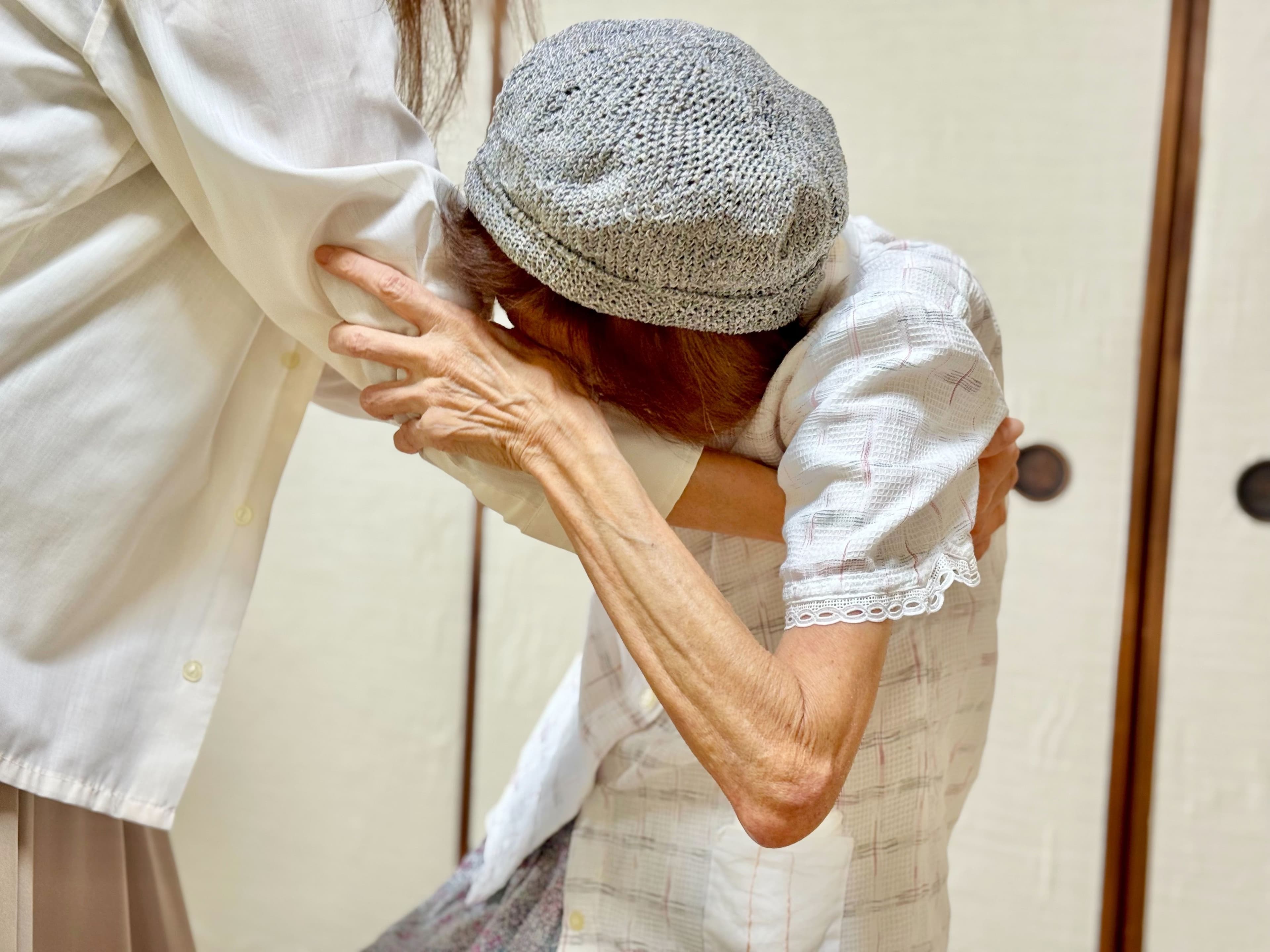
Nursing home abuse and neglect put vulnerable residents at serious risk, leading to malnutrition, dehydration, infections, and preventable injuries. When facilities fail to provide adequate care, residents suffer, and families are left feeling helpless. Lack of supervision, improper medical treatment, and unsafe conditions can result in devastating harm. Understanding the warning signs, knowing your legal rights, and holding negligent facilities accountable are crucial steps in protecting your loved ones. Learn how to take action and seek justice.
December 4, 2025
3 min
Malnutrition and dehydration are two of the most alarming—and most preventable—conditions affecting elderly residents in nursing homes. When an older adult becomes noticeably thinner, weaker, confused, or lethargic, it may not be the natural aging process. Instead, these are often silent signs of neglect inside the facility that is supposed to be caring for them.
Across Ohio and the United States, state investigators frequently uncover cases in which nursing homes fail to provide residents with adequate food, fluids, and monitoring. These failures can cause rapid health deterioration, hospitalization, long-term disability, and even wrongful death.
Families must understand the warning signs, the legal obligations of nursing homes, and the steps to take when neglect is suspected. This article explains why malnutrition and dehydration happen, why they are so dangerous, and how to hold negligent facilities accountable.
Seniors are already at higher risk for weight loss, muscle decline, and dehydration due to normal aging. But when a nursing home fails to provide proper nutrition and hydration, the consequences escalate quickly.
Effects include:
Even mild dehydration in an elderly resident can become a medical emergency. That’s why federal and state laws require nursing homes to monitor and support each resident’s nutritional needs.
Malnutrition and dehydration rarely occur without warning. They are usually the result of deeper systemic failures in the nursing home.
When there are not enough caregivers available, residents who need help eating or drinking simply do not receive it. Staff may rush through meals or skip them entirely.
Facilities must document how much each at-risk resident eats and drinks. When staff fail to keep accurate records, dangerous declines go unnoticed.
Residents with dementia, dysphagia (difficulty swallowing), diabetes, or mobility limitations need tailored dietary support. Neglecting these needs can lead to choking, aspiration, or insufficient intake.
Unappetizing meals, cold food, or repetitive menus can reduce a resident’s desire to eat—especially if no substitutes are offered.
Residents who cannot pour a drink, open containers, or reach water are at high risk. Facilities must ensure water is easily accessible and consumption is supervised.
Every one of these failures represents a breach of the nursing home’s duty of care.
Both federal laws and Ohio regulations require nursing homes to maintain residents’ nutritional well-being.
Under the Nursing Home Reform Act (42 U.S.C. § 1395i-3) and Ohio Administrative Code 3701-17-09, facilities must:
When a nursing home fails to meet these standards, it may face state citations, federal penalties, and civil liability.
Because malnutrition and dehydration can progress silently, families should observe the following signs during visits:
If multiple signs appear together, it strongly suggests systemic neglect.
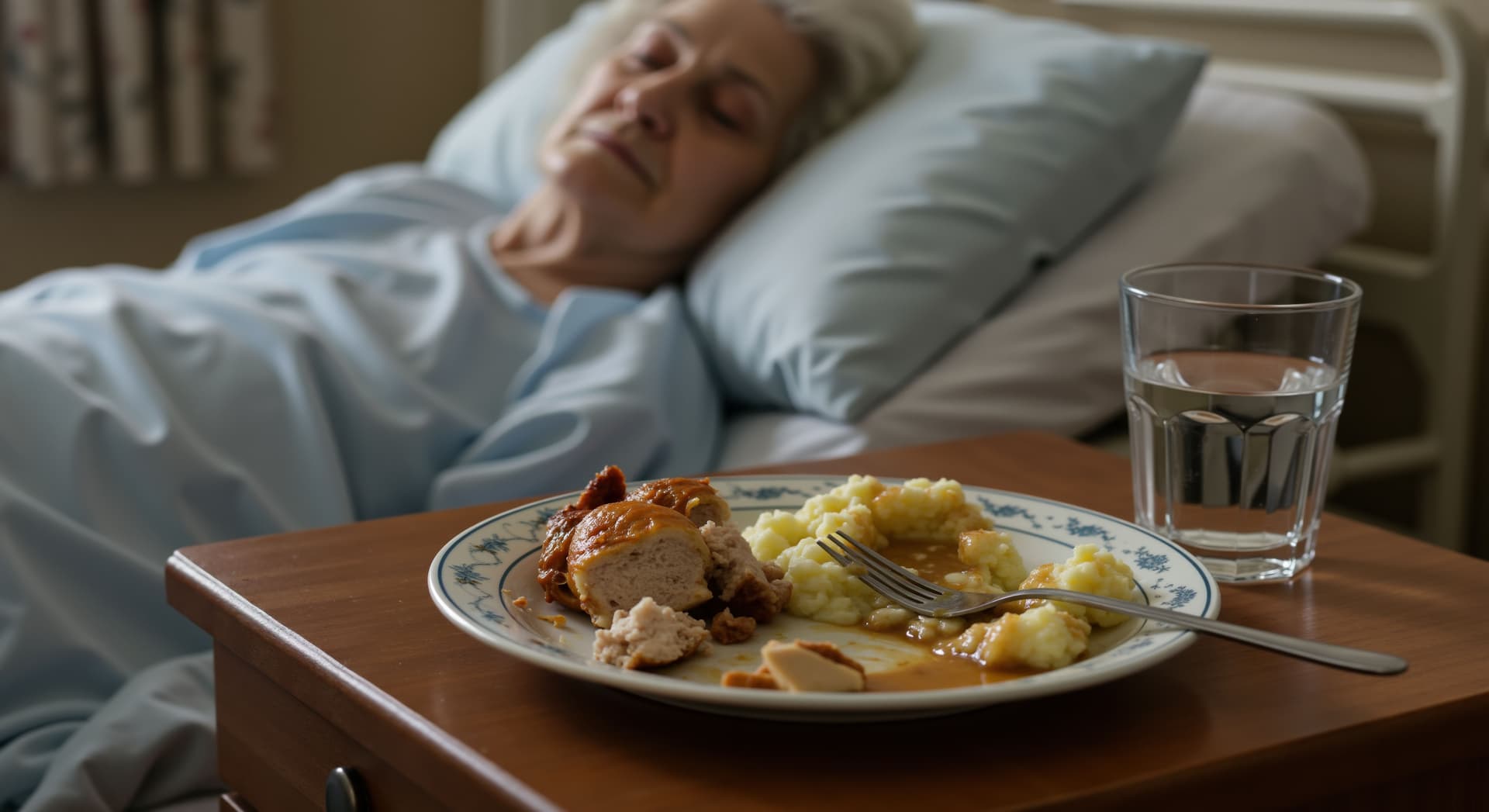
If you believe your loved one is suffering from malnutrition or dehydration, take immediate action.
Do not rely solely on the nursing home’s assessment. A doctor or hospital can document dehydration, malnutrition, or other damage.
Ask for:
Missing or inconsistent records are often evidence of neglect.
Take photos of rapid weight loss, poor food quality, or lack of hydration access.
You may report the facility to:
Both agencies investigate neglect and protect residents’ rights.
An attorney can determine whether the facility violated state and federal care standards and pursue compensation.
To hold the nursing home legally responsible, evidence must show:
Attorneys often use:
In many cases, significant weight loss or dehydration is a clear indicator of long-term neglect—not an isolated mistake.
When a nursing home’s negligence results in malnutrition or dehydration, families may seek damages for:
Beyond compensation, legal action helps improve standards and protect other residents.
Attorney Michael Hill, based in Cleveland, Ohio, has extensive experience representing families whose loved ones were harmed by malnutrition or dehydration in nursing homes.
Michael and his team:
His mission is to ensure that every elderly resident receives the dignity, safety, and proper care they deserve—and that negligent facilities face consequences.
Malnutrition and dehydration are not unavoidable outcomes of aging—they are serious red flags of nursing home neglect. When a facility fails to provide proper nutrition or hydration, residents can suffer devastating, life-threatening consequences.
Families must act quickly when warning signs appear. By reporting neglect and seeking legal support, you can protect your loved one and ensure that the facility is held accountable.
If your loved one has suffered from malnutrition or dehydration in a nursing home, Attorney Michael Hill can help you uncover the truth, fight for justice, and safeguard your family’s rights.