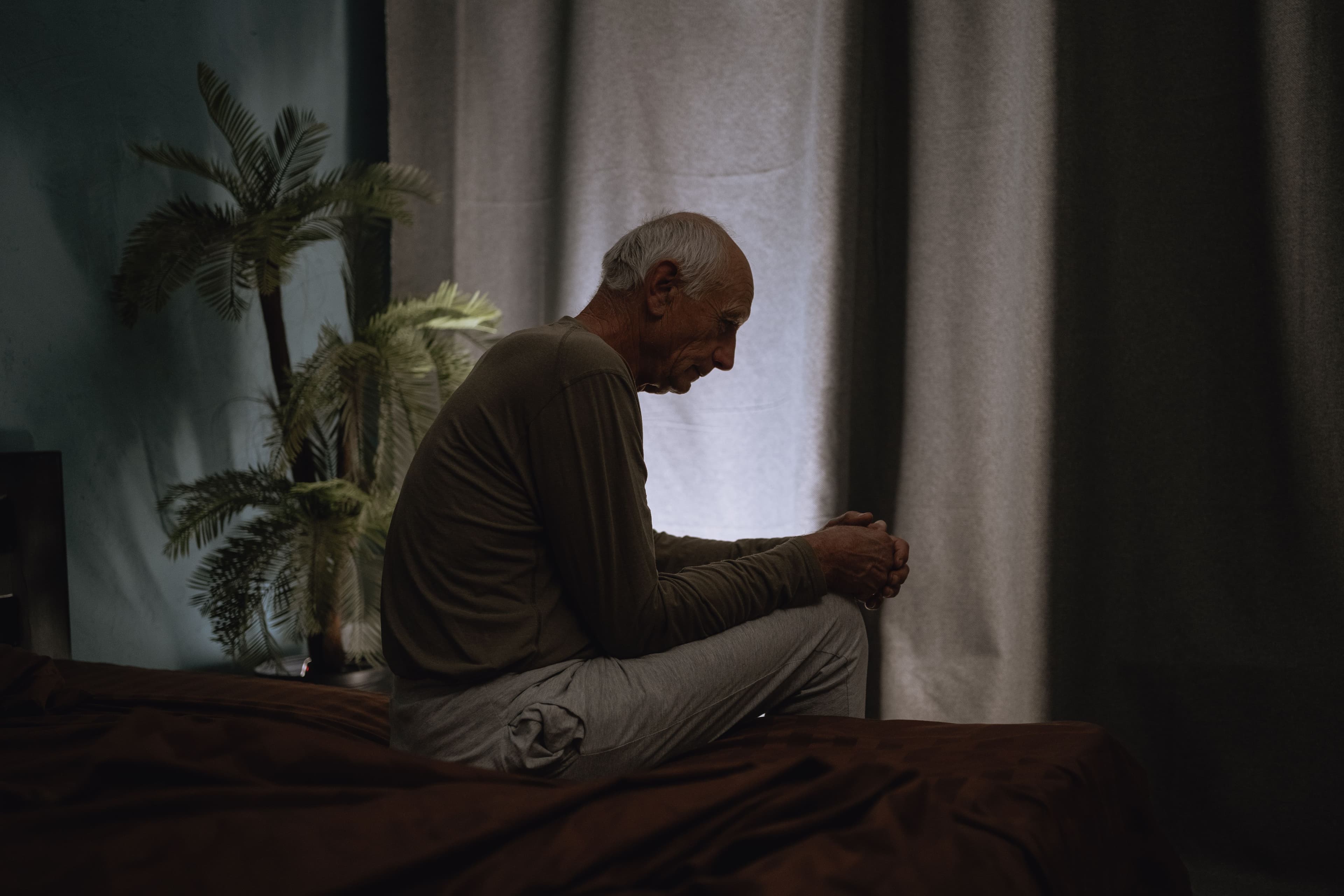
Nursing home abuse and neglect put vulnerable residents at serious risk, leading to malnutrition, dehydration, infections, and preventable injuries. When facilities fail to provide adequate care, residents suffer, and families are left feeling helpless. Lack of supervision, improper medical treatment, and unsafe conditions can result in devastating harm. Understanding the warning signs, knowing your legal rights, and holding negligent facilities accountable are crucial steps in protecting your loved ones. Learn how to take action and seek justice.
December 23, 2025
3 min
For many families, the nighttime hours are the most worrisome period in a nursing home. While loved ones sleep, staffing levels often drop, supervision decreases, and emergencies are more likely to go unnoticed. Unfortunately, across Ohio and the United States, the overnight shift is when some of the most serious nursing home neglect occurs.
Residents are frequently left without adequate supervision during the night. Call lights go unanswered, medical emergencies are delayed, falls happen unnoticed, and vulnerable seniors may suffer alone for hours. Night shift neglect is rarely an accident—it is often the predictable result of understaffing, poor management, and cost-cutting decisions.
Understanding how night shift neglect happens and what the law requires can help families protect their loved ones and hold facilities accountable.
Nighttime care presents unique challenges in nursing homes, but these challenges do not excuse neglect. In fact, residents are often more vulnerable at night than during the day.
Risks increase because:
For residents with dementia, mobility limitations, or chronic medical conditions, these risks can be life-threatening.
Neglect during overnight hours can take many forms, some subtle and others severe.
Residents may wait extended periods for help with toileting, pain, breathing difficulties, or distress. Long delays increase the risk of falls, incontinence, and medical complications.
Residents often attempt to get out of bed at night to use the bathroom. Without assistance, they may fall and remain on the floor for hours.
Strokes, heart attacks, breathing problems, and infections frequently worsen overnight. Without proper monitoring, staff may fail to recognize emergencies until it is too late.
Bedridden residents require repositioning during the night to prevent pressure ulcers. Understaffed night shifts often skip this essential care.
Residents with cognitive impairments may wander, become agitated, or attempt to leave their rooms. Without supervision, they face serious injury or elopement.
Residents may be left soiled, cold, in pain, or distressed until morning staff arrive.
Each of these failures reflects systemic neglect, not unavoidable circumstances.

Night shift neglect is frequently linked to intentional staffing decisions.
Overnight staffing is often reduced to save money, despite residents still needing care 24 hours a day.
Night shifts are difficult to fill, leading to reliance on inexperienced or temporary staff.
Without management present, staff may cut corners or fail to follow protocols.
Night staff may not be properly trained to recognize medical emergencies or dementia-related behaviors.
These factors create a dangerous environment where residents are effectively left unprotected.
Nursing homes are legally required to provide adequate care and supervision at all hours, including overnight.
Under federal law (42 CFR § 483.35), facilities must maintain sufficient nursing staff on a 24-hour basis to meet residents’ needs.
The Ohio Administrative Code (OAC 3701-17-08) requires nursing homes to:
Nighttime staffing reductions do not excuse failure to meet these obligations. When harm occurs during night shifts, facilities may be held legally liable.
Families often notice warning signs that problems occur overnight, even if staff do not admit it.
Common red flags include:
Patterns of harm occurring primarily at night strongly suggest inadequate overnight care.
If you suspect night shift neglect, proactive steps are critical.
Occasional evening or late-night visits—or phone calls—can reveal how the facility truly operates after hours.
Request information about staff-to-resident ratios during night shifts and who supervises overnight care.
Examine the timing of falls, injuries, or medical emergencies. Repeated nighttime incidents are a major red flag.
Keep detailed records of concerns, injuries, and staff explanations.
Report concerns to:
These agencies investigate neglect regardless of the time of day it occurs.
To establish legal liability, an attorney may show that:
Evidence often includes:
Night shift neglect cases frequently expose chronic understaffing and poor management decisions.
When residents are harmed due to overnight neglect, families may pursue compensation for:
Legal action not only helps families recover losses but also pressures facilities to improve overnight care standards.
Attorney Michael Hill, based in Cleveland, Ohio, has extensive experience handling nursing home neglect cases involving inadequate overnight supervision.
Michael and his team:
Michael understands that neglect does not stop when the lights go out—and neither should accountability.
Neglect during night shifts in nursing homes places elderly residents at extreme risk. Reduced staffing, delayed responses, and lack of supervision can turn routine needs into medical emergencies.
Families should never assume their loved ones are safe simply because it is nighttime. If neglect occurs overnight, Attorney Michael Hill can help uncover the truth, protect your loved one’s rights, and pursue justice.
Seniors deserve attentive, compassionate care 24 hours a day—and when nursing homes fail to provide it, they must be held accountable.