
Nursing home abuse and neglect put vulnerable residents at serious risk, leading to malnutrition, dehydration, infections, and preventable injuries. When facilities fail to provide adequate care, residents suffer, and families are left feeling helpless. Lack of supervision, improper medical treatment, and unsafe conditions can result in devastating harm. Understanding the warning signs, knowing your legal rights, and holding negligent facilities accountable are crucial steps in protecting your loved ones. Learn how to take action and seek justice.
December 19, 2025
3 min
Nursing homes are entrusted with the care of some of society’s most vulnerable individuals. Families expect these facilities to prioritize safety, dignity, and proper medical attention. Yet across Ohio and the United States, many nursing homes operate with dangerously low staffing levels, not by accident, but by design.
In many cases, short staffing is the result of profit-driven cost-cutting, where corporate owners reduce labor expenses to maximize revenue. While these decisions may increase profits, they often come at a devastating cost to residents.
When nursing homes do not employ enough qualified staff, neglect becomes unavoidable. Residents are left waiting for help, essential care is delayed or skipped, and preventable injuries occur. Understanding how profit-driven understaffing harms seniors is critical for families seeking accountability.
Short staffing occurs when a facility fails to maintain enough trained caregivers to meet the daily needs of its residents. This includes nurses, nursing assistants, and support staff.
A nursing home may be considered short-staffed when:
While staffing shortages can occasionally result from emergencies, chronic short staffing often reflects intentional financial decisions rather than unavoidable circumstances.
Many nursing homes are owned by large corporate entities whose primary obligation is to shareholders, not residents. Labor costs are one of the largest expenses in long-term care, making staffing an easy target for cost reduction.
Common profit-driven practices include:
These practices may boost short-term profits but often lead directly to resident harm.
When nursing homes operate without adequate staff, nearly every aspect of resident care is affected.
Residents who need assistance walking, transferring, or using the bathroom are often left alone. When help does not arrive, residents attempt to move on their own and suffer falls, fractures, and head injuries.
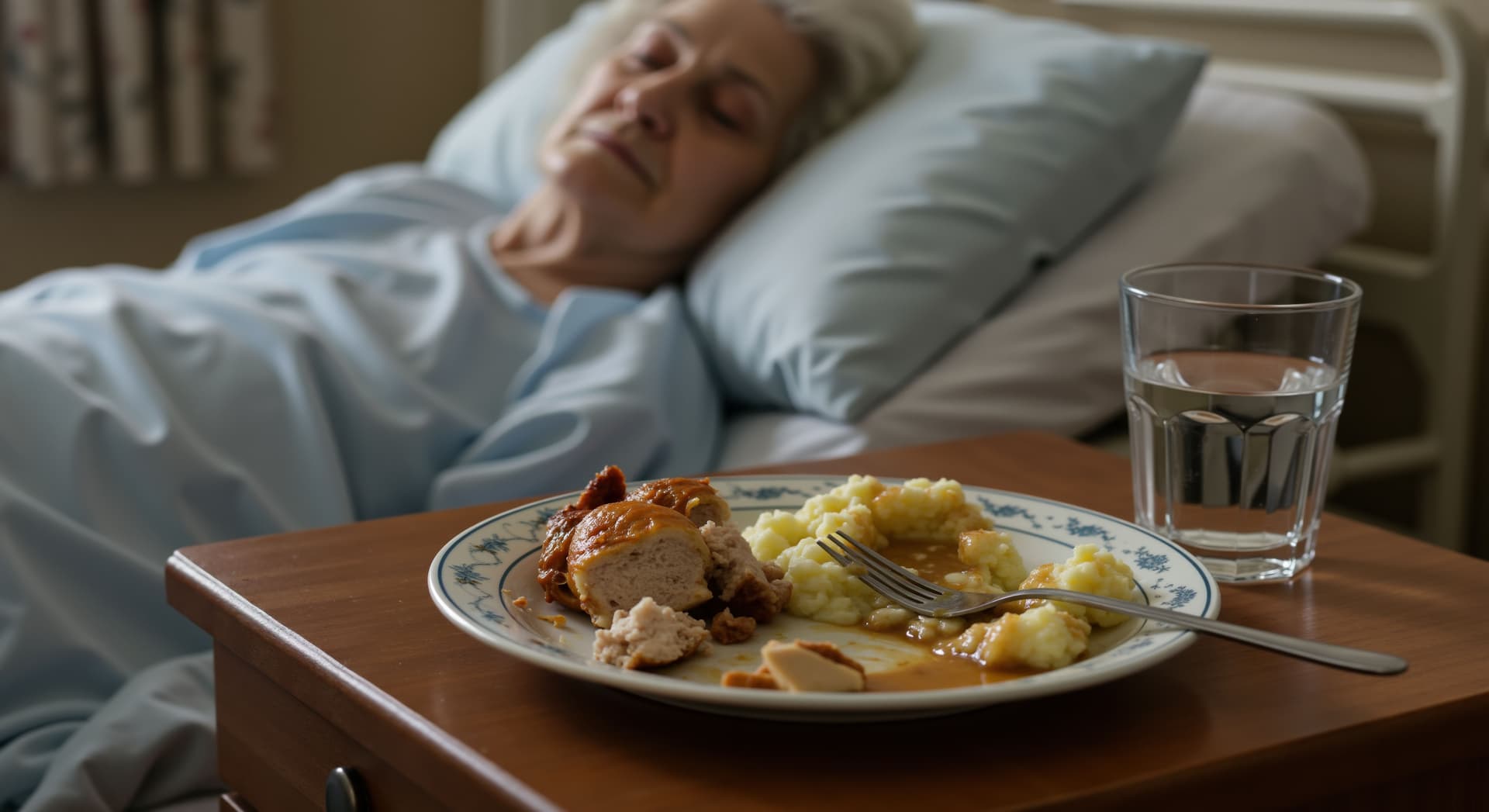
Short-staffed facilities may not have enough caregivers to help residents eat or drink. Meals go untouched, fluids are not monitored, and residents experience dangerous weight loss and dehydration.
Overworked nurses rushing through medication rounds are more likely to make mistakes, including missed doses, incorrect medications, or improper timing.
Residents who cannot reposition themselves depend on staff. Without enough caregivers, residents are left in the same position for hours, leading to pressure ulcers, infections, and severe pain.
Poor hygiene, delayed wound care, and lack of monitoring increase the risk of infections such as UTIs, pneumonia, and sepsis.
When staff are not present to supervise common areas, aggressive residents may harm others. Many assaults occur simply because no one was watching.
Residents may feel ignored, isolated, or frightened. Emotional neglect often leads to depression, anxiety, and rapid health decline.
Each of these outcomes is a foreseeable result of short staffing.
Nursing homes are not free to staff however they choose. Both federal regulations and Ohio law impose minimum staffing and care requirements.
Under 42 CFR § 483.35, facilities must:
The Ohio Administrative Code 3701-17-08 further requires facilities to:
When a nursing home ignores these obligations in favor of cost savings, it may be legally liable for resulting harm.
Families visiting loved ones should watch for red flags that suggest staffing decisions are being driven by profit rather than care.
Common warning signs include:
If these conditions are persistent, the facility may be prioritizing cost-cutting over safety.
If you believe your loved one is suffering due to short staffing, take immediate steps:
In understaffing cases, attorneys often look beyond individual caregivers and examine corporate policies and financial decisions.
Evidence may include:
When patterns show deliberate understaffing, facilities can be held accountable for negligence or reckless misconduct.
When short staffing leads to harm, families may pursue compensation for:
These cases also serve a broader purpose: forcing facilities to change dangerous staffing practices.
Attorney Michael Hill, based in Cleveland, Ohio, has extensive experience representing families harmed by profit-driven neglect in nursing homes. He understands how corporate cost-cutting decisions often remain hidden unless aggressively investigated.
Michael and his team:
Michael’s commitment is simple: ensuring that seniors are not treated as numbers on a balance sheet.
Short staffing in nursing homes is not just a staffing issue—it is often the result of profit-driven neglect that places elderly residents in danger. When facilities choose cost savings over care, the consequences are predictable and devastating.
Families have the right to demand better. If your loved one has suffered due to short staffing, Attorney Michael Hill can help uncover the truth, protect your family’s rights, and pursue justice.
Seniors deserve safe, attentive, and compassionate care. When nursing homes fail to provide it, accountability is essential.