
Nursing home abuse and neglect put vulnerable residents at serious risk, leading to malnutrition, dehydration, infections, and preventable injuries. When facilities fail to provide adequate care, residents suffer, and families are left feeling helpless. Lack of supervision, improper medical treatment, and unsafe conditions can result in devastating harm. Understanding the warning signs, knowing your legal rights, and holding negligent facilities accountable are crucial steps in protecting your loved ones. Learn how to take action and seek justice.
January 28, 2026
3 min
Placing a loved one in a nursing home is an act of trust. Families rely on these facilities to provide safety, dignity, and proper care for elderly residents who may no longer be able to protect themselves. At Michael Hill Trial Law, we have seen firsthand how devastating it is when that trust is broken through abuse or neglect.
Elder abuse in nursing homes is a serious and often hidden problem, affecting thousands of residents across Ohio and the United States each year. Many cases go unreported because victims are afraid, unable to communicate, or unaware that what they are experiencing is abuse. Understanding how to recognize the warning signs and knowing how to report abuse properly are critical steps in protecting vulnerable seniors.
Elder abuse occurs when a nursing home resident is harmed, mistreated, or neglected by caregivers, staff members, or even other residents. Abuse can take many forms, and it is not always physical or obvious.
Common types of elder abuse in nursing homes include:
Even a single incident may be enough to cause serious physical or emotional harm, especially for frail or cognitively impaired residents.
One of the most troubling aspects of nursing home abuse is how easily it can be hidden. Many residents are reluctant or unable to report what is happening to them.
Some common reasons abuse goes unreported include:
This is why families play such a crucial role in recognizing changes and advocating for their loved ones.
Physical abuse is one of the most recognizable forms of elder abuse, but it is still frequently overlooked or explained away by facilities.
Red flags may include:
While accidents do happen, patterns of injury or poorly explained harm should never be ignored.
Emotional abuse does not leave visible marks, but it can be just as damaging — and sometimes even more so — than physical harm.
Watch for changes such as:
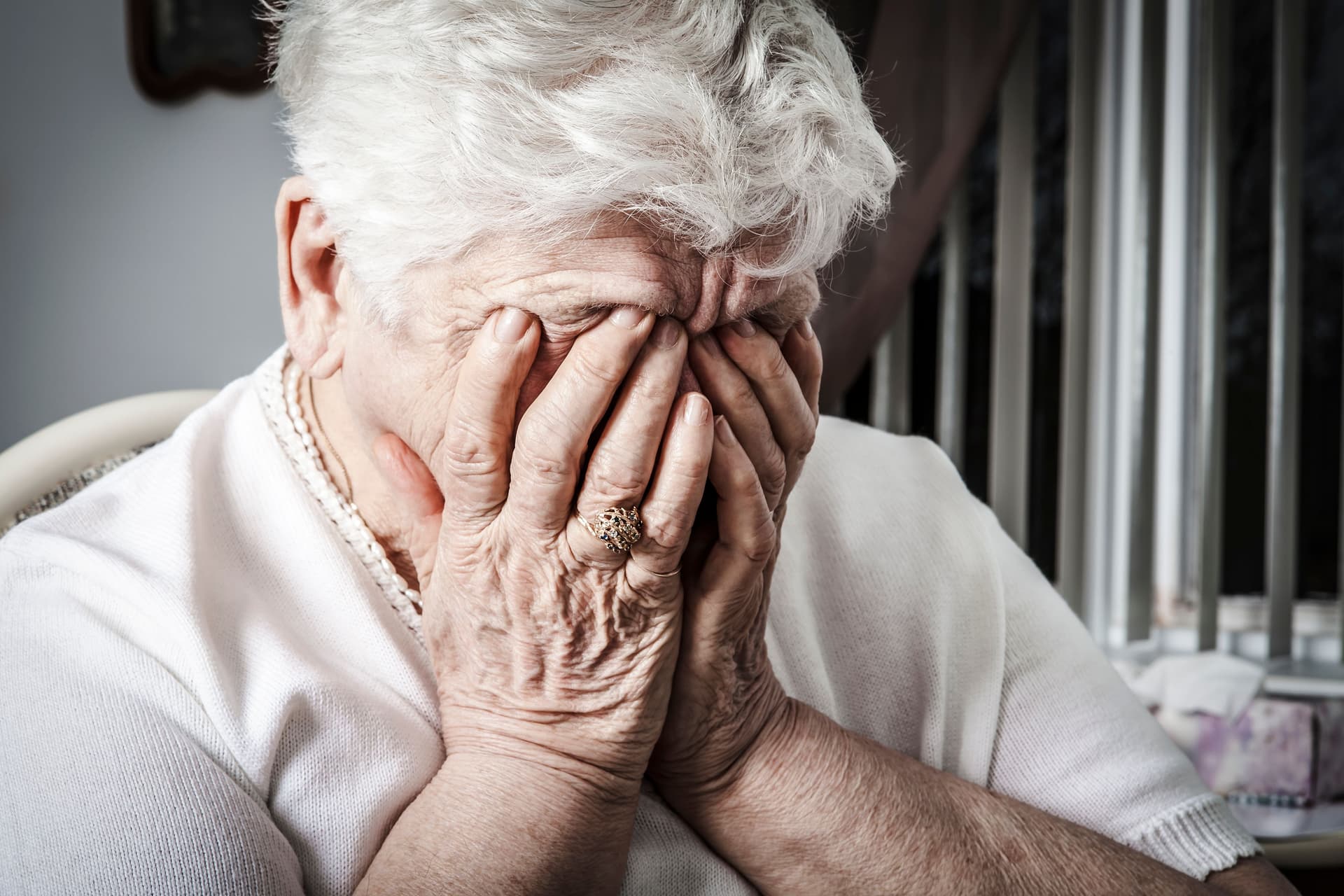
These behavioral shifts are often dismissed as “normal aging,” but they may be indicators of ongoing mistreatment.
Neglect is one of the most common forms of elder abuse and often results from understaffing or poor facility management.
Signs of neglect may include:
Neglect can be just as dangerous as direct abuse, leading to infections, hospitalizations, and even premature death.
If you suspect that your loved one is being abused or neglected in a nursing home, it is important to act quickly and decisively.
Steps to take include:
Reporting abuse not only helps protect your family member, but may also prevent harm to other residents.
Both Ohio and federal laws provide strong protections for nursing home residents. Seniors have the right to:
When a facility violates these rights, it may be held legally accountable through a civil claim.
While reporting abuse is essential, it is not always enough. In many cases, families choose to pursue legal action to uncover the full truth and hold negligent facilities accountable.
Legal action may help:
An experienced nursing home abuse attorney can help families understand their options and guide them through the process.
At Michael Hill Trial Law, we are committed to protecting elderly residents who cannot protect themselves. We understand how painful it is to realize that a loved one may have been mistreated in a place meant to keep them safe.
Our firm focuses on cases involving nursing home abuse and neglect, helping families investigate misconduct, gather evidence, and pursue justice when facilities fail in their duty of care.
We believe nursing homes must be held accountable when they put profits ahead of people — and we work tirelessly to advocate for the rights and dignity of seniors.
Elder abuse thrives in silence. By staying informed, remaining vigilant, and taking action when something feels wrong, families can play a powerful role in protecting their loved ones.
If you suspect abuse or neglect in a nursing home, do not ignore the warning signs.
Michael Hill Trial Law stands ready to help families in Ohio and across the United States protect elderly residents and seek accountability when harm occurs.
Contact Michael Hill Trial Law to learn how they can help you take the next step toward justice and safer care.