Nursing home abuse and neglect put vulnerable residents at serious risk, leading to malnutrition, dehydration, infections, and preventable injuries. When facilities fail to provide adequate care, residents suffer, and families are left feeling helpless. Lack of supervision, improper medical treatment, and unsafe conditions can result in devastating harm. Understanding the warning signs, knowing your legal rights, and holding negligent facilities accountable are crucial steps in protecting your loved ones. Learn how to take action and seek justice.
December 12, 2025
3 min
Nursing homes exist to provide vulnerable elderly residents with the care, supervision, and support they need. Yet one of the most widespread and dangerous problems facing facilities across Ohio and the United States is chronic understaffing.
When a nursing home does not have enough qualified employees to meet residents’ needs, neglect becomes unavoidable. Staff become overwhelmed, tasks are rushed or skipped, and residents are left without essential care. Understaffing is not just a business problem—it is a safety crisis that endangers lives.
Families may notice subtle changes at first: slower responses to call lights, caregivers appearing stressed, or residents looking unkempt. But behind the scenes, understaffing often leads to falls, medical errors, infections, malnutrition, and avoidable death.
This article explains why understaffing happens, how it harms residents, what the law requires, and what families can do when a nursing home is not providing adequate care.
Understaffing occurs when there are not enough caregivers—nurses, aides, and support staff—to safely meet the needs of all residents.
A nursing home may be understaffed when:
Some facilities intentionally staff at minimal levels to cut costs. Others struggle with high turnover, burnout, or poor management. Regardless of the cause, understaffing violates care standards and places residents in harm’s way.
Understaffing is directly linked to some of the most severe forms of nursing home neglect. When there are too few hands available, every aspect of resident care suffers.
Falls are one of the leading causes of severe injuries in nursing homes. Understaffed facilities cannot provide:
Residents attempt to move on their own and suffer fractures, head injuries, and long-term disability.
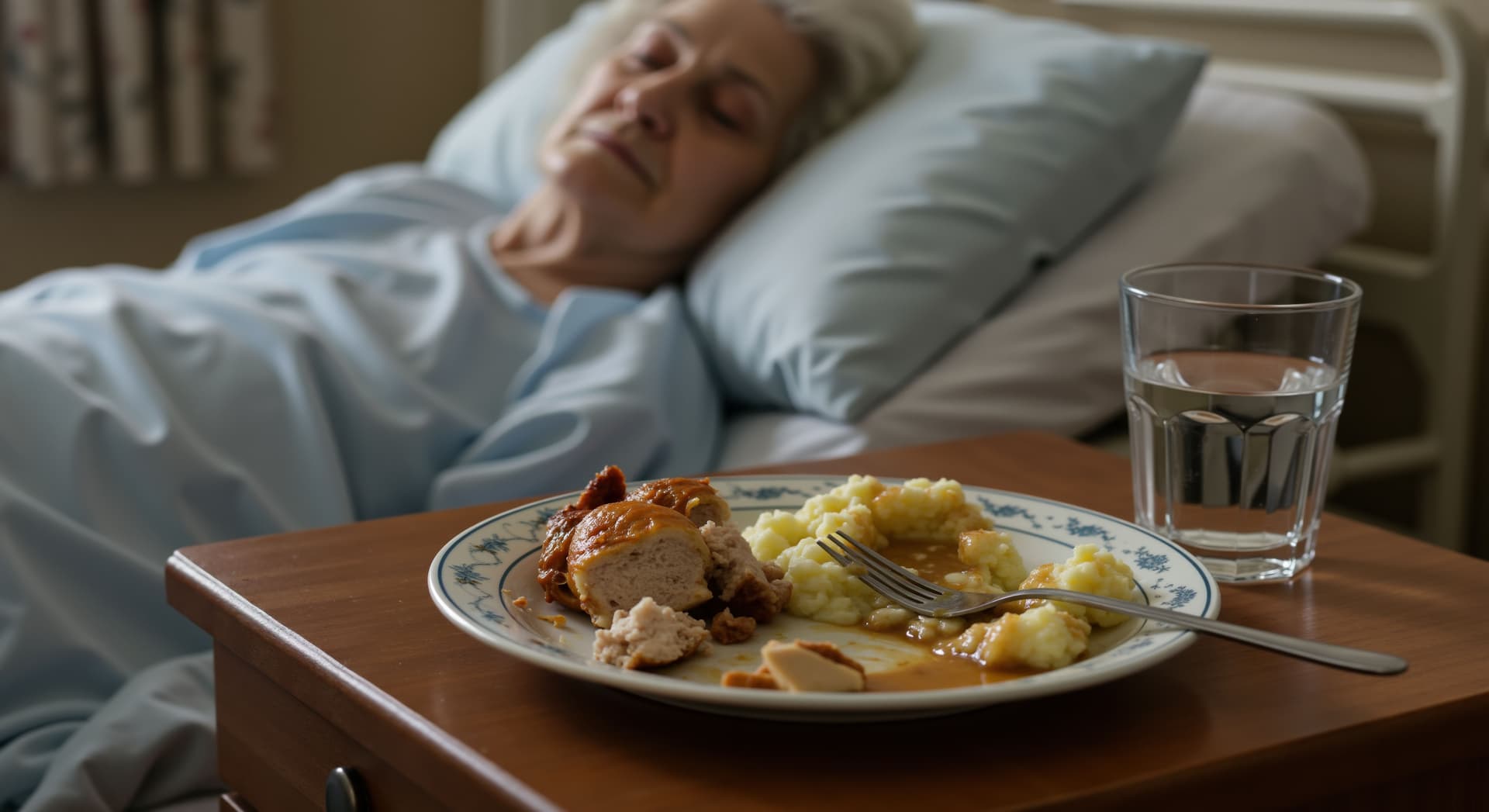
When staff do not have time to help residents eat or drink, meals get skipped, trays go untouched, and fluids are not monitored. This can lead to:
Malnutrition is one of the clearest indicators of systemic neglect.
Understaffed nursing homes often rush medication passes or rely on overworked nurses. Errors include:
Medication errors can be fatal, especially for residents with chronic illnesses.
Bedsores occur when residents who cannot reposition themselves are left in the same position for hours. Without enough staff:
Advanced pressure ulcers are painful, dangerous, and entirely preventable.
Understaffed facilities may struggle with:
This can lead to urinary tract infections, sepsis, pneumonia, and other life-threatening illnesses.
When staff are not present to supervise common areas, aggressive residents may harm vulnerable ones. Many violent incidents happen because no staff were nearby to intervene.
Residents may experience:
Emotional well-being is just as important as physical health.
Understanding the root causes can help families recognize patterns of neglect.
Some facilities deliberately understaff to save money, prioritizing profit over resident care.
Nursing assistants experience some of the highest burnout rates of any healthcare profession due to demanding workloads and low pay.
Disorganized or inexperienced leadership often leads to scheduling gaps and lack of accountability.
Without proper training, staff work inefficiently and require extra time, worsening the shortage.
Modern nursing homes care for residents with more complex medical issues than ever before—yet staffing levels often remain unchanged.
These systemic issues reflect negligence at the administrative level, not isolated mistakes by individual caregivers.
Under federal law (42 CFR § 483.35), nursing homes must have:
The Ohio Administrative Code (OAC 3701-17-08) requires facilities to:
Failure to meet these obligations can result in citations, fines, and civil liability.
Families visiting nursing homes should look for:
Any combination of these signs may indicate chronic staffing shortages.
Record dates, times, photographs, and interactions with staff.
Facilities must provide staffing schedules upon request.
Contact:
If safety is at risk, relocation may be necessary.
Understaffing often leads to preventable injuries—and legal accountability.
Legal investigations focus on:
Patterns of chronic understaffing can strongly support a negligence claim.
Families may pursue compensation for:
Justice not only compensates victims but also forces facilities to improve care.
Attorney Michael Hill, based in Cleveland, Ohio, has extensive experience uncovering understaffing in nursing homes and proving how it directly leads to resident harm.
Michael and his team:
His mission is to ensure that no resident suffers because a facility chose profit over people.
Understaffing is one of the most dangerous and pervasive forms of nursing home neglect. When there are not enough caregivers to meet residents’ basic needs, the results are predictable—and devastating.
If your loved one has been injured or harmed in a nursing home that appears understaffed, Attorney Michael Hill can help your family uncover the truth, protect your loved one’s rights, and pursue justice.
Every resident deserves adequate care, supervision, and dignity. Anything less is neglect.