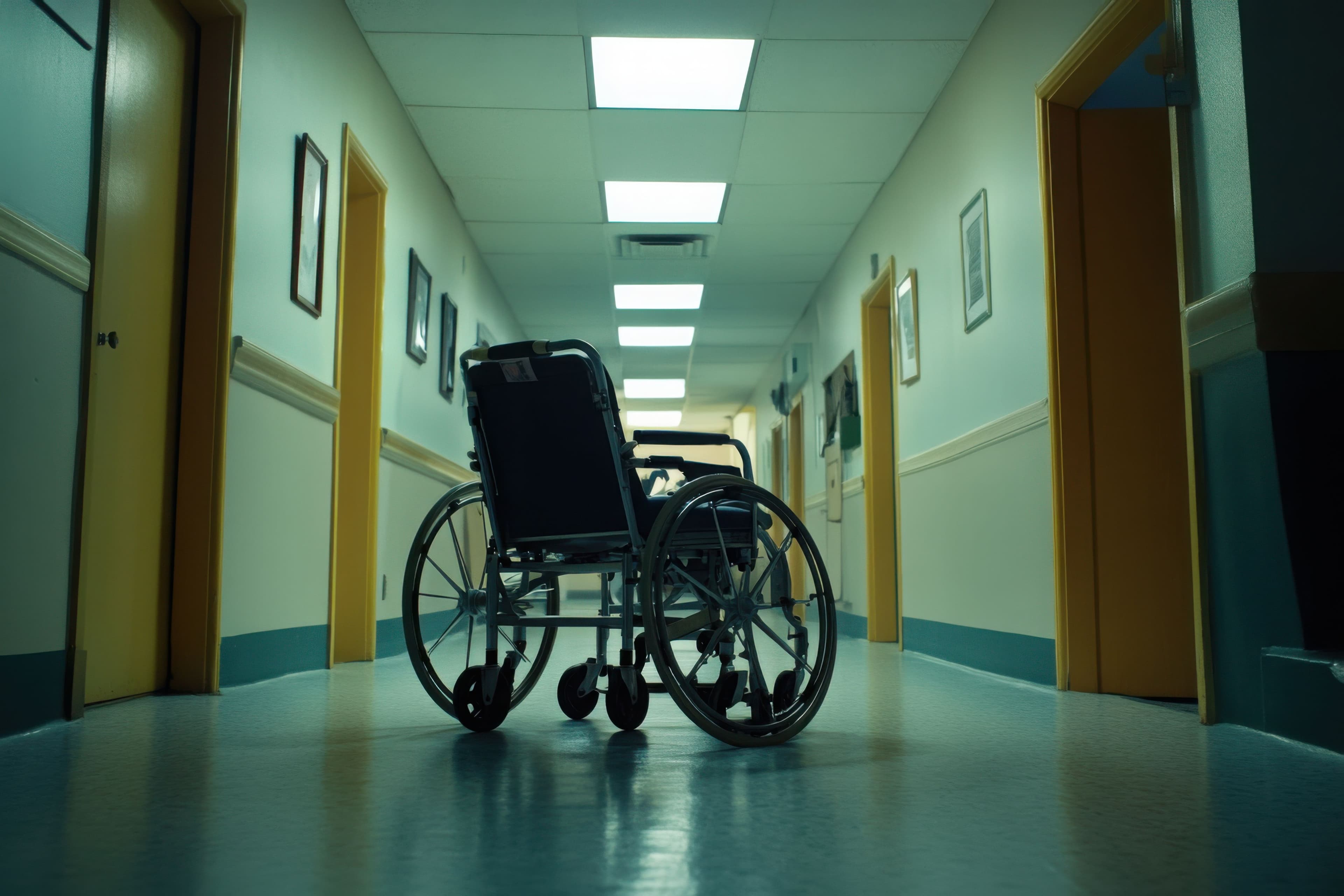
Nursing home abuse and neglect put vulnerable residents at serious risk, leading to malnutrition, dehydration, infections, and preventable injuries. When facilities fail to provide adequate care, residents suffer, and families are left feeling helpless. Lack of supervision, improper medical treatment, and unsafe conditions can result in devastating harm. Understanding the warning signs, knowing your legal rights, and holding negligent facilities accountable are crucial steps in protecting your loved ones. Learn how to take action and seek justice.
February 26, 2026
3 min
When families entrust a nursing home with the care of a loved one, they expect adequate staffing to ensure safety, hygiene, medical attention, and dignity. Unfortunately, chronic understaffing remains one of the most significant — and least visible — causes of elder neglect. At Michael Hill Trial Law, we often uncover patterns of insufficient staffing behind cases involving falls, bedsores, infections, and medication errors.
Understaffing is not just an administrative issue. It can directly impact whether residents receive timely assistance with mobility, nutrition, hygiene, and medical monitoring. When facilities cut corners on staffing, vulnerable seniors may suffer the consequences.
Understanding how understaffing contributes to neglect — and when it may create legal liability — is critical for families seeking answers.
Understaffing occurs when there are not enough qualified staff members on duty to meet residents’ needs safely and effectively. This can involve:
Even if a facility technically meets minimum regulatory numbers, staffing may still be inadequate for the acuity level of its residents.
When staff members are responsible for too many residents, essential tasks may be delayed or skipped entirely.
Common consequences include:
Neglect often develops gradually — until a serious injury exposes the underlying problem.
Families may notice subtle indicators long before the facility acknowledges a staffing issue.
Red flags may include:
When these signs persist, they may indicate systemic understaffing.
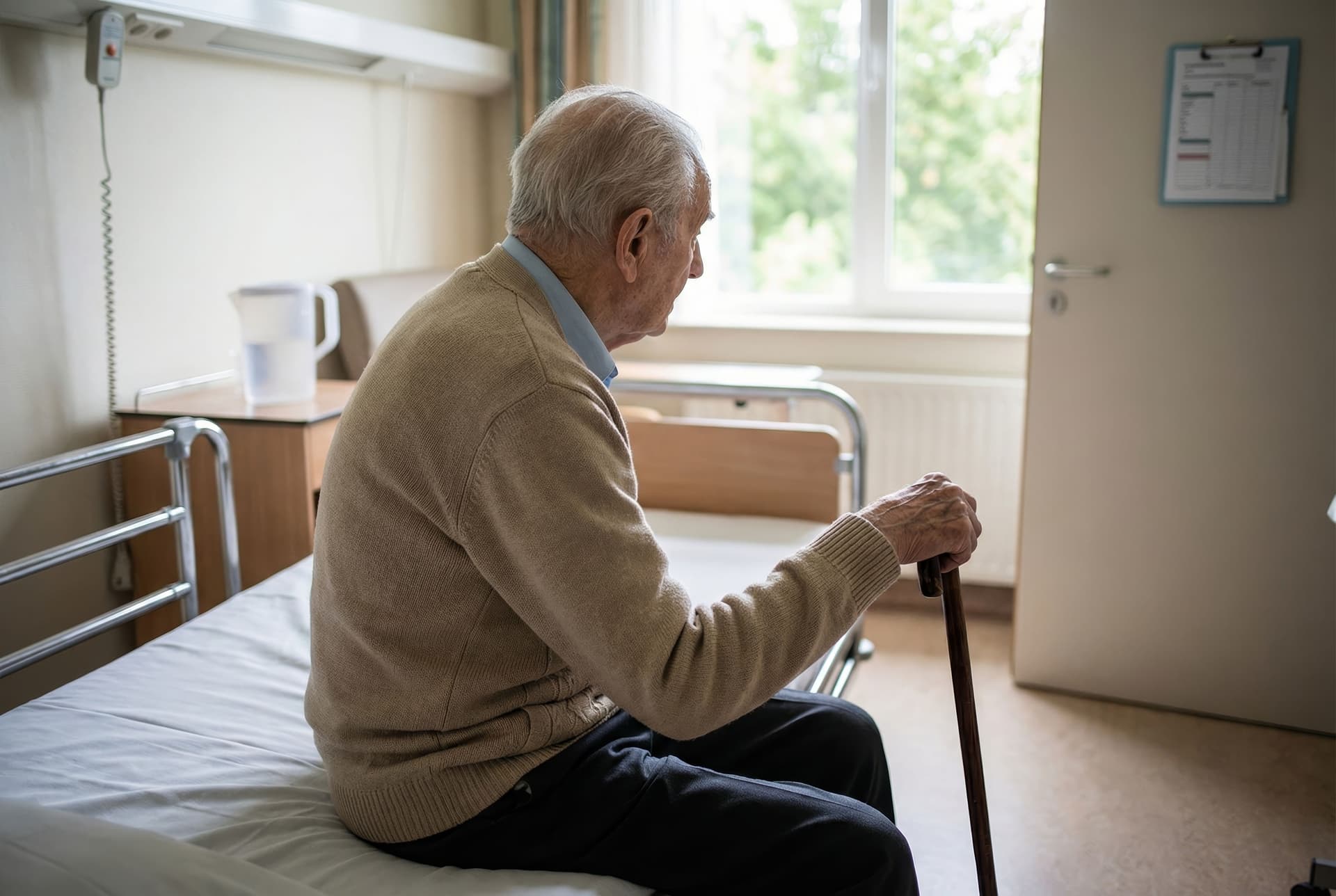
Many nursing home injuries can be traced back to insufficient staffing levels.
Understaffing is frequently linked to:
When residents do not receive consistent attention, preventable harm becomes more likely.
In many cases, understaffing is driven by financial decisions rather than necessity. Labor is one of the largest expenses for nursing homes, and reducing staff can increase profit margins.
Contributing factors may include:
When profit is prioritized over care, residents are placed at risk.
Nursing homes in Ohio must comply with state and federal regulations regarding staffing levels and qualifications. These rules are intended to ensure that residents receive appropriate care.
Facilities are generally required to:
However, meeting minimum requirements does not always guarantee safe care. Facilities must provide staffing adequate for actual resident needs.
Regulatory inspections often identify deficiencies related to inadequate staffing. These reports can provide insight into patterns of neglect.
Inspection findings may include:
Families researching a facility should review publicly available inspection records whenever possible.
Understaffing may give rise to a negligence claim when it leads directly to a resident’s injury or decline.
A facility may be legally responsible if:
Under Ohio law, nursing homes owe residents a duty of reasonable care. Chronic understaffing that results in preventable harm may constitute a breach of that duty.
If you believe your loved one’s care is being compromised due to insufficient staffing, taking proactive steps is important.
Recommended actions include:
Early intervention may prevent further harm.
At Michael Hill Trial Law, we recognize that many cases of elder neglect are not isolated incidents, but symptoms of systemic failures such as chronic understaffing. Our firm focuses on protecting elderly residents who have suffered preventable injuries due to inadequate supervision and care.
We investigate staffing practices, review regulatory findings, and work to hold facilities accountable when financial decisions compromise resident safety.
Nursing homes cannot provide safe and compassionate care without sufficient, well-trained staff. When facilities operate with inadequate staffing, residents’ health and dignity may be placed at risk.
If your loved one has suffered harm that may be linked to understaffing, understanding your legal options is an important step toward accountability.
Michael Hill Trial Law is dedicated to protecting elderly residents and supporting families throughout Ohio and across the United States.
Contact Michael Hill Trial Law to learn how the firm can help you pursue accountability and safer nursing home care.