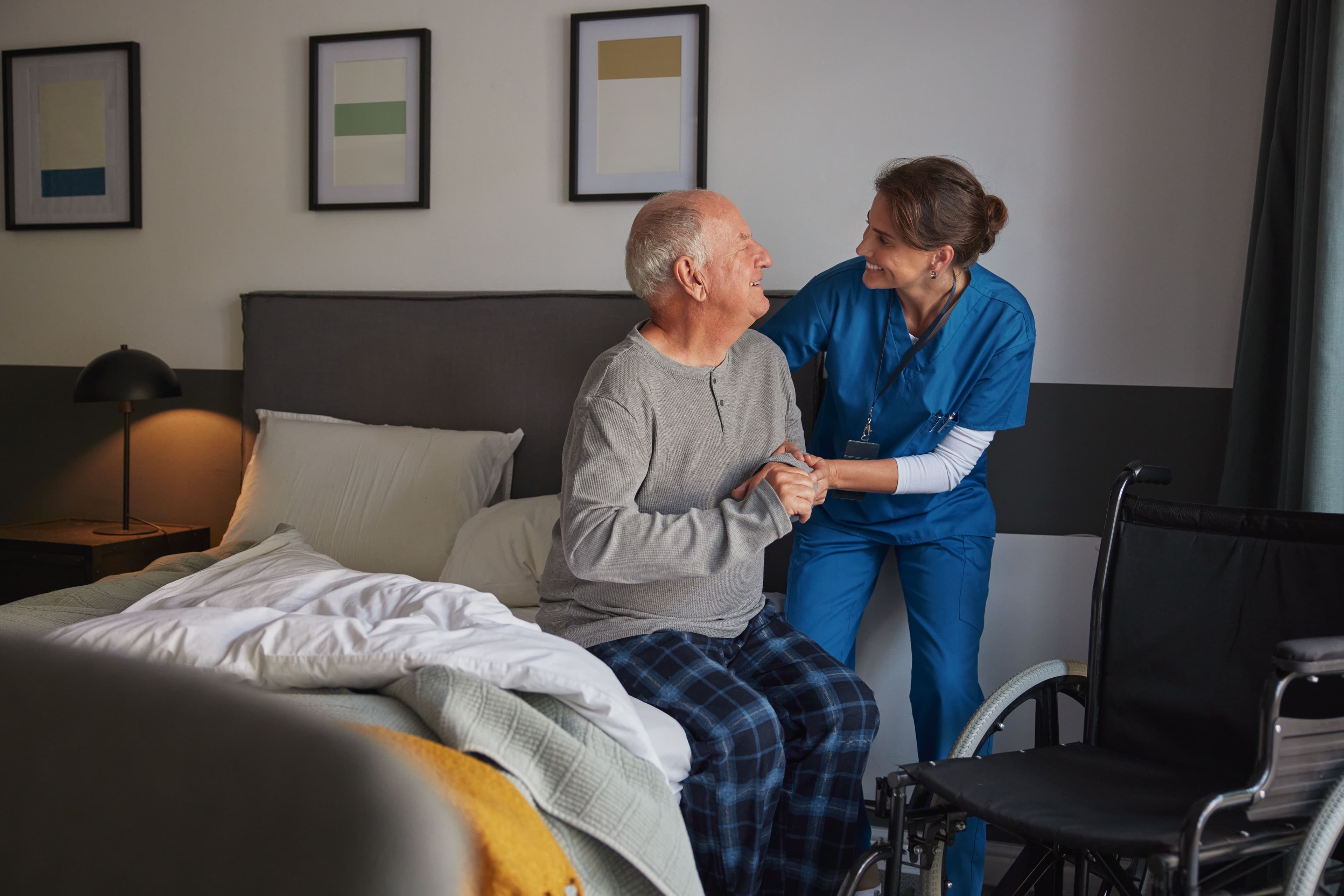
Nursing home abuse and neglect put vulnerable residents at serious risk, leading to malnutrition, dehydration, infections, and preventable injuries. When facilities fail to provide adequate care, residents suffer, and families are left feeling helpless. Lack of supervision, improper medical treatment, and unsafe conditions can result in devastating harm. Understanding the warning signs, knowing your legal rights, and holding negligent facilities accountable are crucial steps in protecting your loved ones. Learn how to take action and seek justice.
January 23, 2026
3 min
Every day in nursing homes, residents are transferred from beds to wheelchairs, from chairs to toilets, and from stretchers to beds. These movements may seem routine, but for elderly residents, transfers are one of the most dangerous moments of daily care. When performed incorrectly, transfers can result in severe injuries that permanently change a senior’s life.
Across Ohio and the United States, countless nursing home residents suffer fractures, head injuries, spinal damage, and soft-tissue injuries due to unsafe transfers and improper lifting techniques. These incidents are rarely unavoidable. In most cases, they are the result of understaffing, lack of training, or failure to use proper equipment.
Understanding how transfer-related injuries happen—and when they constitute neglect—is essential for families seeking to protect their loved ones.
A transfer occurs anytime a resident is moved from one position or surface to another. Common transfers include:
For elderly residents with limited mobility, muscle weakness, balance issues, or cognitive impairment, these movements carry significant risk. Even a small mistake can cause a fall or sudden impact.
Transfers are especially dangerous when residents:
This is why nursing homes must follow strict safety protocols during every transfer.
Improper lifting or transfers can cause devastating injuries, including:
For many seniors, a transfer-related injury leads to hospitalization, surgery, long-term disability, or premature death.
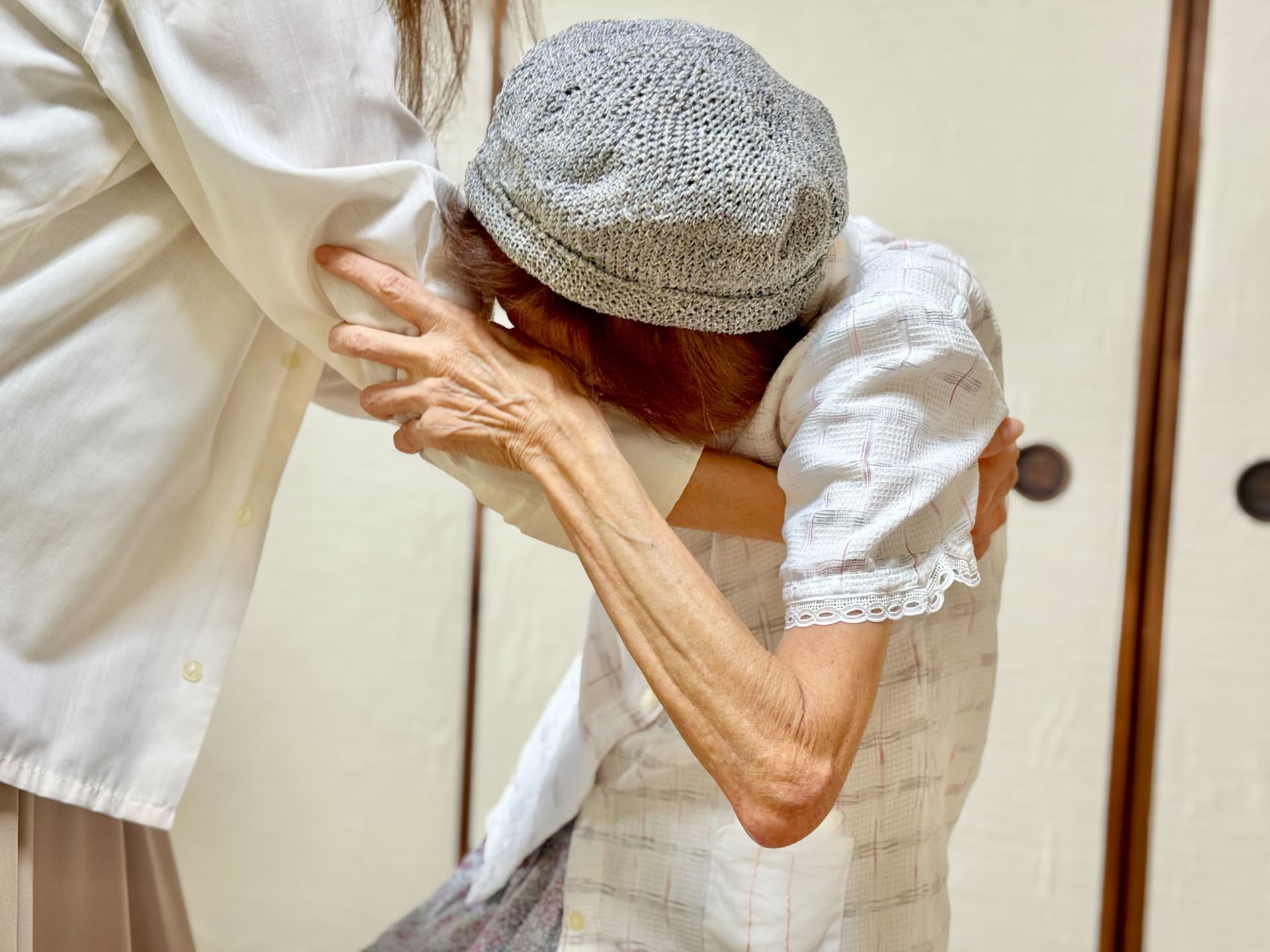
Unsafe transfers are rarely isolated accidents. They usually reflect broader failures in care.
Many transfers require two or more caregivers. When facilities are short-staffed, aides may attempt to move residents alone, dramatically increasing the risk of injury.
Staff who are not properly trained in body mechanics and transfer techniques may lift residents incorrectly or fail to stabilize them.
Mechanical lifts, gait belts, and slide boards exist to protect both residents and staff. When facilities fail to provide or use this equipment, injuries become far more likely.
Residents’ care plans often specify how transfers should be performed. Ignoring these instructions is a clear sign of neglect.
When staff are pressured to work quickly, safety steps are skipped, increasing the risk of falls and injuries.
Each of these failures is preventable and often tied to management decisions rather than unavoidable circumstances.
Certain residents require heightened precautions during transfers.
High-risk residents include those who:
For these residents, unsafe transfers can be catastrophic.
Nursing homes are legally obligated to protect residents from avoidable injuries, including those caused by unsafe transfers.
Under federal law (42 CFR § 483.25), facilities must provide adequate supervision and assistance to prevent accidents.
The Ohio Administrative Code (OAC 3701-17) requires nursing homes to:
Failure to comply with these standards may result in citations, fines, and civil liability.
Families should be alert to red flags that indicate unsafe lifting or transfer practices.
Warning signs include:
Any injury during a transfer deserves close scrutiny.
If your loved one is injured during a transfer, immediate action is critical.
Ensure injuries are properly diagnosed and documented by an outside medical provider.
Take photos of injuries and note when, where, and how the injury occurred.
Ask for incident reports, care plans, staffing schedules, and training records.
In Ohio, contact:
Legal guidance can help determine whether negligence caused the injury.
Legal claims often focus on whether:
Evidence may include medical records, incident reports, staffing logs, training documentation, surveillance footage, and expert testimony.
Families may pursue compensation for:
Legal action also helps push facilities to adopt safer transfer practices.
Attorney Michael Hill, based in Cleveland, Ohio, has extensive experience representing families whose loved ones were injured due to unsafe transfers and improper lifting in nursing homes.
Michael and his team:
Michael understands that no resident should be injured while simply being moved from one place to another.
Unsafe transfers and improper lifting are a hidden but serious cause of elder injuries in nursing homes. These injuries are not inevitable—they are often the result of understaffing, poor training, and ignored safety rules.
Families have the right to demand safe care. If your loved one was injured during a transfer, Attorney Michael Hill can help uncover the truth and pursue justice.
Seniors deserve careful, respectful handling—every time, without exception.