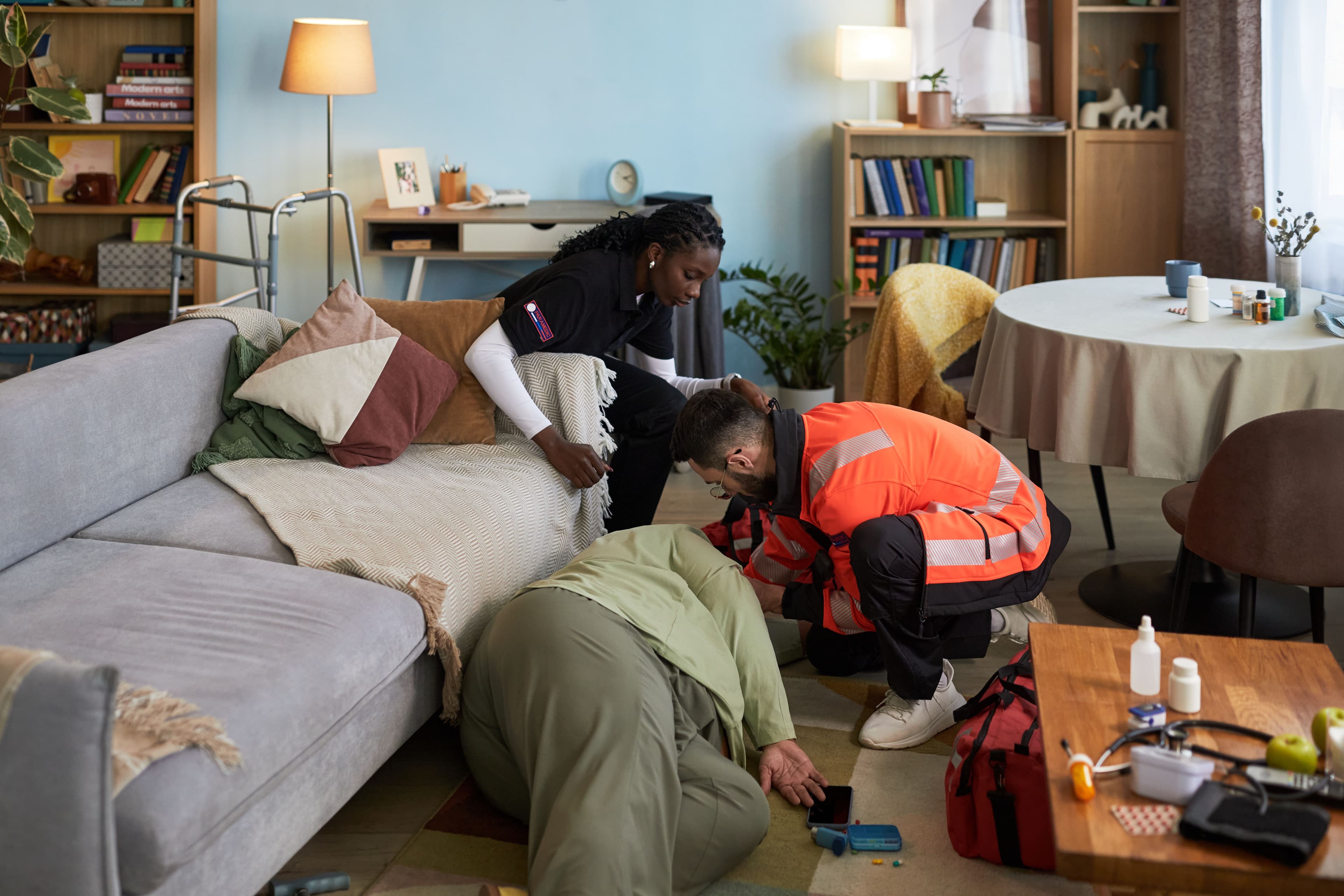
Nursing home abuse and neglect put vulnerable residents at serious risk, leading to malnutrition, dehydration, infections, and preventable injuries. When facilities fail to provide adequate care, residents suffer, and families are left feeling helpless. Lack of supervision, improper medical treatment, and unsafe conditions can result in devastating harm. Understanding the warning signs, knowing your legal rights, and holding negligent facilities accountable are crucial steps in protecting your loved ones. Learn how to take action and seek justice.
January 28, 2026
3 min
Falls are one of the most common — and most dangerous — incidents affecting elderly residents in nursing homes. At Michael Hill Trial Law, we regularly speak with families who are shocked to learn that a fall their loved one suffered was not simply an “accident,” but a preventable event caused by negligence, understaffing, or poor safety practices.
For seniors, even a single fall can lead to life-altering consequences, including broken hips, head injuries, permanent loss of mobility, or a rapid decline in overall health. Understanding what to do after a fall, and knowing when a nursing home may be legally responsible, can make a critical difference for your loved one’s recovery and protection.
Nursing home residents are often at a higher risk of falling due to age-related conditions, mobility limitations, and medical needs. However, high fall rates are not inevitable — they are often a sign of deeper problems within a facility.
Some of the most common contributors to nursing home falls include:
When nursing homes fail to address these risks, they may be placing residents in danger — and potentially violating their legal duty of care.
For elderly individuals, falls are rarely minor. Even a short fall can result in serious, sometimes irreversible harm.
Common fall-related injuries include:
In many cases, a fall marks a turning point in an elderly person’s health, leading to emotional distress, depression, or accelerated cognitive decline.
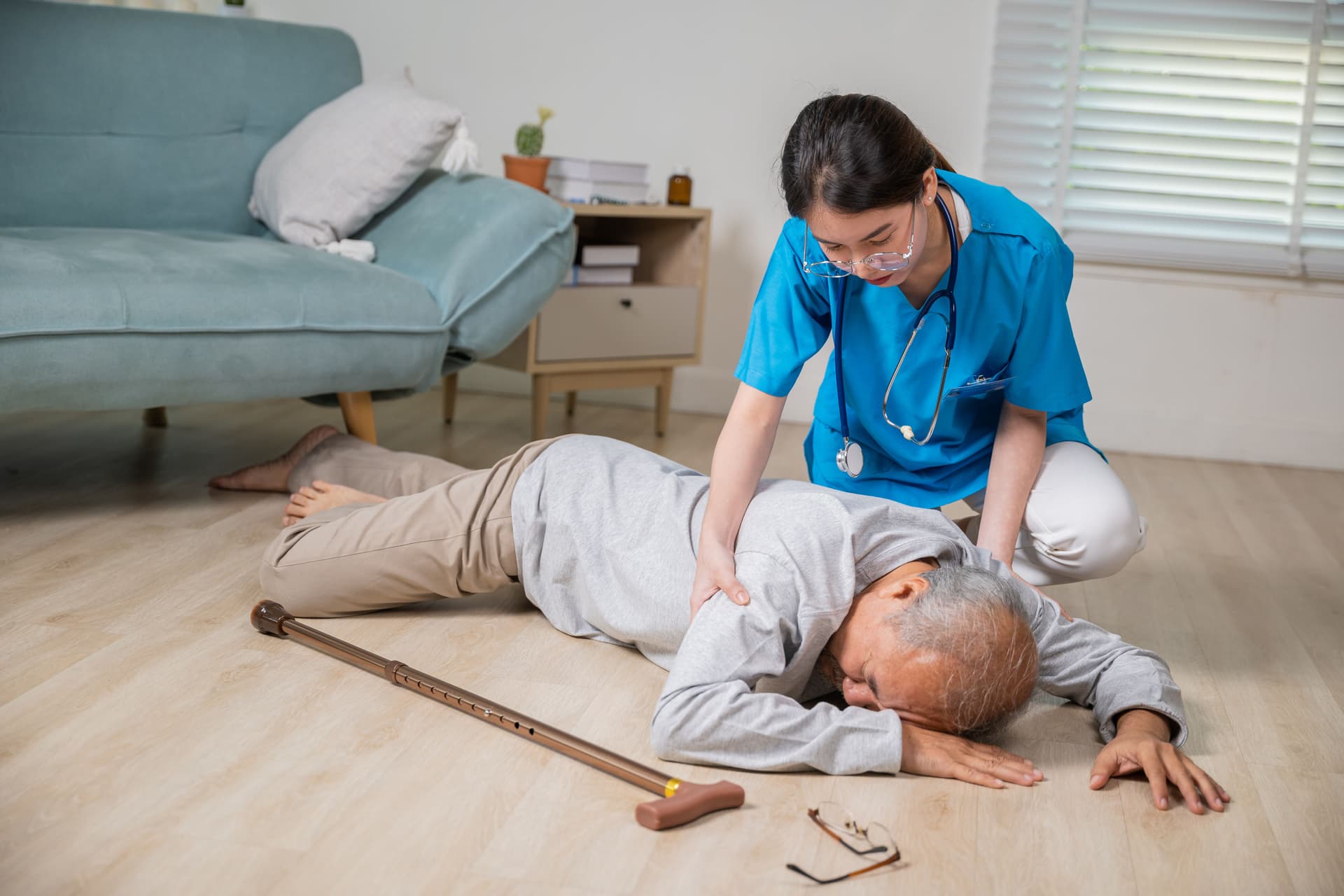
If your loved one has fallen in a nursing home, the actions you take early on can significantly impact both their health and any future legal claim.
Here’s what families should do as soon as possible:
Taking these steps not only protects your loved one’s health, but also preserves evidence if legal action becomes necessary.
Not every fall automatically means negligence occurred. However, nursing homes can be held legally accountable when a fall happens because they failed to meet accepted standards of care.
A nursing home may be liable if it:
In Ohio, nursing homes are required to take reasonable steps to protect residents from foreseeable harm. When they fail to do so, they may be responsible for the injuries that result.
Ohio law provides important protections for nursing home residents. Facilities are regulated by both state agencies and federal standards, including rules that require:
Additionally, Ohio recognizes that elderly residents have specific rights to dignity, safety, and appropriate care. When these rights are violated, families may have grounds to pursue a civil claim against the facility.
Importantly, nursing homes cannot simply dismiss a fall as “unavoidable” without proving they took appropriate preventive measures.
Unfortunately, many families encounter resistance after a fall occurs. Nursing homes may attempt to:
This is why it is so important to act quickly and independently. Having legal guidance can help ensure that your loved one’s rights are protected and that the facility is held accountable if negligence played a role.
At Michael Hill Trial Law, we understand how overwhelming it can be to discover that a loved one was injured while under professional care. Families often feel guilt, anger, and confusion — and nursing homes do not always make the process transparent or easy.
Our firm focuses on cases involving elder neglect and nursing home negligence, helping families investigate what truly happened, identify violations of care standards, and pursue justice when preventable harm occurs.
We work to ensure that nursing homes are not allowed to cut corners at the expense of vulnerable residents — and that families receive clear answers and strong advocacy.
A fall in a nursing home is never something to ignore. Even if injuries appear minor at first, the long-term consequences can be devastating for seniors and their families.
If you suspect that a fall was caused by negligence, understaffing, or unsafe conditions, it is important to understand your legal options and act promptly.
Michael Hill Trial Law is committed to protecting elderly residents in Ohio and across the United States. If your loved one has suffered a fall in a nursing home, the firm can help you explore your options and take steps toward accountability and safer care.
Reach out to Michael Hill Trial Law to learn how they can help protect your family and stand up for the rights of nursing home residents.