Nursing home abuse and neglect put vulnerable residents at serious risk, leading to malnutrition, dehydration, infections, and preventable injuries. When facilities fail to provide adequate care, residents suffer, and families are left feeling helpless. Lack of supervision, improper medical treatment, and unsafe conditions can result in devastating harm. Understanding the warning signs, knowing your legal rights, and holding negligent facilities accountable are crucial steps in protecting your loved ones. Learn how to take action and seek justice.
January 28, 2026
3 min
When families place a loved one in a nursing home, they expect professional medical care, proper supervision, and timely treatment. Unfortunately, medical negligence in nursing homes is far more common than many people realize. At Michael Hill Trial Law, we regularly assist families who discover that serious injuries or worsening health conditions could have been prevented with proper care.
Medical negligence in a nursing home setting can take many forms — from medication errors to delayed diagnoses or failure to respond to medical emergencies. Understanding who is legally responsible is a crucial step for families seeking answers, accountability, and justice for their loved ones.
Medical negligence occurs when a healthcare provider fails to meet the accepted standard of care, resulting in harm to a patient. In nursing homes, this negligence often affects elderly residents who rely entirely on staff for their medical needs.
Common examples of medical negligence in nursing homes include:
Because elderly residents are especially vulnerable, even small mistakes can lead to catastrophic consequences.
Older adults often have multiple medical conditions, weaker immune systems, and limited ability to communicate symptoms clearly. As a result, negligence in a nursing home can cause rapid and irreversible decline.
Medical negligence may lead to:
What makes these cases particularly troubling is that residents are harmed while under the care of professionals who are legally obligated to protect them.
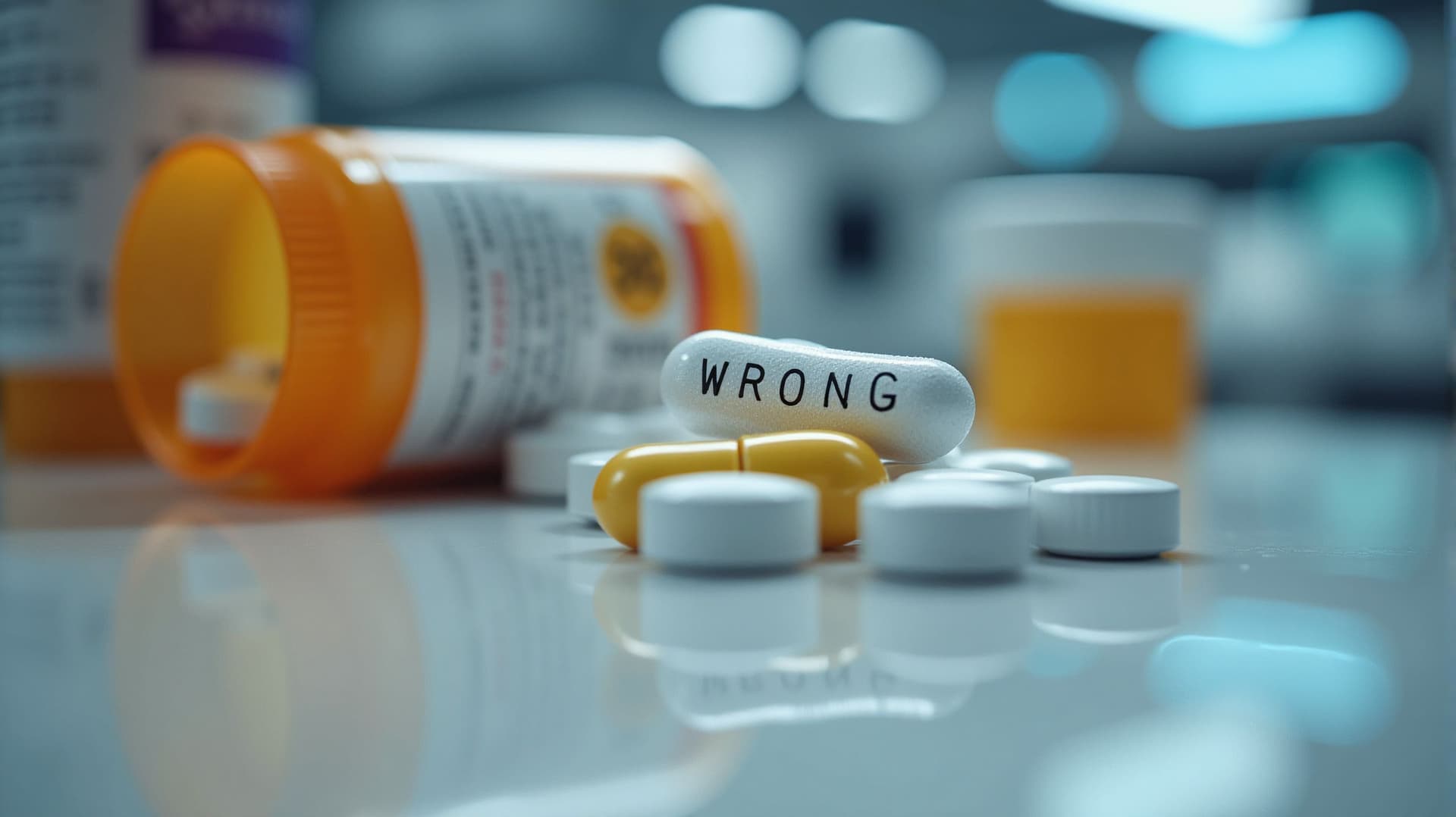
One of the most common questions families ask is who can actually be held accountable when medical negligence occurs in a nursing home. The answer depends on the specific circumstances of the case.
Potentially responsible parties may include:
In many cases, multiple parties may share responsibility for the harm caused.
Nursing homes often attempt to shift blame onto individual staff members. However, facilities can still be held liable if negligence occurred due to systemic failures.
Examples of facility-level negligence include:
Under Ohio law, nursing homes have a duty to ensure that residents receive appropriate medical care — regardless of whether services are provided directly or through contracted providers.
Ohio law recognizes the heightened duty of care owed to elderly nursing home residents. Facilities must comply with state regulations and federal standards designed to protect resident health and safety.
These laws require nursing homes to:
When nursing homes violate these obligations, they may face civil liability for resulting injuries.
Families are often the first to notice signs that something is wrong. Warning signs of medical negligence may include:
If these issues appear without a clear explanation, further investigation may be necessary.
Unfortunately, nursing homes may attempt to conceal or downplay medical negligence. Families may encounter:
These tactics make it even more important for families to seek independent guidance and protect their loved one’s rights.
Pursuing legal action after medical negligence is not only about compensation — it is also about accountability and prevention.
Legal action may help families:
An experienced nursing home negligence attorney can help evaluate the case, gather evidence, and determine who should be held liable.
At Michael Hill Trial Law, we are dedicated to protecting seniors who suffer harm due to medical negligence in nursing homes. We understand the emotional toll these situations take on families and the frustration of dealing with facilities that refuse to accept responsibility.
Our firm focuses on cases involving elder neglect, abuse, and medical negligence, working to ensure that nursing homes and medical providers are held accountable when they fail to meet their legal obligations.
We believe elderly residents deserve safe, attentive, and competent medical care — and we fight to protect that right.
Medical negligence in a nursing home should never be ignored. When preventable harm occurs, families deserve answers and a path forward.
If your loved one has suffered due to medical negligence in a nursing home, understanding your legal options is essential.
Michael Hill Trial Law is committed to protecting elderly residents in Ohio and across the United States.
Contact Michael Hill Trial Law to learn how they can help your family pursue accountability and safer care for nursing home residents.