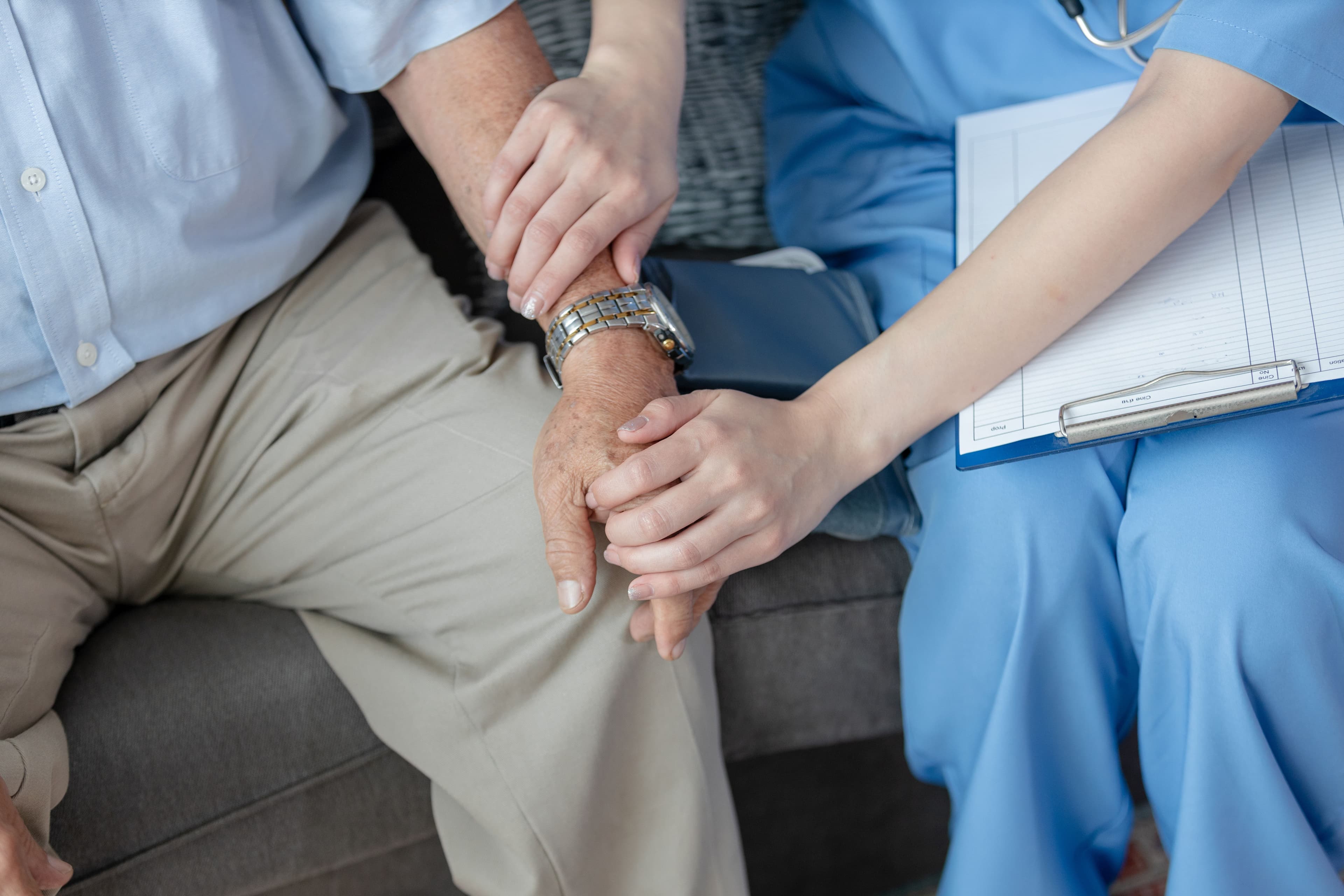
Nursing home abuse and neglect put vulnerable residents at serious risk, leading to malnutrition, dehydration, infections, and preventable injuries. When facilities fail to provide adequate care, residents suffer, and families are left feeling helpless. Lack of supervision, improper medical treatment, and unsafe conditions can result in devastating harm. Understanding the warning signs, knowing your legal rights, and holding negligent facilities accountable are crucial steps in protecting your loved ones. Learn how to take action and seek justice.
March 13, 2026
3 min
When an elderly person lives in a nursing home, timely medical care is not just important — it can be lifesaving. Seniors often have complex health conditions that can worsen rapidly if symptoms are ignored or treatment is delayed. Families trust nursing homes to recognize medical problems early and respond quickly when something is wrong.
Unfortunately, delays in treatment are a recurring issue in many long-term care facilities. At Michael Hill Trial Law, families frequently reach out after discovering that warning signs were missed, complaints were ignored, or medical professionals were not contacted quickly enough. In some cases, these delays can lead to serious injury, permanent decline, or even death.
Understanding how delayed medical treatment happens in nursing homes and when it may rise to the level of negligence can help families protect their loved ones and recognize when something is not right.
Older adults are often medically fragile. Conditions that may seem minor at first — such as a mild infection or a change in blood pressure — can escalate quickly without prompt care. A delay of even a few hours in recognizing a serious medical issue may dramatically affect the outcome.
Residents in nursing homes often depend entirely on staff to monitor their health and report changes to medical professionals. When caregivers fail to notice or respond to symptoms, the consequences can be severe.
Some of the most common health issues that require quick attention include:
In many situations, early intervention can prevent hospitalization or long-term complications.
Delays rarely happen because of a single mistake. Instead, they often result from a combination of staffing challenges, communication breakdowns, and inadequate training.
For example, a resident might complain of pain or dizziness, but the staff member on duty may assume the symptom is minor. If the concern is not reported to a nurse or physician promptly, valuable time can be lost.
Several factors commonly contribute to delayed medical care in nursing homes:
When these issues occur together, a resident’s health can deteriorate before appropriate medical care is provided.

In some cases, the signs of a medical emergency are obvious. In others, symptoms may appear gradually, making it even more important for staff to monitor residents closely.
Situations where delayed treatment may lead to serious harm include infections that are left untreated, injuries from falls that are not evaluated quickly, or medication reactions that go unnoticed. A resident who begins showing signs of confusion, weakness, or severe pain should be assessed promptly.
When these symptoms are ignored or dismissed, the risk of complications increases significantly.
Some examples of potentially dangerous delays include:
Each of these situations can put elderly residents in immediate danger.
One of the most common reasons nursing homes respond slowly to medical concerns is understaffing. When too few caregivers are responsible for too many residents, important symptoms may be overlooked or addressed too late.
Caregivers who are stretched thin may not have enough time to observe subtle changes in a resident’s condition. As a result, early warning signs of serious medical problems can be missed.
Understaffing may lead to problems such as:
These systemic issues often contribute to preventable medical emergencies.
Not every delay in treatment automatically means a nursing home acted negligently. However, facilities have a legal duty to respond reasonably to medical concerns and to protect residents from foreseeable harm.
A delay may be considered negligent when staff ignore clear symptoms, fail to follow established protocols, or do not notify medical professionals in a timely manner.
In some cases, negligence may involve situations such as:
When these failures lead to serious harm, legal accountability may arise.
Family members often notice changes in a loved one’s health before the facility acknowledges a problem. Paying attention to these changes can help identify potential medical issues early.
Signs that medical care may have been delayed include sudden confusion, unexplained injuries, untreated wounds, or a noticeable decline in overall health. Families may also notice inconsistencies in explanations provided by staff.
Some warning signs may include:
If these situations occur, families may want to ask questions and request additional information about the resident’s care.
At Michael Hill Trial Law, we understand how frustrating and heartbreaking it can be to learn that a loved one’s medical needs were not addressed promptly. Families deserve clear explanations when a resident’s health deteriorates unexpectedly.
Our firm focuses on cases involving nursing home negligence, delayed medical treatment, and preventable harm to elderly residents. By carefully reviewing medical records, facility procedures, and regulatory findings, we work to determine whether proper care standards were followed.
When facilities fail to respond appropriately to medical concerns, accountability may help protect other vulnerable residents from similar harm.
Delayed medical treatment in a nursing home should never be ignored. Families who suspect that a loved one’s symptoms were not addressed in a timely manner may benefit from asking detailed questions and reviewing the circumstances surrounding the event.
If you believe a nursing home’s slow response contributed to a loved one’s injury or illness, understanding your legal options can be an important step toward protecting their rights.
Michael Hill Trial Law is dedicated to protecting elderly residents and supporting families throughout Ohio and across the United States.
Contact Michael Hill Trial Law to learn how the firm can help you pursue accountability and safer nursing home care.