
Nursing home abuse and neglect put vulnerable residents at serious risk, leading to malnutrition, dehydration, infections, and preventable injuries. When facilities fail to provide adequate care, residents suffer, and families are left feeling helpless. Lack of supervision, improper medical treatment, and unsafe conditions can result in devastating harm. Understanding the warning signs, knowing your legal rights, and holding negligent facilities accountable are crucial steps in protecting your loved ones. Learn how to take action and seek justice.
April 25, 2026
3 min
When a medical issue arises in a nursing home, time matters. Whether it is a sudden illness, a fall, or a change in a resident’s condition, prompt medical attention can make the difference between recovery and serious complications.
Families trust that nursing homes will act quickly when something is wrong. However, at Michael Hill Trial Law, we often see cases where that response is delayed — sometimes by hours, sometimes longer — and the consequences can be devastating.
Delayed medical treatment is not always obvious at first. But when care is not provided in a timely manner, it can lead to worsening conditions, unnecessary suffering, and, in some cases, preventable death.
Delayed medical treatment occurs when a nursing home fails to respond appropriately or promptly to a resident’s medical needs. This can involve delays in recognizing symptoms, contacting a doctor, administering treatment, or transferring a resident to a hospital.
In a nursing home setting, staff are expected to monitor residents closely and act quickly when concerns arise.
A delay may involve:
These delays can significantly affect outcomes, especially for elderly individuals.
Older adults are often more medically fragile, meaning that conditions can worsen more quickly than in younger individuals. A minor issue can escalate rapidly if not addressed.
For example, an untreated infection can lead to sepsis. A delayed response to a fall may result in untreated internal injuries. Even dehydration or respiratory issues can become critical without timely care.
Timely treatment helps:
When care is delayed, these benefits are lost.
Delays in treatment can happen in a variety of situations, many of which are preventable.
Some of the most common include:
In many cases, these are situations where early intervention could have made a significant difference.
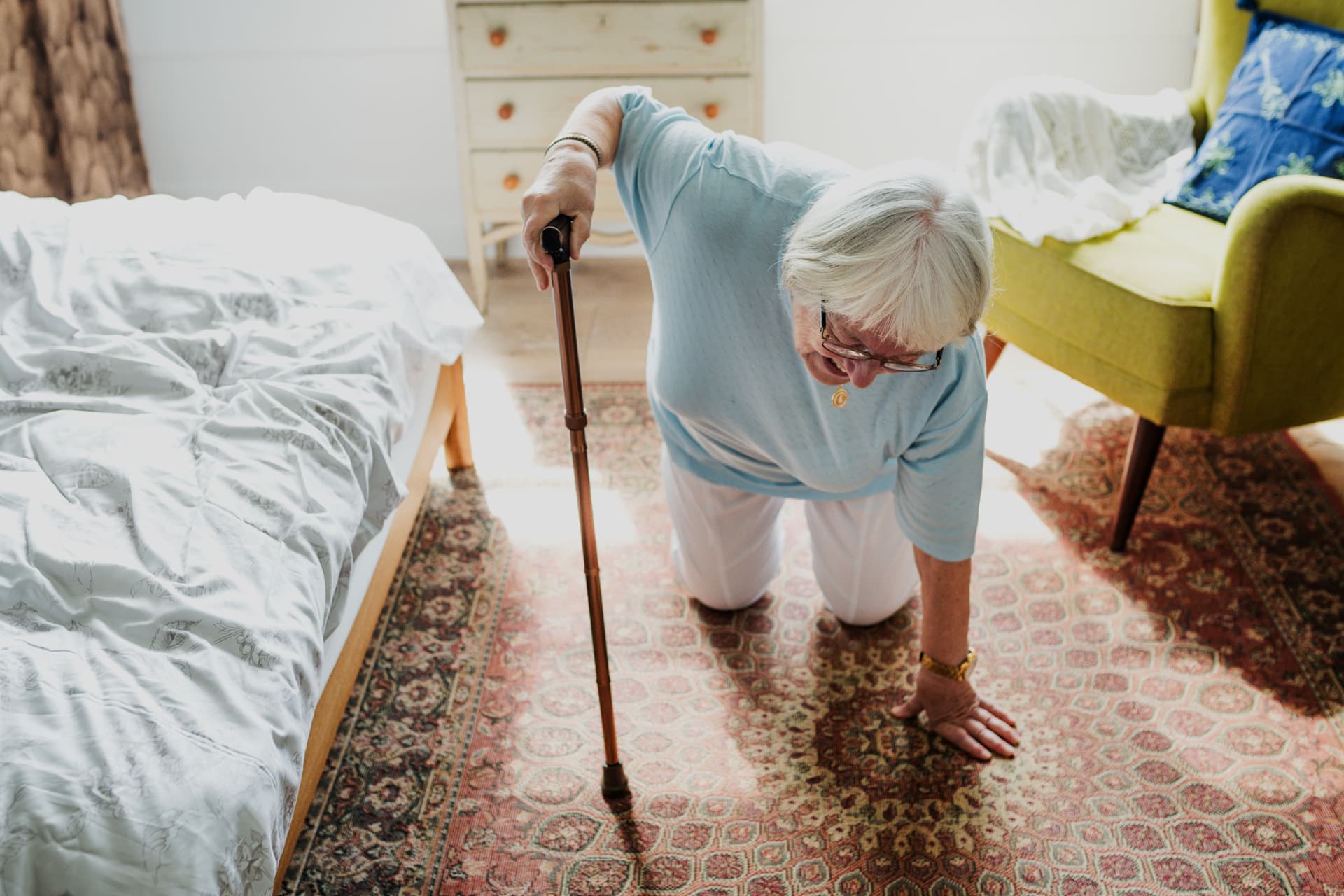
Delays are often not accidental. They may result from broader issues within the facility.
One of the most common causes is understaffing. When there are too few caregivers, it becomes difficult to respond quickly to every resident’s needs.
Other contributing factors include:
These systemic issues can create dangerous gaps in care.
When medical care is delayed, the impact can be severe. Conditions that might have been manageable can quickly become life-threatening.
Potential consequences include:
For families, these outcomes are especially difficult because they may have been preventable.
Not every delay automatically means a nursing home is legally responsible. However, when a facility fails to act within a reasonable timeframe — especially when clear symptoms are present — it may be considered negligence.
A nursing home may be liable if:
In these situations, the facility may have failed to meet its duty of care.
Families often notice signs that something is not right. Being aware of these warning signs can help identify delays in care.
Signs may include:
If these issues arise, it may be important to ask detailed questions about when care was provided.
Nursing homes are expected to have systems in place to ensure timely medical care. This includes regular monitoring, clear reporting procedures, and prompt communication with healthcare providers.
Effective care should involve:
When these systems are not followed, delays become more likely.
At Michael Hill Trial Law, we understand how devastating it can be to learn that a loved one’s condition worsened because care was delayed. These cases often involve preventable harm that could have been avoided with timely action.
Our firm focuses on cases involving nursing home negligence, delayed medical treatment, and preventable injuries to elderly residents. We work with families to determine whether the facility responded appropriately and met its legal obligations.
In a nursing home, delays in medical treatment are not just inconvenient — they can be dangerous. Residents depend on staff to recognize problems and act quickly.
When that does not happen, the consequences can be serious.
If you believe your loved one suffered harm due to delayed medical treatment in a nursing home, understanding your legal options may be an important step forward.
Michael Hill Trial Law is dedicated to protecting elderly residents and supporting families throughout Ohio and across the United States.
Contact Michael Hill Trial Law to learn how the firm can help you pursue accountability and ensure timely, proper care.