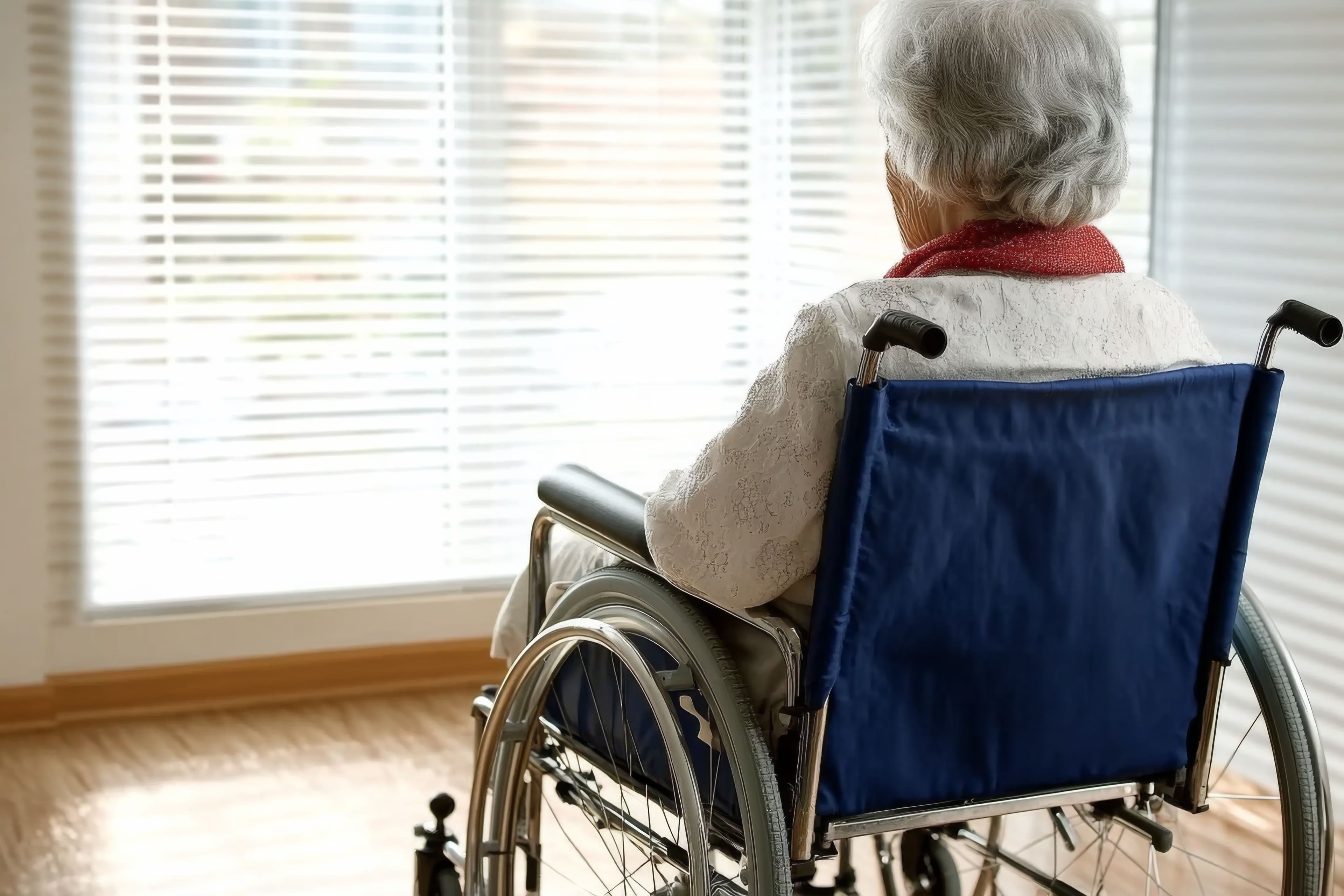
Nursing home abuse and neglect put vulnerable residents at serious risk, leading to malnutrition, dehydration, infections, and preventable injuries. When facilities fail to provide adequate care, residents suffer, and families are left feeling helpless. Lack of supervision, improper medical treatment, and unsafe conditions can result in devastating harm. Understanding the warning signs, knowing your legal rights, and holding negligent facilities accountable are crucial steps in protecting your loved ones. Learn how to take action and seek justice.
March 26, 2026
3 min
When families think about nursing home abuse, they often imagine physical injuries or medical neglect. However, one of the most common — and least recognized — forms of harm is emotional neglect. Unlike visible injuries, emotional neglect can develop quietly over time, affecting a resident’s mental health, dignity, and overall well-being.
At Michael Hill Trial Law, we often see cases where families notice subtle but concerning changes in their loved one’s behavior. A once talkative parent becomes withdrawn. A previously engaged resident begins to isolate. While these changes may be attributed to aging, they can sometimes signal something deeper: a lack of meaningful human interaction and emotional care.
Understanding emotional neglect is essential because it is often overlooked — yet its impact can be just as serious as physical harm.
Emotional neglect occurs when a nursing home fails to provide the social interaction, attention, and psychological support that residents need. While facilities focus heavily on medical care, emotional well-being is equally important.
Residents are not just patients — they are individuals who require connection, communication, and dignity.
Emotional neglect may involve:
These behaviors may not leave visible marks, but they can deeply affect a resident’s quality of life.
As people age, social connection often becomes more important — not less. Many nursing home residents have already experienced significant life changes, including loss of independence, relocation, or the passing of loved ones.
Without consistent emotional support, residents may begin to feel:
In residents with dementia, lack of emotional engagement can even accelerate cognitive decline.
Emotional care is not an “extra” service — it is a fundamental part of proper nursing home care.

Emotional neglect is rarely intentional. Instead, it often results from systemic issues within a facility.
The most common contributing factor is understaffing. When caregivers are overwhelmed with physical tasks, emotional interaction may be deprioritized or overlooked.
Other contributing factors include:
Over time, these conditions can create an environment where residents receive only the minimum level of care.
Because emotional neglect is not always obvious, families play a critical role in identifying warning signs. Changes in behavior are often the first indication that something is wrong.
Some signs may appear gradually, while others may develop more quickly.
Common red flags include:
If a loved one’s personality changes significantly after entering a nursing home, it is worth taking a closer look.
Emotional neglect does not just affect mental well-being — it can also impact physical health. Studies have shown that isolation and depression can contribute to:
In other words, emotional neglect can create a cycle where mental and physical health both decline.
Not every instance of limited interaction rises to the level of legal negligence. However, when a facility consistently fails to meet a resident’s basic emotional needs, it may violate required care standards.
A nursing home may be legally responsible if:
In these situations, the facility may have failed to provide adequate and dignified care, as required under Ohio and federal law.
If you believe your loved one may be experiencing emotional neglect, there are steps you can take to better understand the situation and advocate for their care.
Start by observing patterns — not just isolated incidents. Speak with staff, ask about daily routines, and request information about activities and engagement opportunities.
Helpful steps include:
If concerns continue, further action may be necessary.
At Michael Hill Trial Law, we understand that emotional neglect can be just as painful — and just as harmful — as physical neglect. Families often feel uncertain about whether what they are seeing is serious enough to take action.
Our firm focuses on cases involving nursing home neglect, including less visible forms of harm that affect residents’ dignity and well-being. We work to uncover patterns of neglect and determine whether facilities are meeting their legal obligations.
Nursing homes are responsible for more than just medical care. They are entrusted with the daily lives of vulnerable individuals who deserve respect, attention, and compassion.
Emotional neglect may not leave visible scars, but its impact can be profound. Recognizing the signs and taking action can make a meaningful difference in a loved one’s life.
If you believe your loved one may be experiencing emotional neglect in a nursing home, it is important to understand your options and seek guidance.
Michael Hill Trial Law is dedicated to protecting elderly residents and supporting families throughout Ohio and across the United States.
Contact Michael Hill Trial Law to learn how the firm can help you pursue accountability and ensure compassionate, dignified care.