Nursing home abuse and neglect put vulnerable residents at serious risk, leading to malnutrition, dehydration, infections, and preventable injuries. When facilities fail to provide adequate care, residents suffer, and families are left feeling helpless. Lack of supervision, improper medical treatment, and unsafe conditions can result in devastating harm. Understanding the warning signs, knowing your legal rights, and holding negligent facilities accountable are crucial steps in protecting your loved ones. Learn how to take action and seek justice.
April 29, 2026
3 min
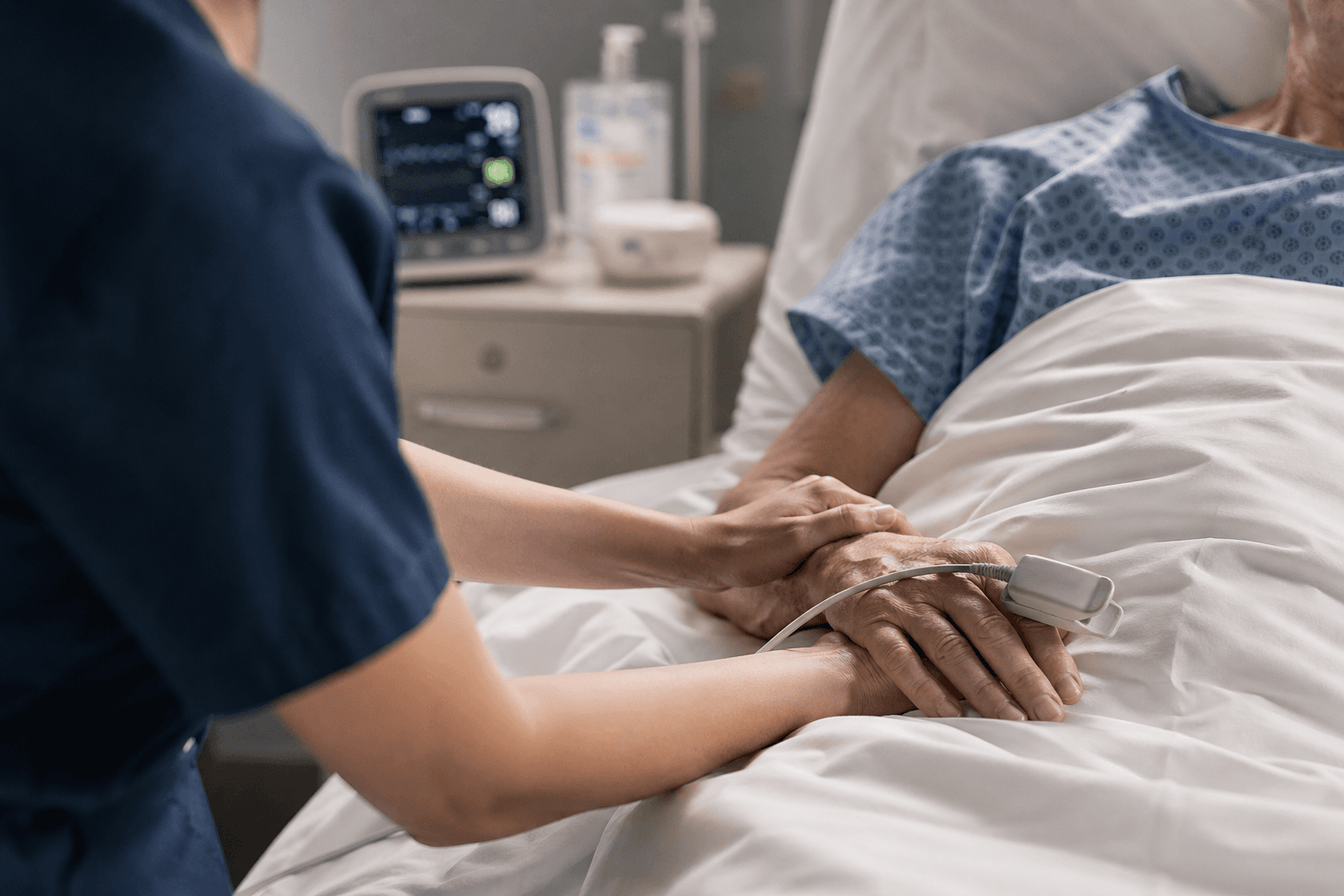
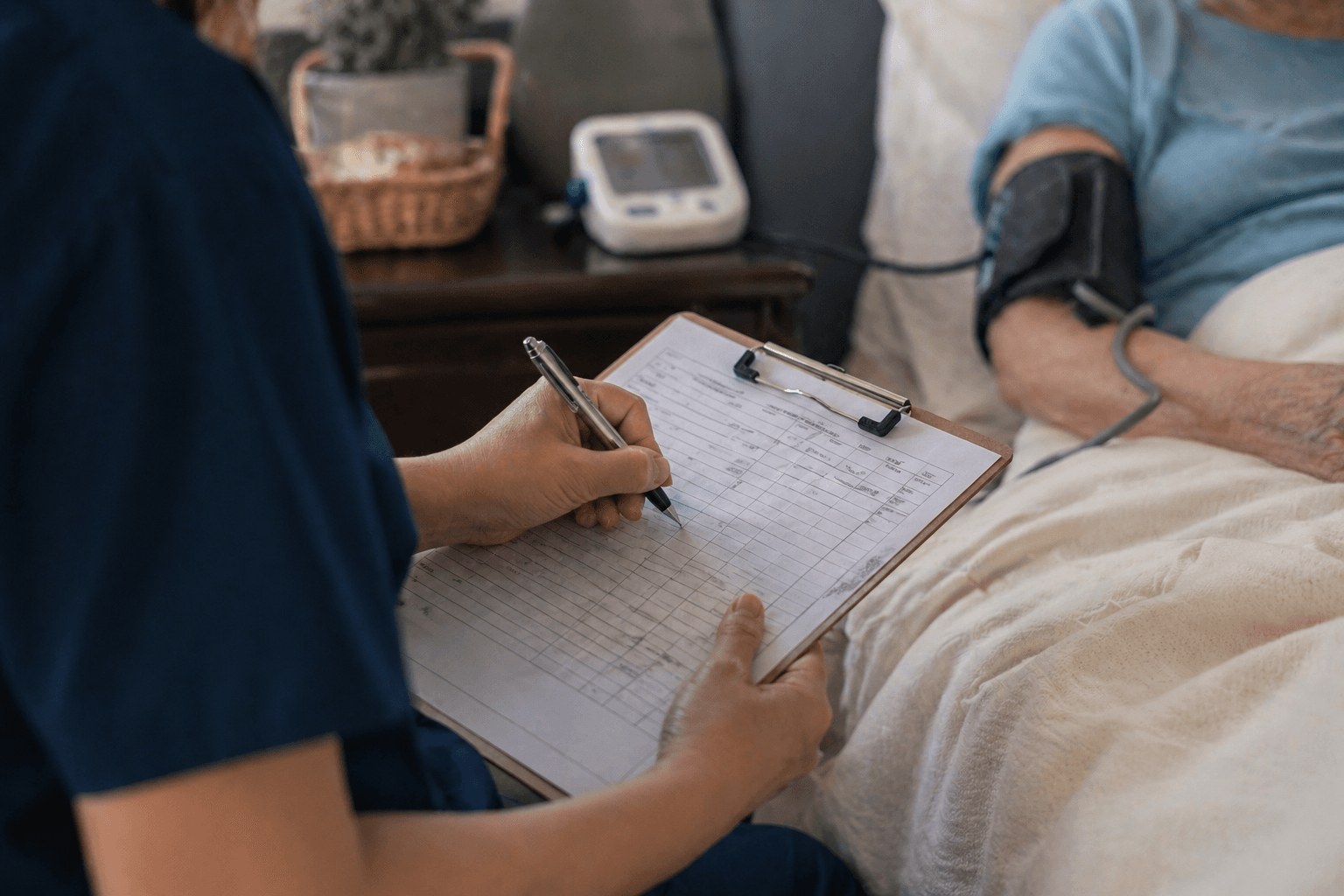
In a nursing home setting, small changes in a resident’s condition can signal serious underlying issues. That is why monitoring vital signs — such as blood pressure, heart rate, temperature, and oxygen levels — is a critical part of daily care.
When these basic health indicators are not properly tracked, important warning signs can be missed. At Michael Hill Trial Law, we often see cases where a resident’s condition worsened significantly because early symptoms were overlooked or ignored.
These are not complex medical failures. In many cases, they are missed opportunities to intervene early, when treatment could have prevented serious harm.
Vital signs are key measurements that provide insight into a person’s overall health. In nursing homes, they are one of the most important tools for identifying changes in a resident’s condition.
Common vital signs include:
These measurements help staff detect infections, cardiac issues, respiratory problems, and other serious conditions before they escalate.
Monitoring vital signs is not a one-time task — it is an ongoing responsibility. Depending on a resident’s condition, these measurements may need to be taken regularly and recorded accurately.
Proper monitoring allows staff to:
Without consistent monitoring, even serious conditions may go unnoticed.
Failures to monitor vital signs often stem from systemic issues within a facility. In some cases, measurements are not taken as frequently as required. In others, they may be recorded incorrectly — or not at all.
Common breakdowns include:
These failures can create gaps in care that put residents at risk.
When vital signs are not properly monitored, early symptoms of serious conditions may be missed. This can allow health issues to worsen before they are addressed.
For example, a slight fever may indicate the beginning of an infection. A change in blood pressure could signal a cardiac issue. Low oxygen levels may point to respiratory distress.
Without timely intervention, these conditions can escalate into:
In many cases, early detection could have changed the outcome.
Not every missed reading will result in legal liability. However, when a nursing home consistently fails to monitor vital signs — or ignores abnormal results — it may be considered negligence.
A facility may be responsible if:
These situations often involve failures to meet basic standards of care.
Families may not always see vital sign records, but they can observe changes in a loved one’s condition that may indicate something is wrong.
Warning signs may include:
If these symptoms appear without explanation, it may be important to ask how the resident is being monitored.
Accurate documentation is a key part of monitoring vital signs. Nursing homes are expected to maintain detailed records that track each resident’s condition over time.
This information should be:
When documentation is missing or inconsistent, it may indicate that proper monitoring is not taking place.
At Michael Hill Trial Law, we understand how devastating it can be to learn that a loved one’s condition worsened because early warning signs were missed. These cases often involve preventable harm that could have been avoided with proper monitoring.
Our firm focuses on cases involving nursing home negligence, failures in medical oversight, and preventable injuries to elderly residents. We work with families to determine whether proper monitoring protocols were followed and whether the facility met its responsibilities.
Monitoring vital signs is one of the most basic and important responsibilities in a nursing home. It allows staff to detect problems early and respond before they become serious.
When this responsibility is neglected, residents may suffer harm that could have been prevented.
If you believe your loved one’s condition worsened due to a lack of proper monitoring in a nursing home, it may be important to understand your legal options.
Michael Hill Trial Law is dedicated to protecting elderly residents and supporting families throughout Ohio and across the United States.
Contact Michael Hill Trial Law to learn how the firm can help you pursue accountability and ensure proper medical care.