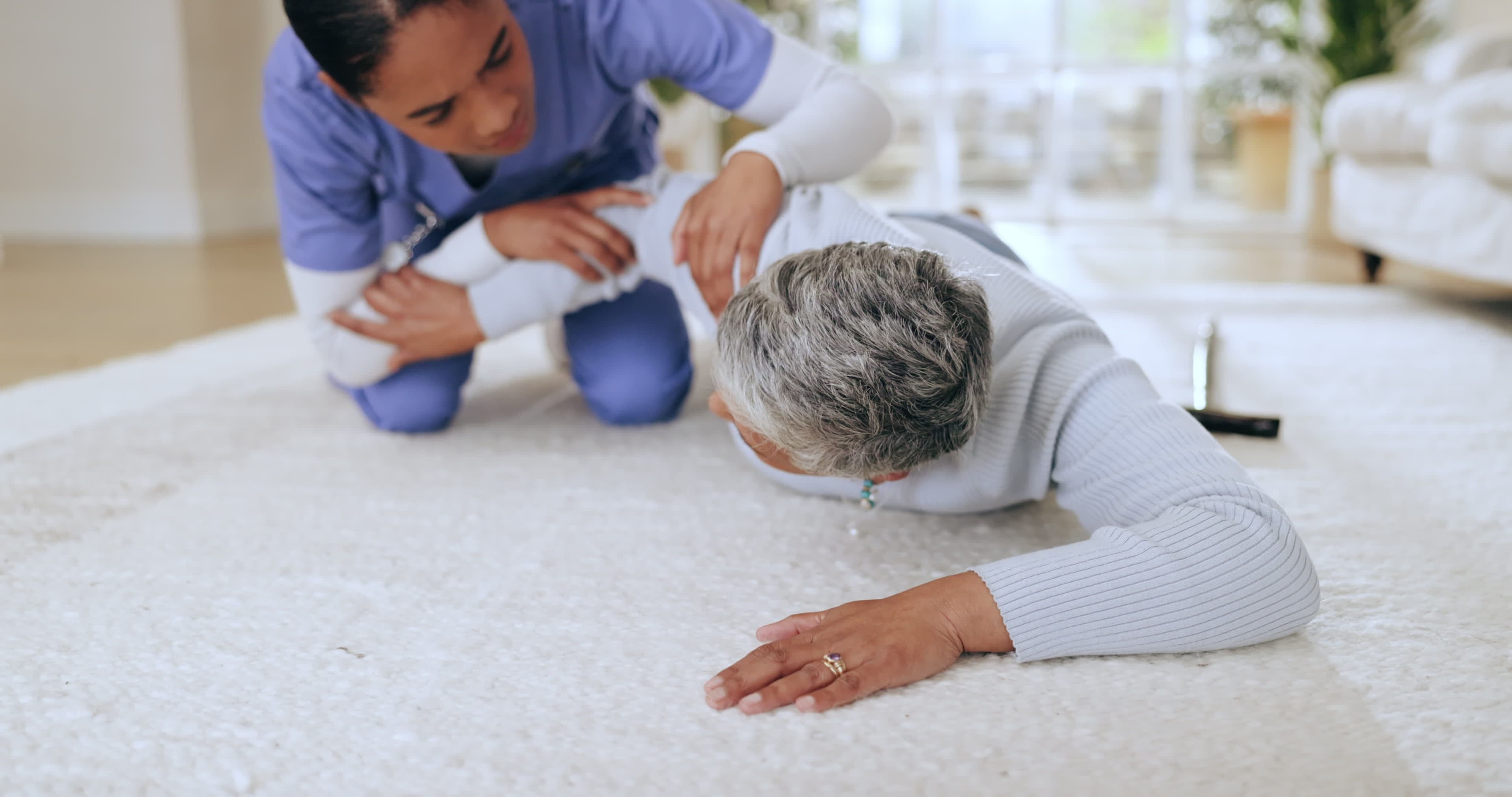
Nursing home abuse and neglect put vulnerable residents at serious risk, leading to malnutrition, dehydration, infections, and preventable injuries. When facilities fail to provide adequate care, residents suffer, and families are left feeling helpless. Lack of supervision, improper medical treatment, and unsafe conditions can result in devastating harm. Understanding the warning signs, knowing your legal rights, and holding negligent facilities accountable are crucial steps in protecting your loved ones. Learn how to take action and seek justice.
April 29, 2026
3 min
Falls are one of the most common incidents in nursing homes — but they are also one of the most misunderstood. Families are often told that a fall was “just an accident” or “part of aging.” While some falls may be unavoidable, many are the direct result of failures in supervision, planning, and basic safety measures.
At Michael Hill Trial Law, we frequently work with families who later discover that a loved one’s fall could have been prevented. In these cases, the issue is not simply the fall itself, but the conditions that allowed it to happen.
Understanding the difference between an unavoidable accident and preventable negligence is essential when evaluating nursing home care.
For younger individuals, a fall might result in minor bruising. For elderly residents, however, the consequences can be far more severe.
A single fall can lead to:
In many cases, a fall marks the beginning of a significant decline in overall health.
Because of these risks, fall prevention is a critical responsibility in nursing homes.
Falls rarely happen without warning. Most are linked to known risk factors that should be addressed in a resident’s care plan.
Common causes include:
These are all conditions that facilities are expected to monitor and manage.
Every nursing home resident should undergo a fall risk assessment upon admission and regularly thereafter. This assessment helps staff identify which residents need additional support.
A proper fall prevention plan may include:
When these precautions are not implemented or followed, the risk of falls increases significantly.
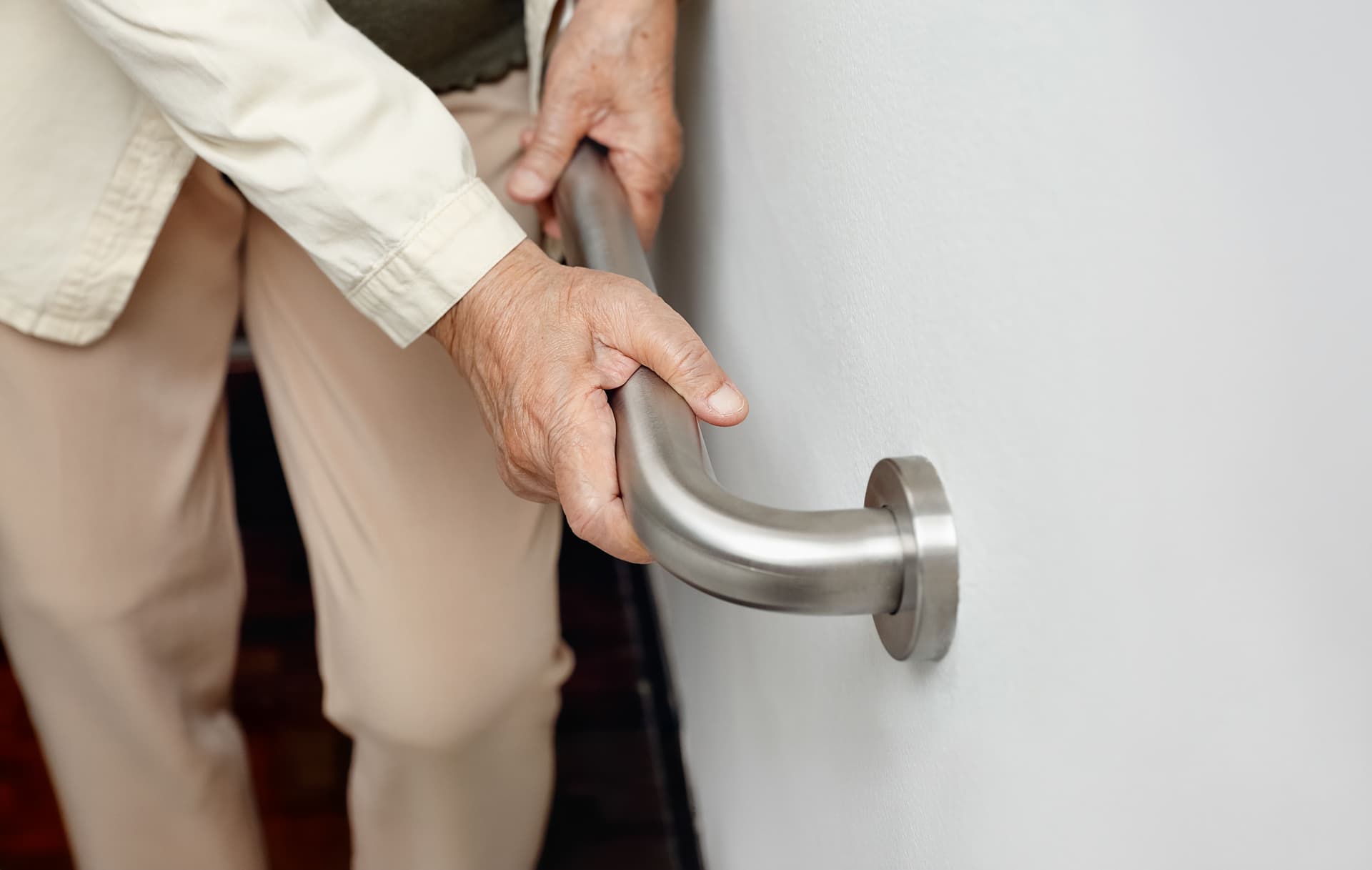
In many cases, falls occur not because of unpredictable behavior, but because staff did not follow established safety procedures.
Failures may include:
These are not isolated mistakes — they often reflect broader issues within the facility.
Not every fall automatically means a nursing home is legally responsible. However, when a fall results from a failure to take reasonable precautions, it may indicate negligence.
A facility may be liable if:
In these cases, the fall may have been preventable.
Families are often the first to notice signs that a nursing home may not be providing adequate fall prevention.
Some red flags include:
If these signs are present, it may be important to ask detailed questions about safety protocols.
Effective fall prevention requires adequate staffing and proper training. Caregivers must be able to recognize risk factors, respond quickly, and assist residents appropriately.
When facilities are understaffed or poorly managed, fall risks increase. Staff may not have enough time to monitor residents or provide necessary assistance.
This creates conditions where preventable accidents become more likely.
At Michael Hill Trial Law, we understand how devastating a fall can be for both residents and their families. These cases often involve preventable harm that could have been avoided with proper care.
Our firm focuses on cases involving nursing home negligence, fall-related injuries, and failures in basic safety practices. We work with families to determine whether proper precautions were taken and whether the facility met its legal obligations.
While falls are common in nursing homes, they should never be automatically accepted as unavoidable. Many falls are the result of missed opportunities to prevent harm.
Residents deserve care that prioritizes their safety, mobility, and dignity.
If your loved one has suffered a fall in a nursing home, it may be important to understand whether proper precautions were in place and whether the incident could have been prevented.
Michael Hill Trial Law is dedicated to protecting elderly residents and supporting families throughout Ohio and across the United States.
Contact Michael Hill Trial Law to learn how the firm can help you pursue accountability and ensure safer care for your loved one.