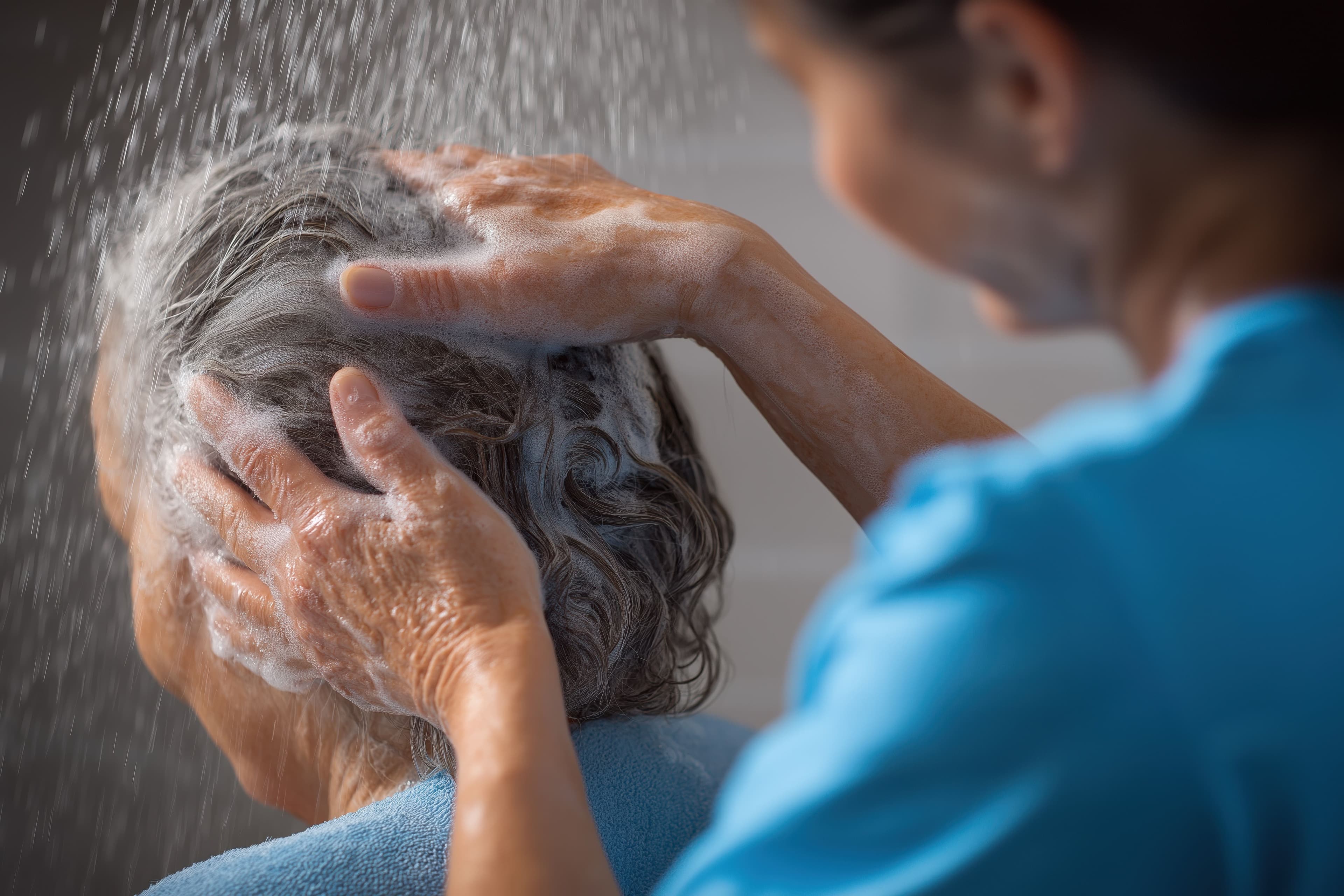
Nursing home abuse and neglect put vulnerable residents at serious risk, leading to malnutrition, dehydration, infections, and preventable injuries. When facilities fail to provide adequate care, residents suffer, and families are left feeling helpless. Lack of supervision, improper medical treatment, and unsafe conditions can result in devastating harm. Understanding the warning signs, knowing your legal rights, and holding negligent facilities accountable are crucial steps in protecting your loved ones. Learn how to take action and seek justice.
March 19, 2026
3 min
Infections in nursing homes are more common than many families realize — and in many cases, they are entirely preventable. For elderly residents, even a seemingly minor infection can quickly become life-threatening if not properly managed. At Michael Hill Trial Law, we often work with families who only discover too late that an infection could have been avoided with basic care and attention.
Nursing homes have a legal and ethical responsibility to maintain a clean, safe environment and to monitor residents closely for early signs of illness. When they fail to do so, the consequences can be devastating.
Understanding how infections develop, why they occur in nursing homes, and when they may indicate negligence can help families recognize warning signs and take action.
Elderly individuals are at a significantly higher risk of developing infections due to weakened immune systems and underlying health conditions. Many residents also rely on staff for basic daily care, which increases the importance of proper hygiene and monitoring.
In a nursing home setting, infections can spread quickly if protocols are not followed. Shared spaces, close contact, and medical vulnerabilities all contribute to this heightened risk.
Some common factors that increase infection risk include:
Because these risks are well known, nursing homes are expected to take proactive steps to prevent infections.
Not all infections are unavoidable. Many of the most common infections seen in nursing homes are linked to lapses in basic care.
Frequently occurring infections include:
These conditions can escalate quickly, particularly when early symptoms are overlooked or ignored.
Infections in nursing homes are often the result of small failures that build over time. A missed hygiene routine, improper wound care, or failure to monitor symptoms can allow bacteria or viruses to spread.
For example, a resident who is not regularly repositioned may develop a pressure ulcer. If that wound is not properly cleaned and monitored, it can become infected. Similarly, poor hand hygiene among staff can lead to the spread of illness between residents.
These issues are rarely isolated incidents — they often point to broader systemic problems within a facility.
Proper hygiene is one of the most important defenses against infection in nursing homes. Facilities are required to implement infection control policies and ensure that staff follow them consistently.
This includes maintaining cleanliness, using protective equipment when necessary, and ensuring residents receive proper personal care.
Key infection prevention practices include:
When these basic standards are not followed, infection risks increase significantly.
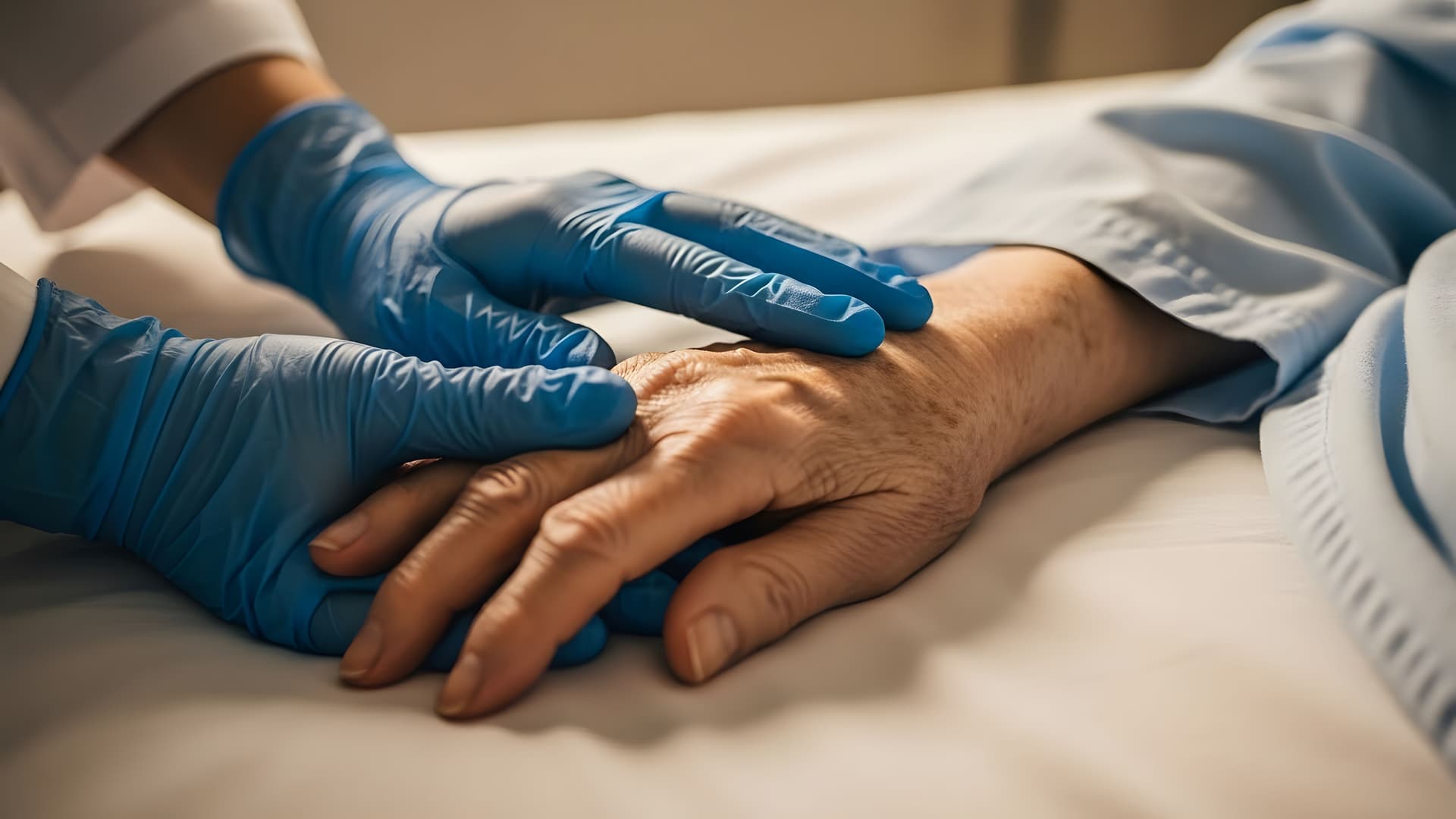
Not every infection is the result of negligence. However, there are situations where a facility’s failure to follow proper procedures may lead to legal responsibility.
Negligence may be suspected when infections occur alongside clear lapses in care, such as ignoring symptoms, failing to maintain hygiene standards, or not providing necessary medical attention.
Situations that may raise concerns include:
When these failures result in harm, families may have grounds to pursue a legal claim.
For elderly residents, infections can have severe and lasting consequences. What begins as a manageable condition can quickly escalate into a medical emergency.
Infections may lead to:
The impact is not only physical — it can also affect a resident’s quality of life and independence.
Family members are often the first to notice that something is wrong. Paying attention to changes in a loved one’s condition can help identify infections early.
Signs that may indicate an infection include fever, confusion, unusual fatigue, or visible wounds that are not healing properly. Changes in behavior or appetite may also signal an underlying issue.
Some warning signs include:
If these symptoms appear, it is important to ask questions and seek prompt medical evaluation.
At Michael Hill Trial Law, we understand how devastating it can be to learn that a loved one’s infection may have been preventable. Families trust nursing homes to provide safe, attentive care — and when that trust is broken, the consequences can be serious.
Our firm focuses on cases involving nursing home negligence, infection-related harm, and failures in basic care standards. We work closely with families to investigate whether proper infection control measures were followed and whether earlier intervention could have prevented harm.
Infections in nursing homes are not always unavoidable. In many cases, they are the result of lapses in care that should never happen in a properly managed facility.
If your loved one has suffered from a serious infection while in a nursing home, it may be important to explore whether proper care standards were followed.
Michael Hill Trial Law is dedicated to protecting elderly residents and supporting families throughout Ohio and across the United States.
Contact Michael Hill Trial Law to learn how the firm can help you pursue accountability and ensure safer care for your loved one.