Nursing home abuse and neglect put vulnerable residents at serious risk, leading to malnutrition, dehydration, infections, and preventable injuries. When facilities fail to provide adequate care, residents suffer, and families are left feeling helpless. Lack of supervision, improper medical treatment, and unsafe conditions can result in devastating harm. Understanding the warning signs, knowing your legal rights, and holding negligent facilities accountable are crucial steps in protecting your loved ones. Learn how to take action and seek justice.
May 8, 2026
3 min
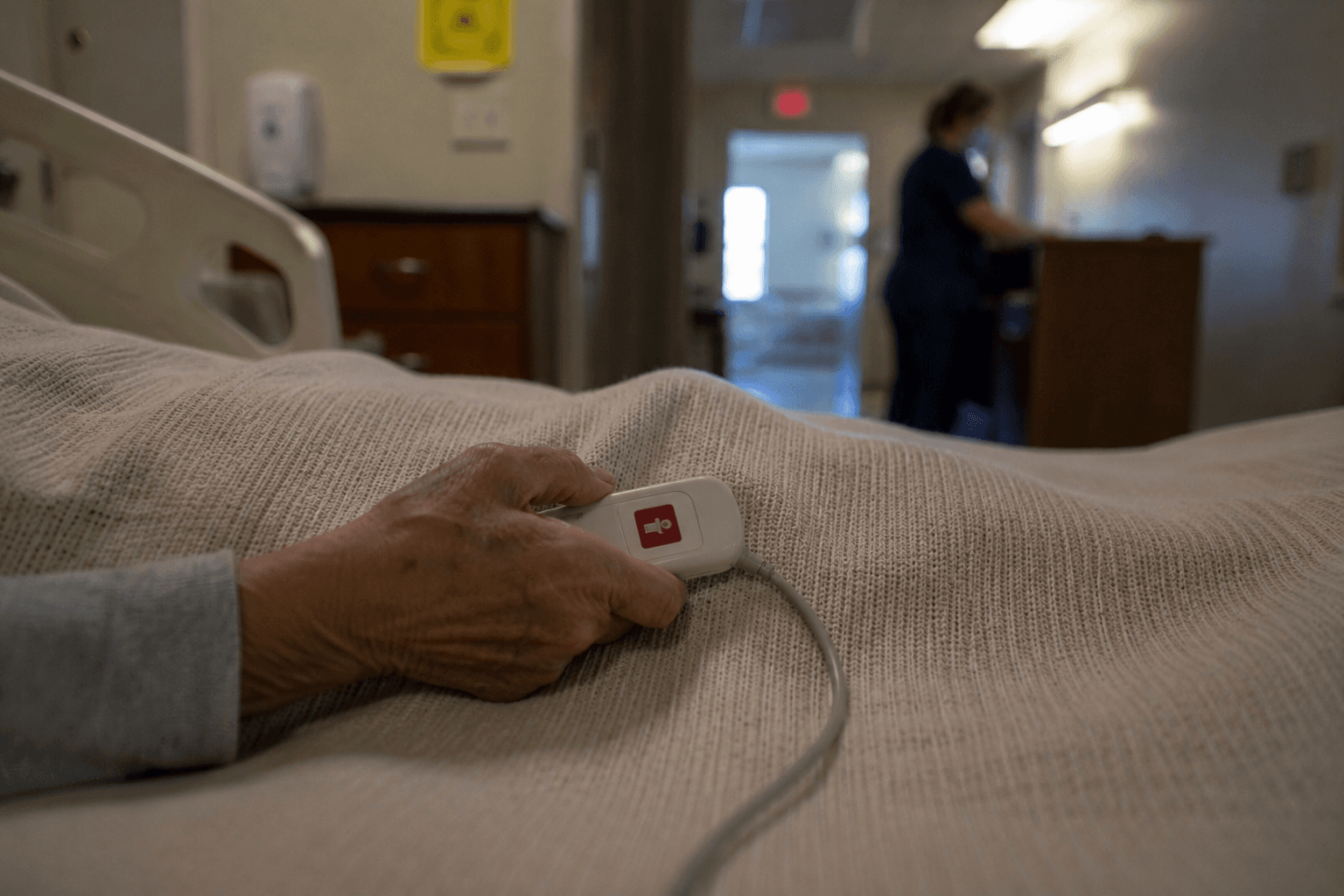
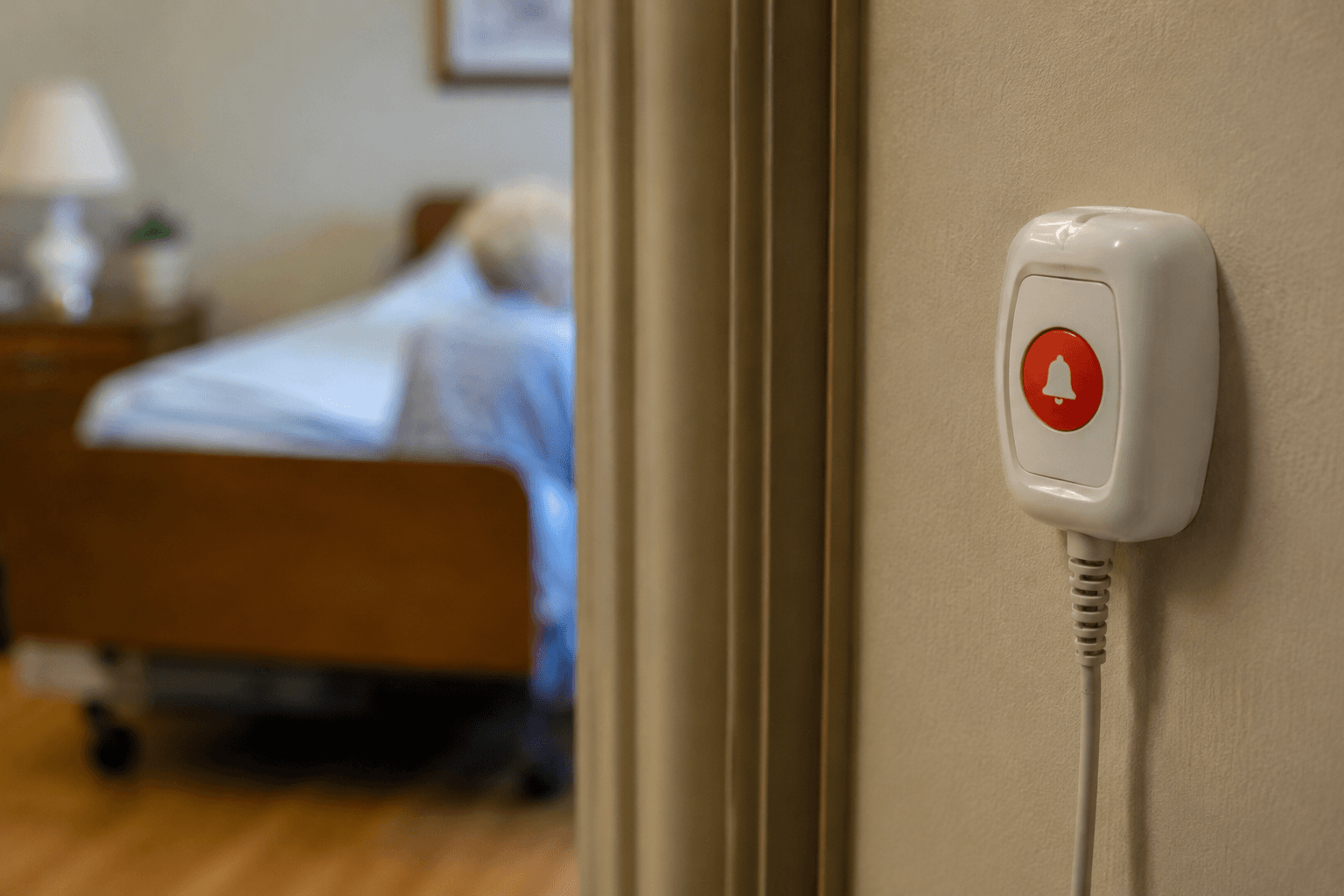
For many nursing home residents, the call light system is more than a convenience — it is their primary way of asking for help. Whether they need assistance getting out of bed, using the restroom, managing pain, or responding to a medical emergency, residents depend on staff to answer these calls quickly and appropriately.
When those calls go unanswered, the consequences can be serious.
At Michael Hill Trial Law, we frequently hear from families who discover that a loved one waited far too long for help in a nursing home. In many cases, delayed responses are not isolated incidents but signs of deeper issues such as understaffing, poor supervision, or inadequate care practices.
Understanding why ignored call lights are so dangerous can help families recognize when a nursing home may be failing to meet its responsibilities.
Many nursing home residents have limited mobility, chronic health conditions, or cognitive impairments that prevent them from meeting basic needs independently. The call light system exists to ensure they can quickly request assistance when necessary.
Residents may use call lights for:
In these situations, timely staff response is essential.
When residents are forced to wait too long for assistance, they may attempt to handle situations on their own. This can create dangerous conditions, especially for elderly individuals who are physically vulnerable.
For example, a resident who needs help getting to the bathroom may try to walk alone and fall. Someone experiencing chest pain or breathing problems may not receive prompt medical attention.
Delayed responses can lead to:
Even seemingly small delays can have serious consequences.
There are several reasons why call lights may go unanswered, but many are linked to larger operational problems within the facility.
One of the most common causes is understaffing. When too few caregivers are responsible for too many residents, response times often increase.
Other contributing factors may include:
These issues can create an environment where residents’ needs are consistently delayed or overlooked.
Ignored call lights affect more than physical safety — they can deeply impact a resident’s emotional well-being.
Residents who repeatedly wait for help may begin to feel:
Over time, this can lead to anxiety, depression, and social withdrawal. Some residents may even stop asking for help altogether out of fear that no one will respond.
Not every delayed response automatically means a nursing home is negligent. However, when delays become frequent or lead to preventable harm, the situation may become more serious.
A nursing home may be legally responsible if:
In these situations, the facility may have failed to provide reasonable care and supervision.
Families visiting loved ones may notice signs that call lights are not being answered appropriately.
Warning signs may include:
These patterns may indicate broader care problems within the facility.
Fast and effective response times require adequate staffing levels. When facilities cut staffing costs or fail to hire enough caregivers, residents are often the ones who suffer.
Proper staffing allows caregivers to:
Without sufficient staff, delays become more common — and more dangerous.
At Michael Hill Trial Law, we understand how upsetting it can be to learn that a loved one’s requests for help were ignored or delayed. These situations often reflect systemic failures that place vulnerable residents at risk.
Our firm focuses on cases involving nursing home neglect, inadequate supervision, and preventable injuries to elderly residents. We work with families to determine whether facilities provided proper staffing, supervision, and timely assistance.
A call light is often a resident’s only way to ask for assistance. When nursing homes fail to respond appropriately, residents may suffer physically and emotionally.
Timely assistance is not optional — it is a basic part of safe and dignified care.
If you believe your loved one has suffered harm due to ignored or delayed call light responses in a nursing home, it may be important to understand your legal options.
Michael Hill Trial Law is dedicated to protecting elderly residents and supporting families throughout Ohio and across the United States.
Contact Michael Hill Trial Law to learn how the firm can help you pursue accountability and ensure proper care for your loved one.