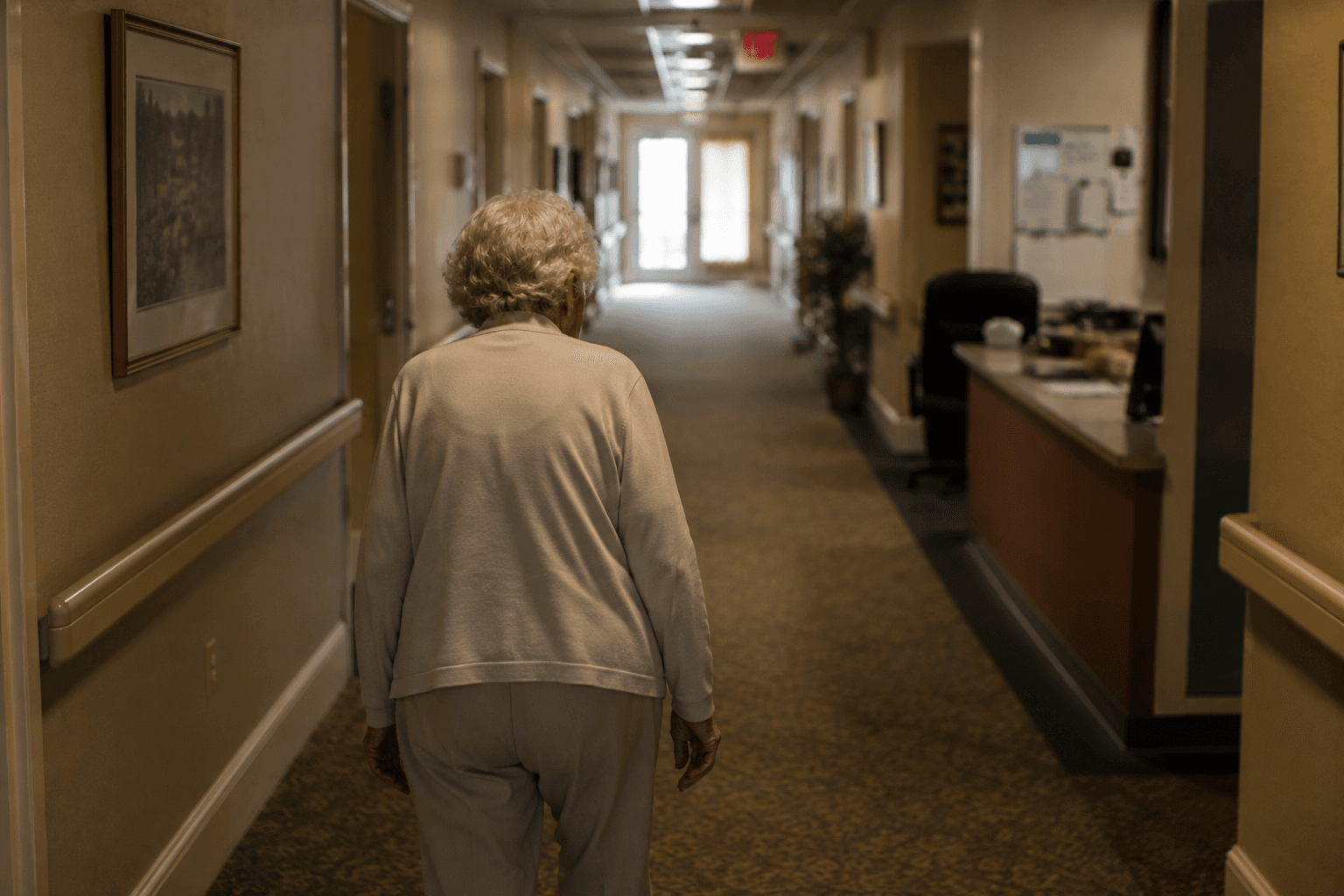
Nursing home abuse and neglect put vulnerable residents at serious risk, leading to malnutrition, dehydration, infections, and preventable injuries. When facilities fail to provide adequate care, residents suffer, and families are left feeling helpless. Lack of supervision, improper medical treatment, and unsafe conditions can result in devastating harm. Understanding the warning signs, knowing your legal rights, and holding negligent facilities accountable are crucial steps in protecting your loved ones. Learn how to take action and seek justice.
May 14, 2026
3 min
Caring for residents with dementia requires patience, training, and constant supervision. Many individuals living with Alzheimer’s disease or other forms of dementia experience confusion, memory loss, and disorientation that can place them at serious risk if they are not properly monitored.
One of the most dangerous consequences of inadequate supervision is wandering.
At Michael Hill Trial Law, we frequently see cases where nursing homes fail to provide the level of attention dementia residents require. In many situations, residents wander away from safe areas, become injured, or find themselves in life-threatening situations that could have been prevented with proper care.
Understanding the risks associated with dementia-related wandering is essential for families trying to protect vulnerable loved ones.
Residents with dementia often experience cognitive impairments that affect judgment, awareness, and memory. They may become confused about where they are, forget physical limitations, or attempt to leave the facility entirely.
Unlike other residents, dementia patients may not fully understand danger or recognize when they need assistance.
Proper supervision helps:
Without adequate monitoring, even ordinary situations can quickly become dangerous.
Wandering occurs when a resident moves about without proper supervision, often becoming disoriented or entering unsafe areas. In nursing homes, wandering may involve residents leaving their rooms, entering restricted areas, or attempting to exit the facility.
Some residents wander because they are searching for familiar places or people. Others may become anxious, restless, or confused.
Common wandering situations include:
These incidents can result in severe injuries or medical emergencies.
Preventing wandering requires planning, monitoring, and staff awareness. Unfortunately, some facilities fail to implement appropriate safety measures.
Common failures include:
When these precautions are missing, residents are placed at unnecessary risk.
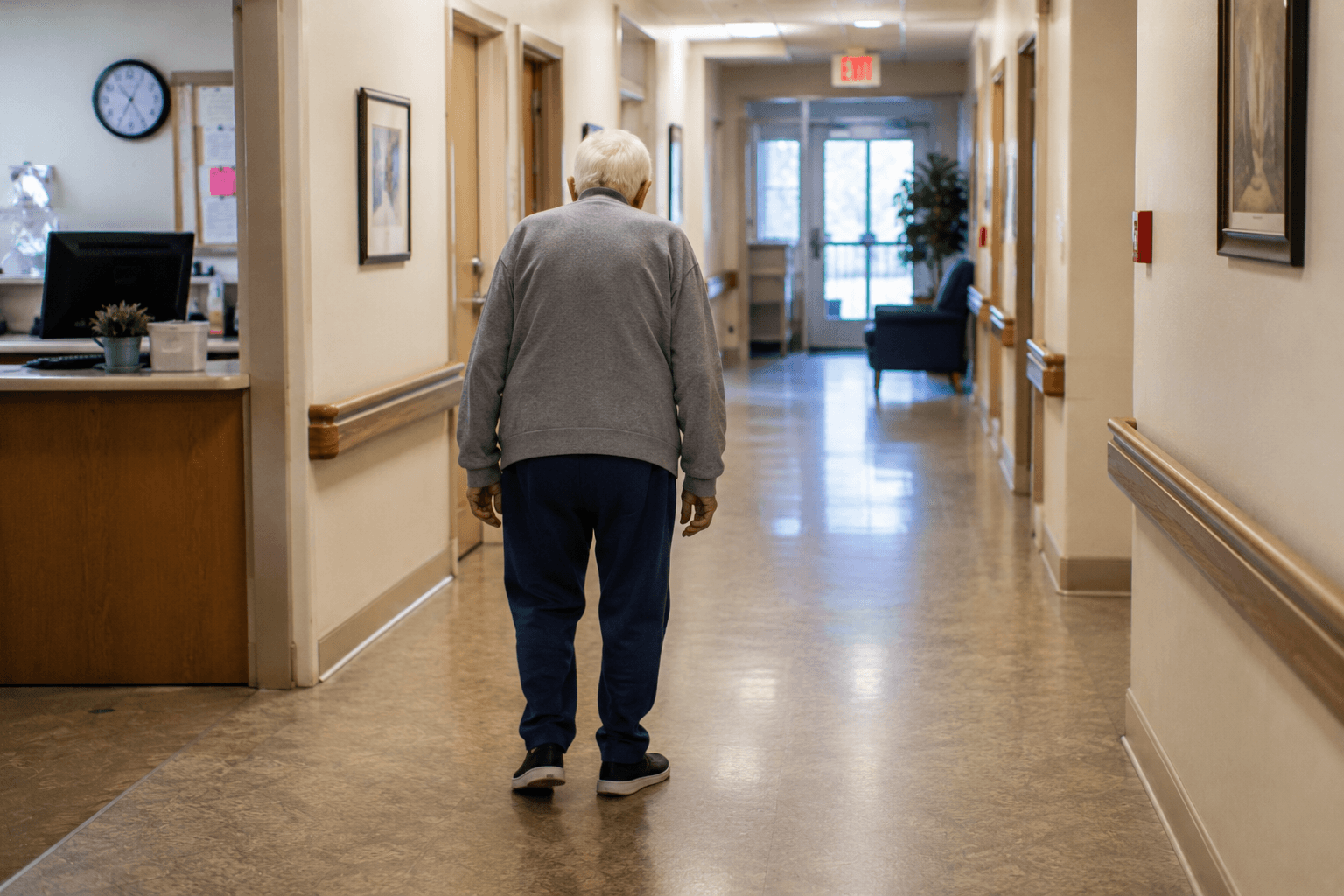
Residents with dementia often require more attention than other nursing home residents. Staff must be trained to recognize behavioral patterns, respond calmly to confusion, and intervene before wandering situations escalate.
Proper dementia care training may include:
When staff are not properly trained, they may fail to recognize warning signs before an incident occurs.
Wandering incidents can lead to devastating outcomes, especially for elderly residents with cognitive impairments.
Potential dangers include:
In some cases, wandering residents may not be found quickly, increasing the likelihood of severe harm.
Not every wandering incident automatically means a nursing home acted negligently. However, when a facility fails to take reasonable precautions to protect a known at-risk resident, legal concerns may arise.
A nursing home may be considered negligent if:
In these situations, the harm may have been avoidable with proper care.
Families may notice signs that a nursing home is struggling to supervise dementia residents appropriately.
Warning signs may include:
These issues may indicate broader supervision problems within the facility.
Wandering incidents can be traumatic not only for residents, but also for their families. Loved ones often feel fear, frustration, and guilt after learning that a vulnerable resident was left unsupervised.
Residents themselves may experience:
These incidents can significantly affect overall quality of life.
At Michael Hill Trial Law, we understand how devastating wandering-related injuries can be for families and residents alike. These situations often involve preventable failures in supervision and safety procedures.
Our firm focuses on cases involving nursing home negligence, inadequate dementia care, and preventable injuries to elderly residents. We work with families to determine whether proper supervision measures were in place and whether the facility fulfilled its duty of care.
Residents living with dementia depend on nursing homes to provide protection, supervision, and compassionate support. When facilities fail to meet these responsibilities, the consequences can be life-threatening.
Proper supervision is not optional — it is an essential part of dementia care.
If your loved one suffered harm due to inadequate supervision or wandering in a nursing home, it may be important to understand your legal options.
Michael Hill Trial Law is dedicated to protecting elderly residents and supporting families throughout Ohio and across the United States.
Contact Michael Hill Trial Law to learn how the firm can help you pursue accountability and ensure safer care for your loved one.