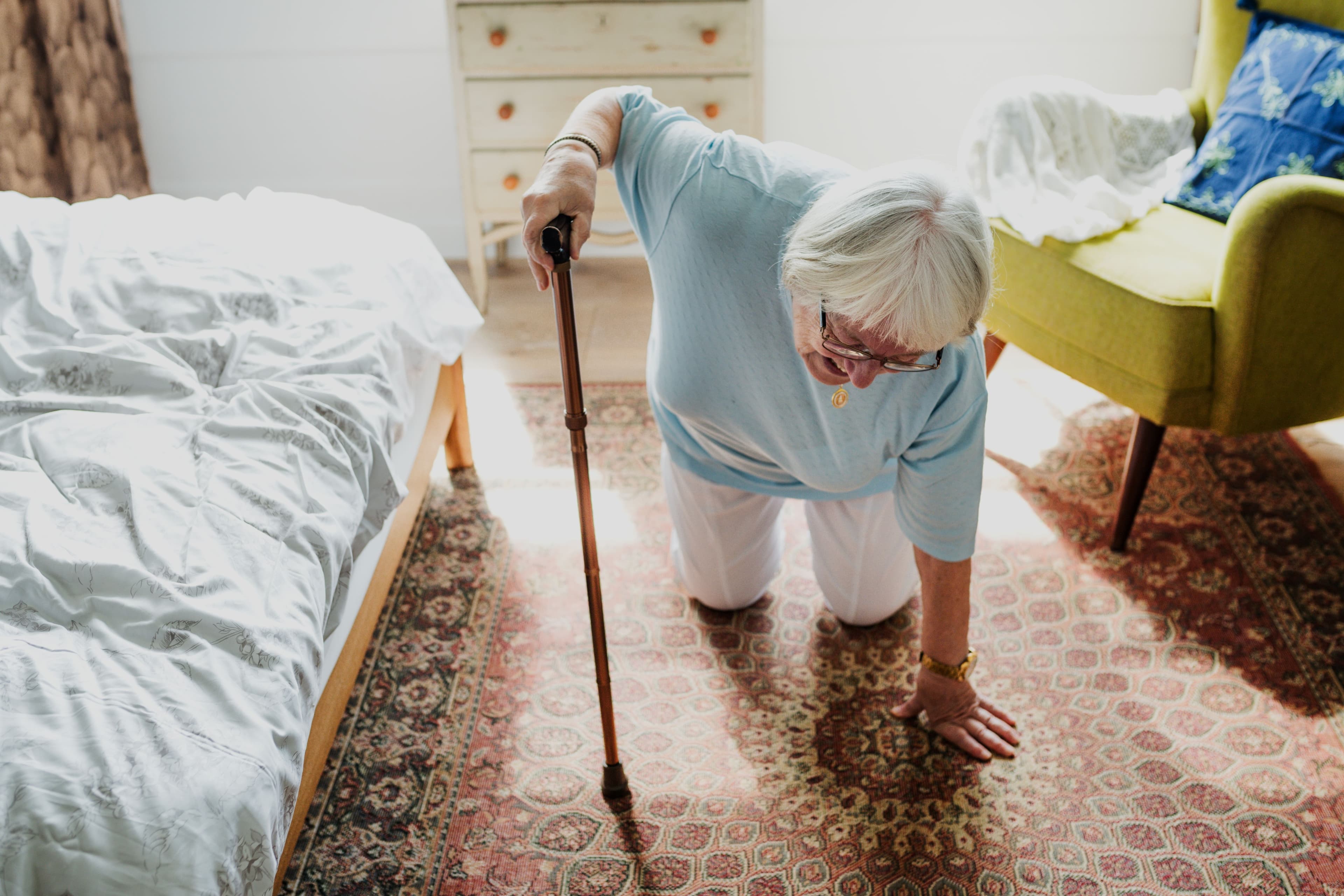
Nursing home abuse and neglect put vulnerable residents at serious risk, leading to malnutrition, dehydration, infections, and preventable injuries. When facilities fail to provide adequate care, residents suffer, and families are left feeling helpless. Lack of supervision, improper medical treatment, and unsafe conditions can result in devastating harm. Understanding the warning signs, knowing your legal rights, and holding negligent facilities accountable are crucial steps in protecting your loved ones. Learn how to take action and seek justice.
March 5, 2026
3 min
Falls are one of the most common and dangerous incidents affecting elderly residents in nursing homes. For seniors, even a minor fall can lead to devastating consequences — including broken hips, head injuries, and a rapid decline in overall health. At Michael Hill Trial Law, we often hear from families who initially believed a fall was simply an unavoidable accident, only to later discover that it may have been preventable.
While aging and mobility challenges increase fall risk, nursing homes are legally required to take reasonable steps to protect residents from foreseeable harm. When a facility fails to provide adequate supervision, proper safety measures, or individualized care planning, a fall may be the result of negligence rather than chance.
Understanding how falls happen in nursing homes, what preventive measures should be in place, and when legal responsibility may arise can help families protect their loved ones and seek accountability when necessary.
Many nursing home residents have physical limitations, chronic illnesses, or cognitive impairments that increase the likelihood of falling. However, these risks are well known within the healthcare community, which means facilities must actively work to reduce them.
Common risk factors include:
Because these factors are predictable, nursing homes must assess each resident’s fall risk and implement preventive strategies.
A fall risk assessment is a medical evaluation used to determine how likely a resident is to fall and what precautions should be taken. These assessments are typically performed upon admission and updated regularly as a resident’s condition changes.
A thorough assessment may consider:
Once risk factors are identified, the facility should create a personalized care plan designed to minimize the risk of injury.
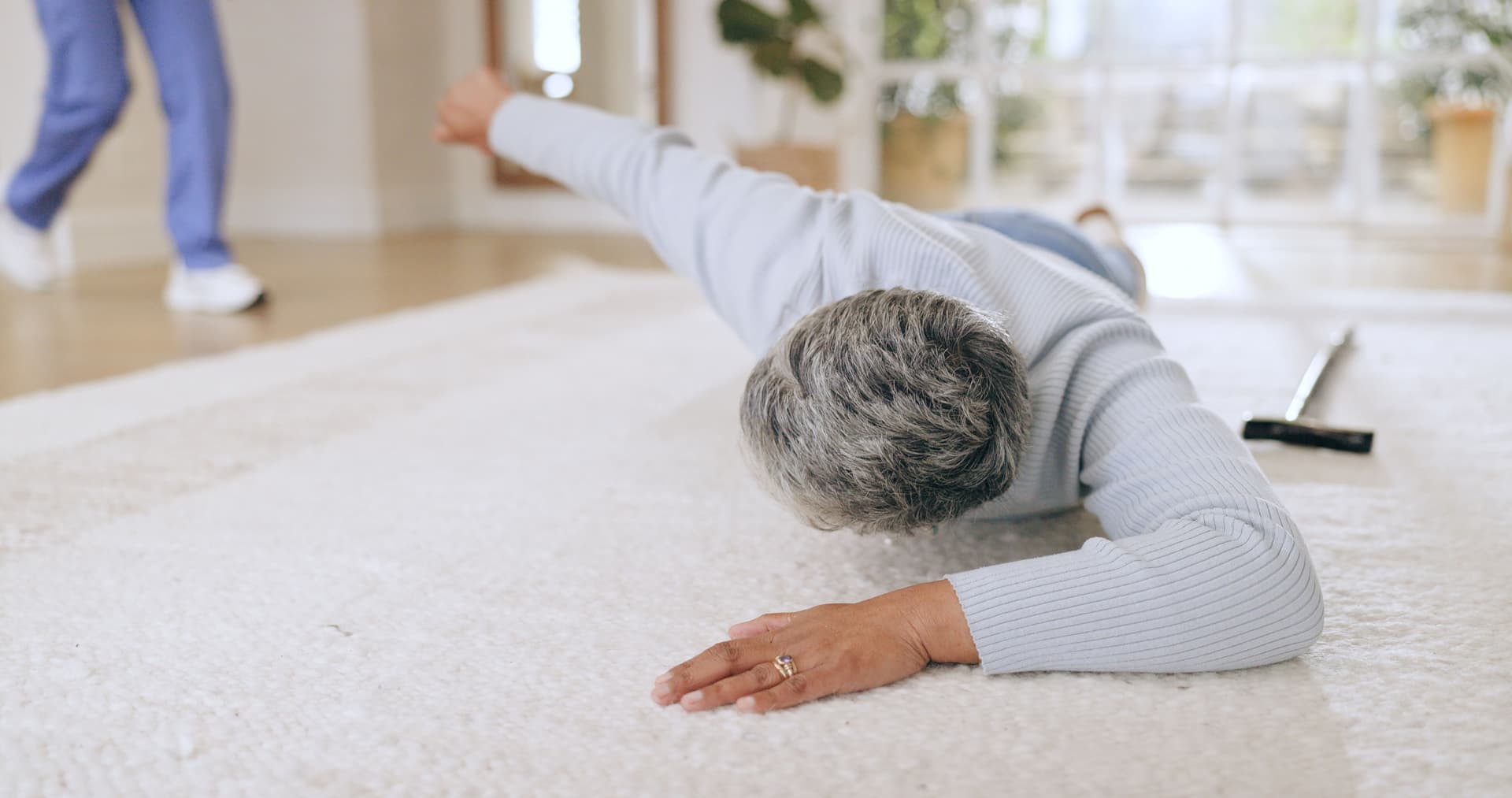
When a resident is identified as being at risk of falling, nursing homes must take proactive steps to protect them.
Preventive measures may include:
Facilities that ignore known risks or fail to implement reasonable safeguards may place residents in unnecessary danger.
Adequate staffing is critical to preventing falls. Many falls occur when residents attempt to stand, walk, or transfer without assistance.
When staffing levels are too low:
Chronic understaffing is one of the most common contributing factors behind preventable nursing home injuries.
Not every fall automatically means the nursing home was negligent. However, certain circumstances suggest that proper care standards may not have been followed.
A facility may be responsible if:
In these situations, the fall may have been foreseeable and preventable.
For elderly residents, falls often lead to injuries that dramatically affect health and independence.
Common fall-related injuries include:
In some cases, complications from a fall can result in long-term disability or even wrongful death.
Families are often told that a fall was unavoidable or simply the result of aging. While this may be true in some cases, it can also be a way for facilities to avoid scrutiny.
Facilities may attempt to:
This is why careful documentation and independent review can be important when a serious fall occurs.
If your loved one suffers a fall in a nursing home, taking prompt action can help protect both their health and their rights.
Important steps include:
Early investigation can help determine whether the fall was truly unavoidable or the result of preventable negligence.
At Michael Hill Trial Law, we understand how frightening and frustrating it can be to learn that a loved one was injured while under professional care. Falls often reveal deeper issues within a facility, including inadequate staffing, poor supervision, or failure to follow care plans.
Our firm focuses on cases involving nursing home negligence, preventable injuries, and violations of elderly residents’ rights. We work with families to investigate incidents, uncover patterns of unsafe practices, and pursue accountability when facilities fail to protect vulnerable residents.
While not every fall can be avoided, nursing homes have a responsibility to take reasonable steps to reduce risk and protect residents from foreseeable harm. When facilities fail to meet these obligations, families deserve answers and accountability.
If your loved one has suffered a serious fall in a nursing home, understanding your legal options can help you protect their safety and dignity.
Michael Hill Trial Law is dedicated to protecting elderly residents and supporting families throughout Ohio and across the United States.
Contact Michael Hill Trial Law to learn how the firm can help you pursue accountability and safer nursing home care.