Nursing home abuse and neglect put vulnerable residents at serious risk, leading to malnutrition, dehydration, infections, and preventable injuries. When facilities fail to provide adequate care, residents suffer, and families are left feeling helpless. Lack of supervision, improper medical treatment, and unsafe conditions can result in devastating harm. Understanding the warning signs, knowing your legal rights, and holding negligent facilities accountable are crucial steps in protecting your loved ones. Learn how to take action and seek justice.
May 14, 2026
3 min
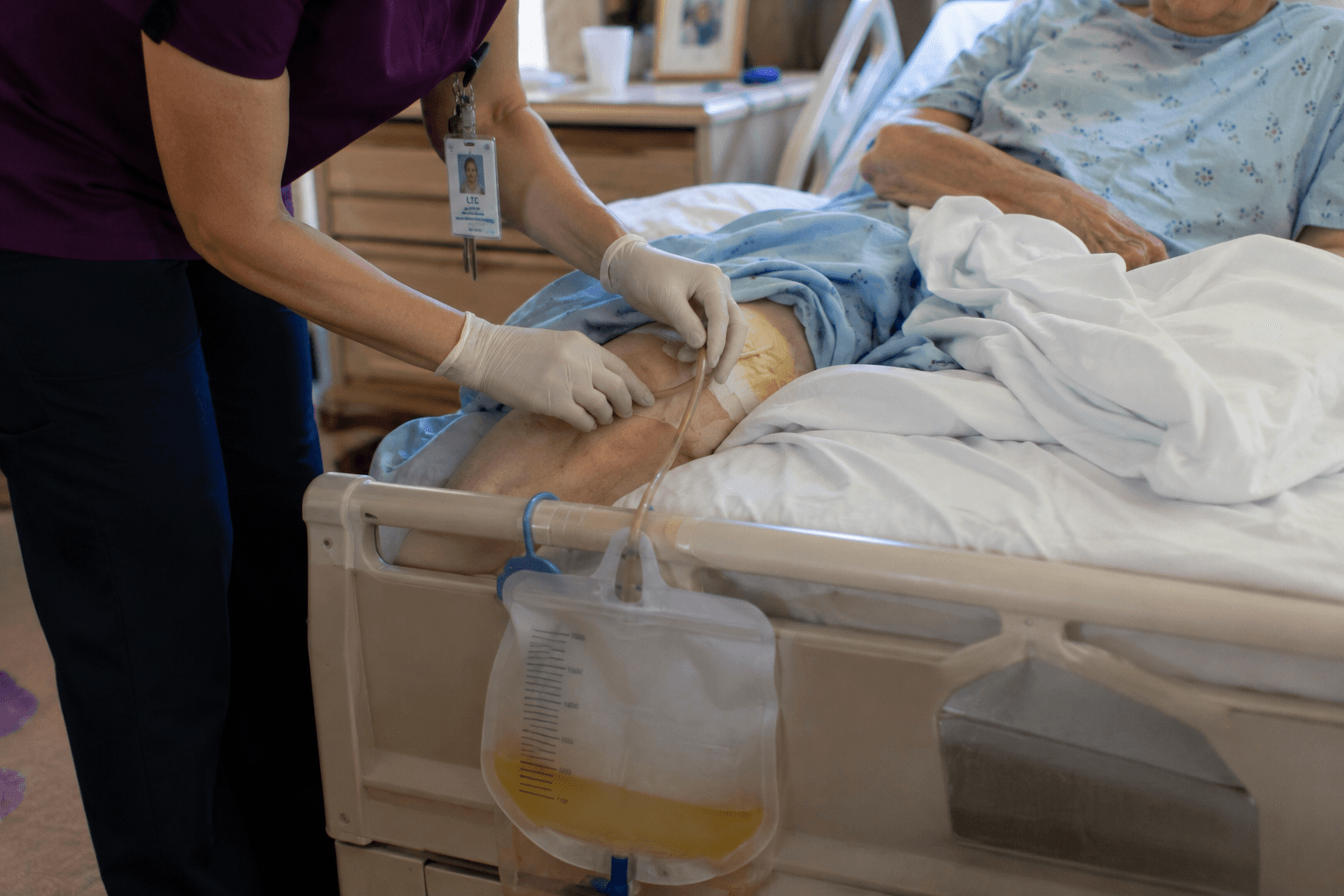
For many nursing home residents, catheters are medically necessary devices used to assist with bladder function and other health conditions. While catheters can improve comfort and medical management when properly maintained, they also require careful monitoring, hygiene, and professional handling.
When nursing homes fail to provide appropriate catheter care, residents can suffer painful infections and severe complications that may have been preventable.
At Michael Hill Trial Law, we often see cases where residents developed serious medical issues because basic catheter care standards were ignored. These situations frequently involve more than isolated mistakes — they may reflect broader problems with staffing, supervision, or infection control practices.
Understanding the risks associated with improper catheter care can help families recognize when a nursing home may not be providing adequate medical attention.
Catheters create a direct pathway into the body, which means they must be managed carefully to reduce the risk of infection and injury. Elderly residents are especially vulnerable because they often have weakened immune systems or chronic medical conditions.
Proper catheter care helps:
Without proper hygiene and monitoring, even minor issues can escalate quickly.
When catheters are not properly maintained, residents may experience a range of painful and dangerous complications.
Common issues include:
In severe cases, untreated infections may spread into the bloodstream and become life-threatening.
Catheter-related complications are often preventable when facilities follow proper procedures. Unfortunately, failures in care are not uncommon.
These failures may include:
These issues may place residents at unnecessary risk.
Infection prevention is one of the most important aspects of catheter care. Staff must follow strict hygiene procedures whenever handling catheters or drainage systems.
When hygiene standards are ignored, bacteria can enter the urinary tract and spread rapidly.
Risk factors may increase when:
These situations can create dangerous medical complications for vulnerable residents.
Families may notice signs that a loved one is experiencing catheter-related problems, even if they are not immediately told about complications.
Warning signs may include:
If these symptoms are present, prompt medical attention may be necessary.
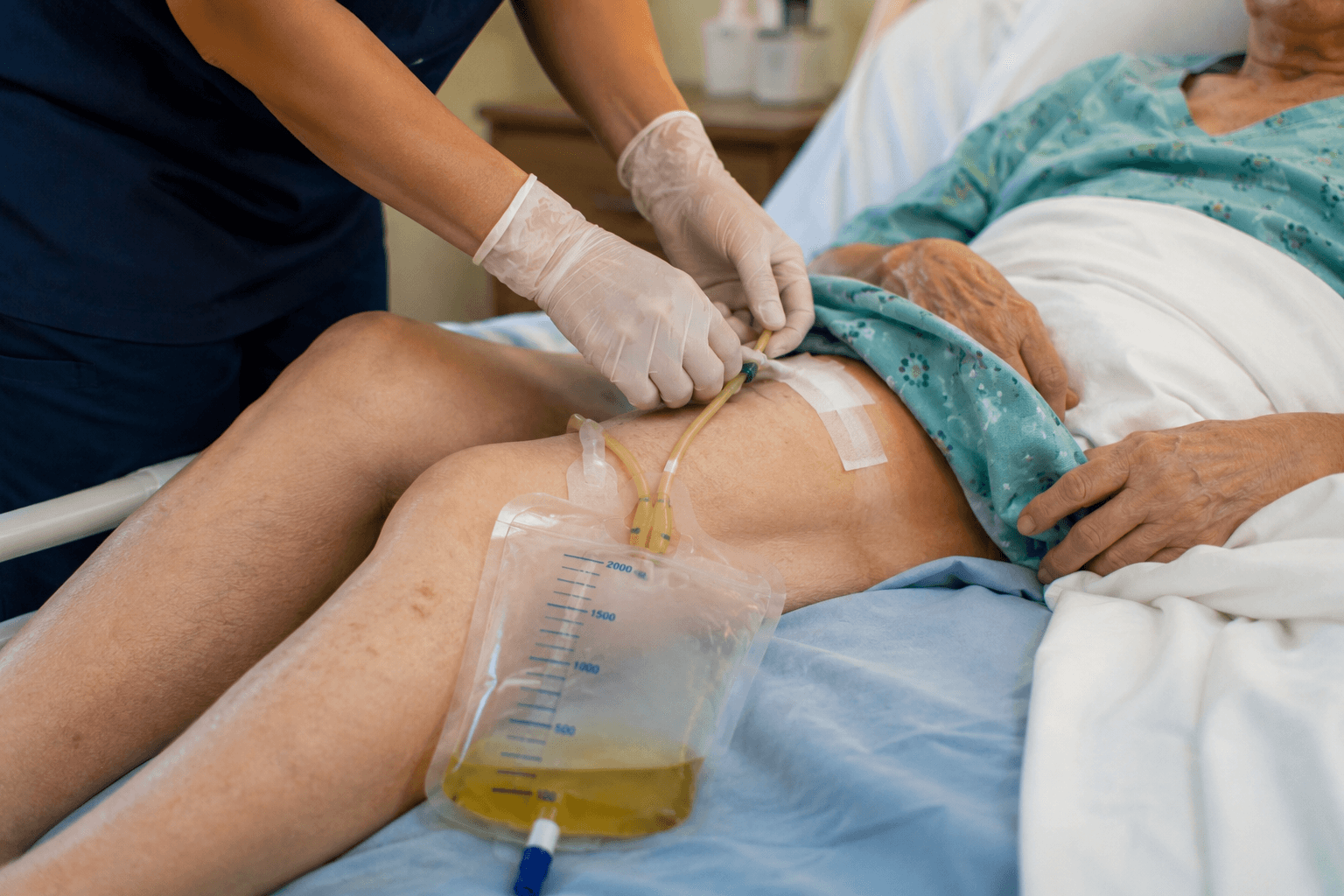
Not every catheter-related infection automatically means a nursing home acted negligently. However, when facilities fail to follow basic medical and hygiene standards, legal concerns may arise.
A nursing home may be considered negligent if:
In these situations, the complications may have been avoidable with proper care.
Improper catheter care affects more than physical health. Residents may experience embarrassment, discomfort, anxiety, and loss of dignity when these issues are not handled appropriately.
Many residents become fearful of movement or daily activities due to pain and discomfort. Infections and repeated complications can also lead to hospitalization and long-term decline.
This emotional and physical impact can significantly reduce quality of life.
Proper catheter care requires trained staff who understand infection prevention and recognize early warning signs.
Facilities should ensure caregivers are properly educated on:
When staffing is inadequate or training is lacking, residents face greater risks of preventable harm.
At Michael Hill Trial Law, we understand how serious catheter-related complications can become when nursing homes fail to provide proper care. These cases often involve preventable infections and unnecessary suffering.
Our firm focuses on cases involving nursing home negligence, poor hygiene practices, and failures in medical care for elderly residents. We work with families to determine whether facilities followed proper standards and whether better care could have prevented harm.
Catheters require careful attention, hygiene, and monitoring. When nursing homes fail to meet these responsibilities, residents may suffer painful and dangerous complications.
Families trust nursing homes to provide professional medical care — including proper management of medical devices and infection prevention.
If your loved one experienced complications related to improper catheter care in a nursing home, it may be important to understand your legal options.
Michael Hill Trial Law is dedicated to protecting elderly residents and supporting families throughout Ohio and across the United States.
Contact Michael Hill Trial Law to learn how the firm can help you pursue accountability and ensure safe, respectful care.