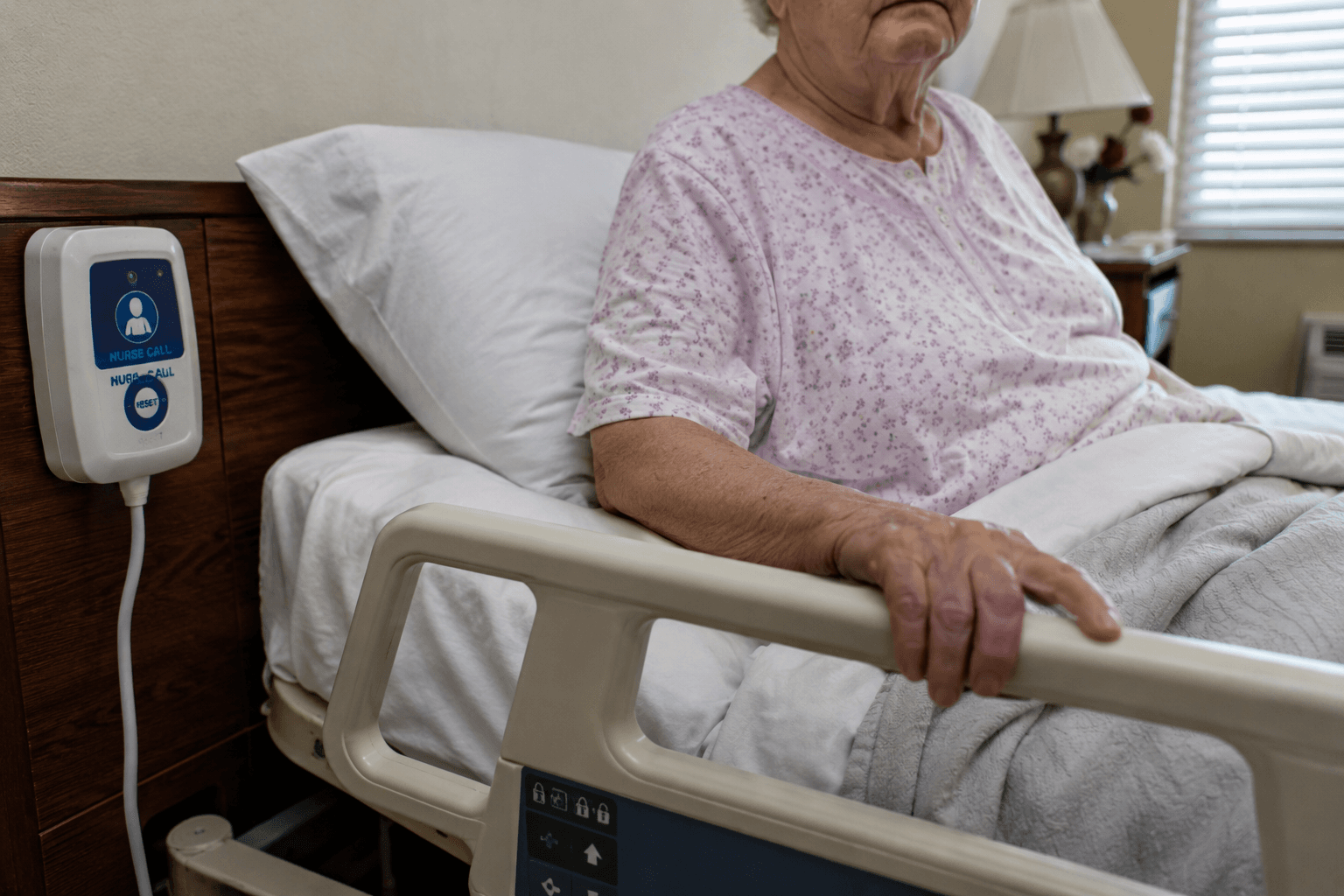
Nursing home abuse and neglect put vulnerable residents at serious risk, leading to malnutrition, dehydration, infections, and preventable injuries. When facilities fail to provide adequate care, residents suffer, and families are left feeling helpless. Lack of supervision, improper medical treatment, and unsafe conditions can result in devastating harm. Understanding the warning signs, knowing your legal rights, and holding negligent facilities accountable are crucial steps in protecting your loved ones. Learn how to take action and seek justice.
May 14, 2026
3 min
Bed alarms are commonly used in nursing homes to help protect residents who are at risk of falling or wandering. These systems are designed to alert staff when a resident attempts to leave a bed without assistance, allowing caregivers to respond quickly before an accident occurs.
However, when bed alarms are improperly managed — or ignored altogether — the very systems meant to improve safety can become ineffective.
At Michael Hill Trial Law, we frequently see cases where residents suffered serious injuries because nursing homes failed to use bed alarms properly, failed to respond to alerts, or relied on malfunctioning equipment. In many situations, these incidents could have been prevented with better supervision and proper safety procedures.
Understanding how bed alarm failures happen is important for families trying to ensure their loved ones are receiving safe care.
Bed alarms are monitoring devices that alert caregivers when a resident attempts to get out of bed. They are commonly used for residents who:
The goal of these systems is simple: notify staff before a resident falls or wanders into an unsafe situation.
Bed alarms may include pressure-sensitive pads, motion sensors, or wireless alert systems connected to nursing stations.
Bed alarms can only improve safety if they are used correctly and monitored consistently. Simply installing an alarm is not enough.
Staff must ensure that:
When these steps are ignored, residents may be left vulnerable despite having a safety system in place.
In many nursing homes, bed alarm systems are not managed appropriately. These failures may involve equipment issues, poor supervision, or staff inattention.
Common problems include:
These situations can significantly increase the risk of injury.
When a resident attempts to get out of bed without assistance, even a short delay in response can lead to dangerous accidents.
Potential consequences include:
For elderly residents, these injuries can have long-term effects on overall health and quality of life.
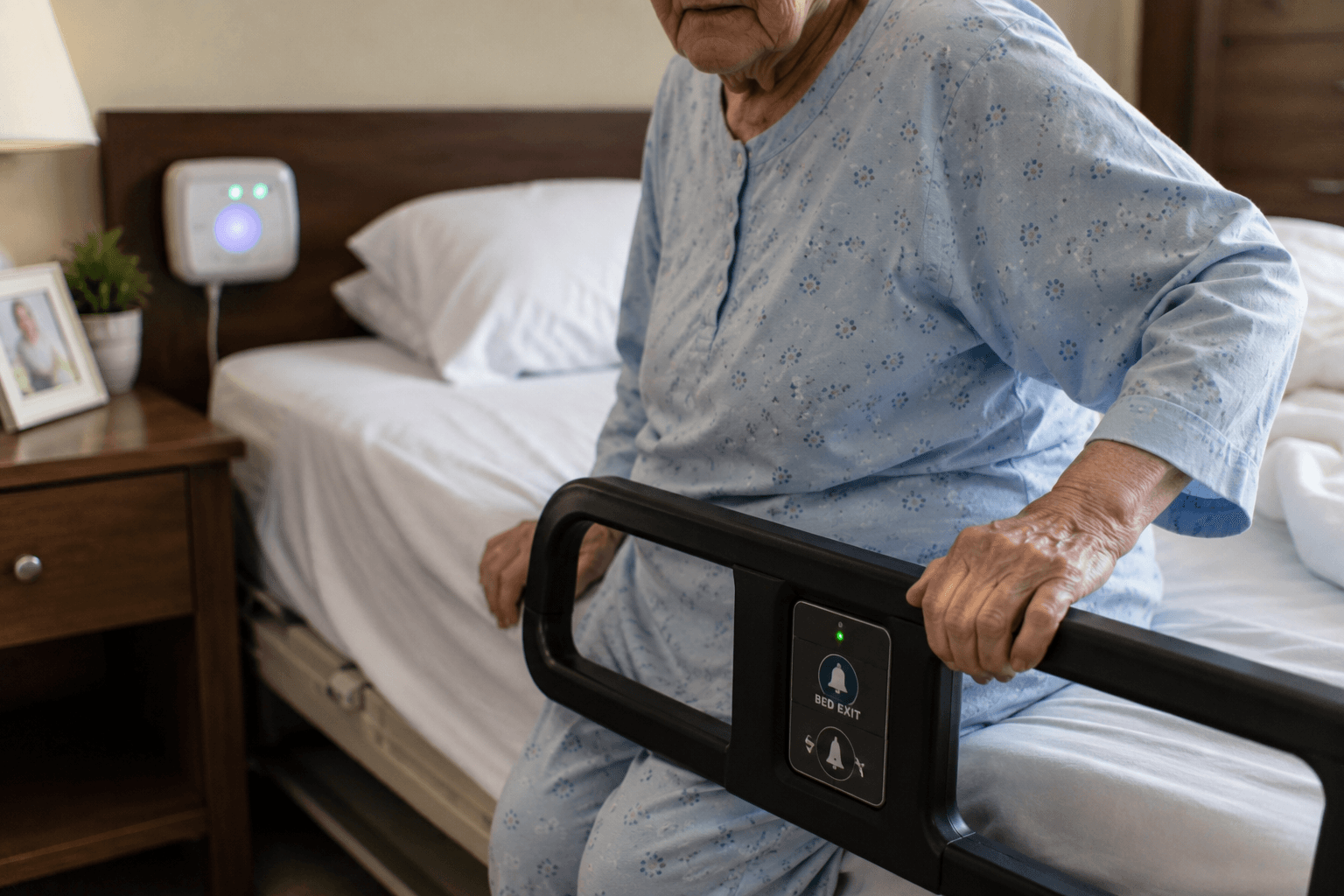
One of the most common reasons alarms go unanswered is understaffing. When too few caregivers are responsible for too many residents, staff may not be able to respond quickly enough.
In understaffed facilities:
This creates an environment where preventable accidents become more likely.
Not every fall involving a bed alarm automatically means a nursing home acted negligently. However, legal concerns may arise when facilities fail to use reasonable safety precautions.
A nursing home may be considered negligent if:
In these situations, the harm suffered may have been avoidable.
Families may notice signs that bed alarm systems are not being properly managed.
Warning signs may include:
If these patterns appear, they may indicate broader safety concerns within the facility.
Bed alarms should never be the only safety measure used for a resident at risk of falling. Effective nursing homes combine alarms with individualized care plans tailored to each resident’s needs.
These plans may include:
When facilities rely too heavily on alarms without proper supervision, safety gaps may occur.
At Michael Hill Trial Law, we understand how devastating preventable falls and injuries can be for nursing home residents and their families. Bed alarm failures often reveal deeper issues involving staffing, supervision, and safety management.
Our firm focuses on cases involving nursing home negligence, fall-related injuries, and failures in resident safety procedures. We work with families to investigate whether proper precautions were taken and whether facilities met accepted care standards.
Bed alarms are intended to protect vulnerable residents — but they are only effective when nursing homes use them responsibly and respond appropriately.
Residents deserve environments where safety systems are functional, monitored, and supported by attentive care.
If your loved one suffered injuries after a bed alarm failure or delayed response in a nursing home, it may be important to understand your legal options.
Michael Hill Trial Law is dedicated to protecting elderly residents and supporting families throughout Ohio and across the United States.
Contact Michael Hill Trial Law to learn how the firm can help you pursue accountability and ensure safer care for your loved one.