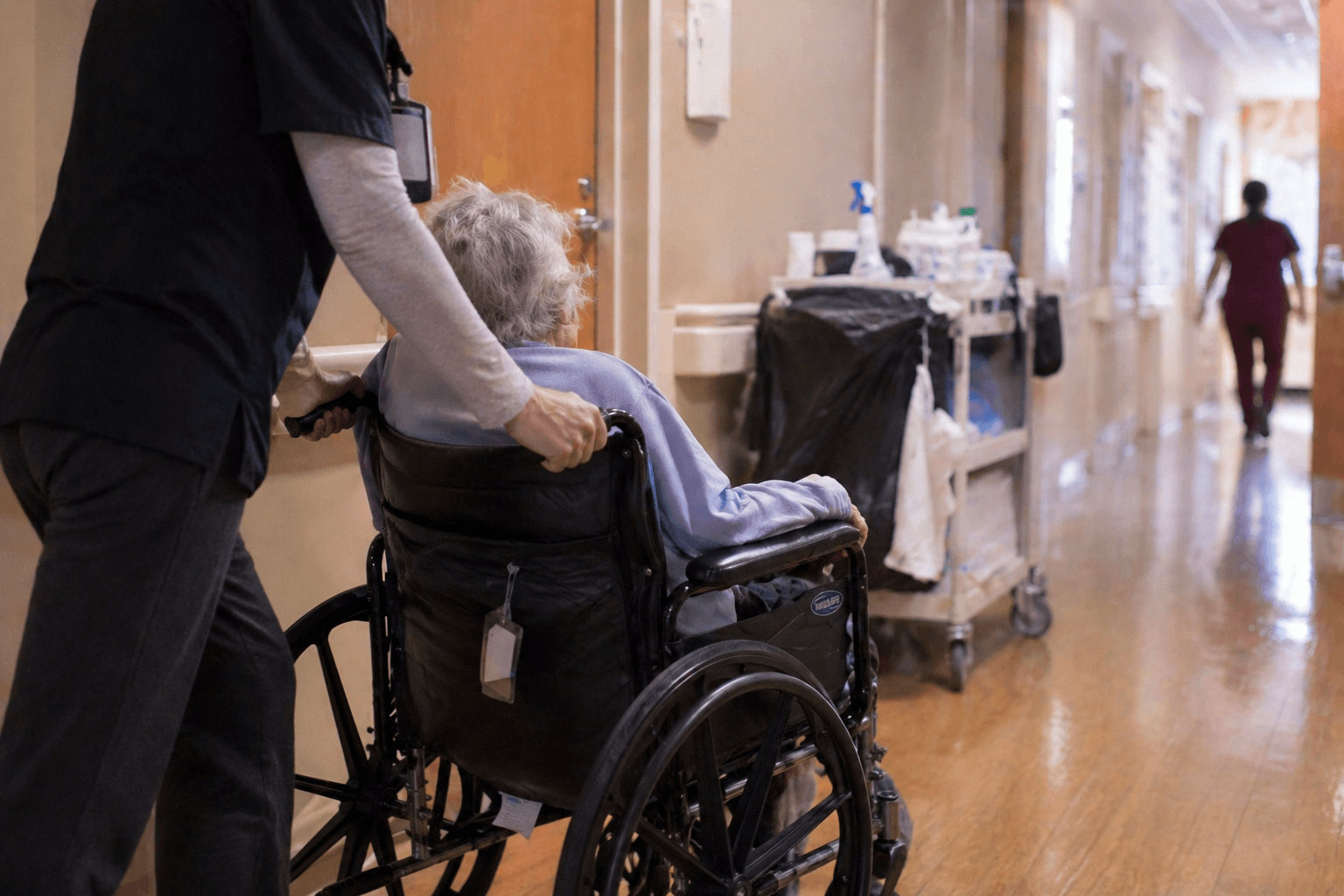
Nursing home abuse and neglect put vulnerable residents at serious risk, leading to malnutrition, dehydration, infections, and preventable injuries. When facilities fail to provide adequate care, residents suffer, and families are left feeling helpless. Lack of supervision, improper medical treatment, and unsafe conditions can result in devastating harm. Understanding the warning signs, knowing your legal rights, and holding negligent facilities accountable are crucial steps in protecting your loved ones. Learn how to take action and seek justice.
April 29, 2026
3 min
When families choose a nursing home, they trust that the staff caring for their loved one is properly trained, qualified, and prepared to handle a wide range of medical and daily care needs. From assisting with mobility to recognizing medical emergencies, caregivers play a critical role in maintaining residents’ safety.
But what happens when staff are not properly trained?
At Michael Hill Trial Law, we often see cases where injuries, medical errors, and neglect are not simply the result of bad decisions — but of inadequate training and lack of preparation. In these situations, staff may not recognize warning signs, may perform tasks incorrectly, or may fail to respond appropriately in critical moments.
Understanding the role of staff training in nursing home care is essential for identifying when something has gone wrong.
Nursing home staff are responsible for caring for individuals who are often medically fragile, cognitively impaired, or physically dependent. This requires more than basic caregiving — it requires specialized knowledge and consistent training.
Proper training ensures that staff can:
Without adequate training, even routine tasks can become dangerous.
Nursing home staff should receive both initial training and ongoing education to maintain high standards of care. This training should be tailored to the needs of elderly residents.
Core areas of training typically include:
Facilities are responsible for ensuring that all staff members are properly trained before providing care.

When staff are not properly trained, mistakes are more likely to occur. These errors may seem small at first, but they can quickly lead to serious consequences.
For example, a caregiver who is not trained in proper transfer techniques may cause a resident to fall. A staff member who does not recognize early signs of infection may fail to report a serious condition.
Common issues linked to poor training include:
These failures often reflect gaps in training rather than isolated incidents.
Inadequate staff training can be a key factor in determining whether a nursing home acted negligently. Facilities have a responsibility to ensure that employees are capable of performing their duties safely and effectively.
A nursing home may be considered negligent if it:
In these situations, the facility — not just the individual staff member — may be held responsible.
Training failures can appear in many forms, often in situations where proper knowledge would have made a difference.
Examples may include:
These situations highlight how critical training is in preventing harm.
Families may not always know the level of training staff have received, but there are signs that may indicate a problem.
These signs often appear in how staff interact with residents and handle care tasks.
Warning signs include:
If these patterns are observed, they may point to deeper issues within the facility.
Proper training does not happen automatically — it requires active management and oversight. Nursing homes must invest in training programs, monitor staff performance, and address gaps when they arise.
Without strong leadership, training standards may decline, leading to increased risk for residents.
Effective oversight includes:
These systems help ensure consistent and safe care.
At Michael Hill Trial Law, we understand that inadequate training is often at the root of serious nursing home incidents. Families may not immediately realize that a lack of training contributed to what happened.
Our firm focuses on cases involving nursing home negligence, improper care, and preventable harm to elderly residents. We work to identify whether staff were properly trained and whether the facility fulfilled its responsibility to provide competent care.
Caring for elderly residents requires skill, attention, and preparation. When nursing homes fail to properly train their staff, the risk of harm increases significantly.
Residents deserve caregivers who are equipped to meet their needs safely and professionally.
If you believe your loved one may have been harmed due to inadequate staff training in a nursing home, it may be important to explore your legal options.
Michael Hill Trial Law is dedicated to protecting elderly residents and supporting families throughout Ohio and across the United States.
Contact Michael Hill Trial Law to learn how the firm can help you pursue accountability and ensure safe, qualified care.