Nursing home abuse and neglect put vulnerable residents at serious risk, leading to malnutrition, dehydration, infections, and preventable injuries. When facilities fail to provide adequate care, residents suffer, and families are left feeling helpless. Lack of supervision, improper medical treatment, and unsafe conditions can result in devastating harm. Understanding the warning signs, knowing your legal rights, and holding negligent facilities accountable are crucial steps in protecting your loved ones. Learn how to take action and seek justice.
March 26, 2026
3 min
When families choose a nursing home for a loved one, they are placing trust in the facility to provide not only medical care, but also constant supervision and protection. Many residents require assistance with basic daily activities and may be unable to recognize or avoid danger on their own.
At Michael Hill Trial Law, we often see cases where injuries could have been prevented with proper oversight. A fall, an untreated medical issue, or even an incident involving another resident is frequently not an isolated accident — but rather a sign of insufficient supervision.
Supervision is one of the most fundamental responsibilities of a nursing home. When it is lacking, the consequences can be immediate and severe.
Supervision in a nursing home goes far beyond simply having staff present in the building. It involves actively monitoring residents, understanding their individual risks, and responding quickly when assistance is needed.
Each resident has unique needs. Some may require constant observation due to cognitive conditions like dementia, while others may need help with mobility, medication, or daily routines.
Proper supervision includes:
When these responsibilities are not consistently met, residents are placed at risk.
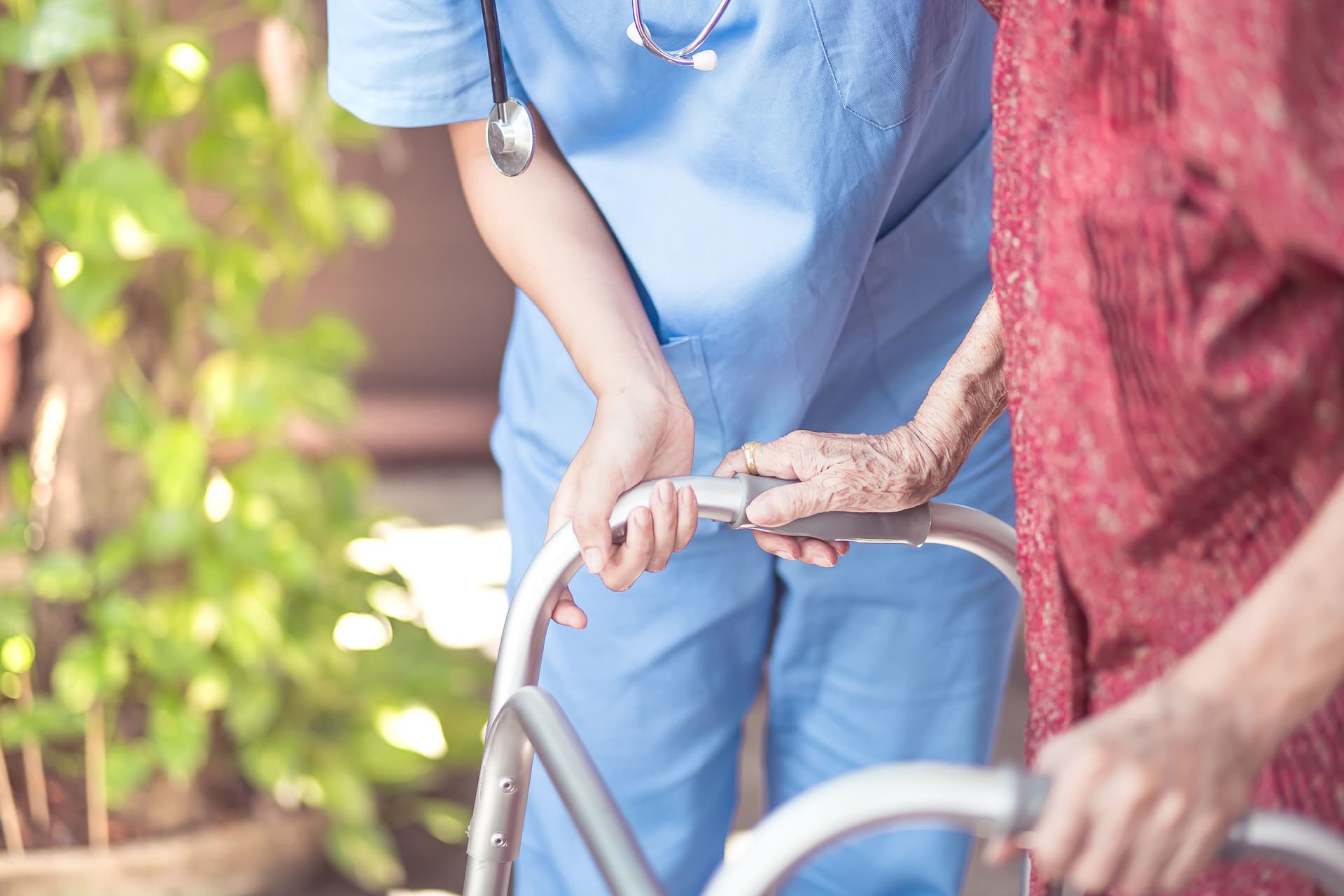
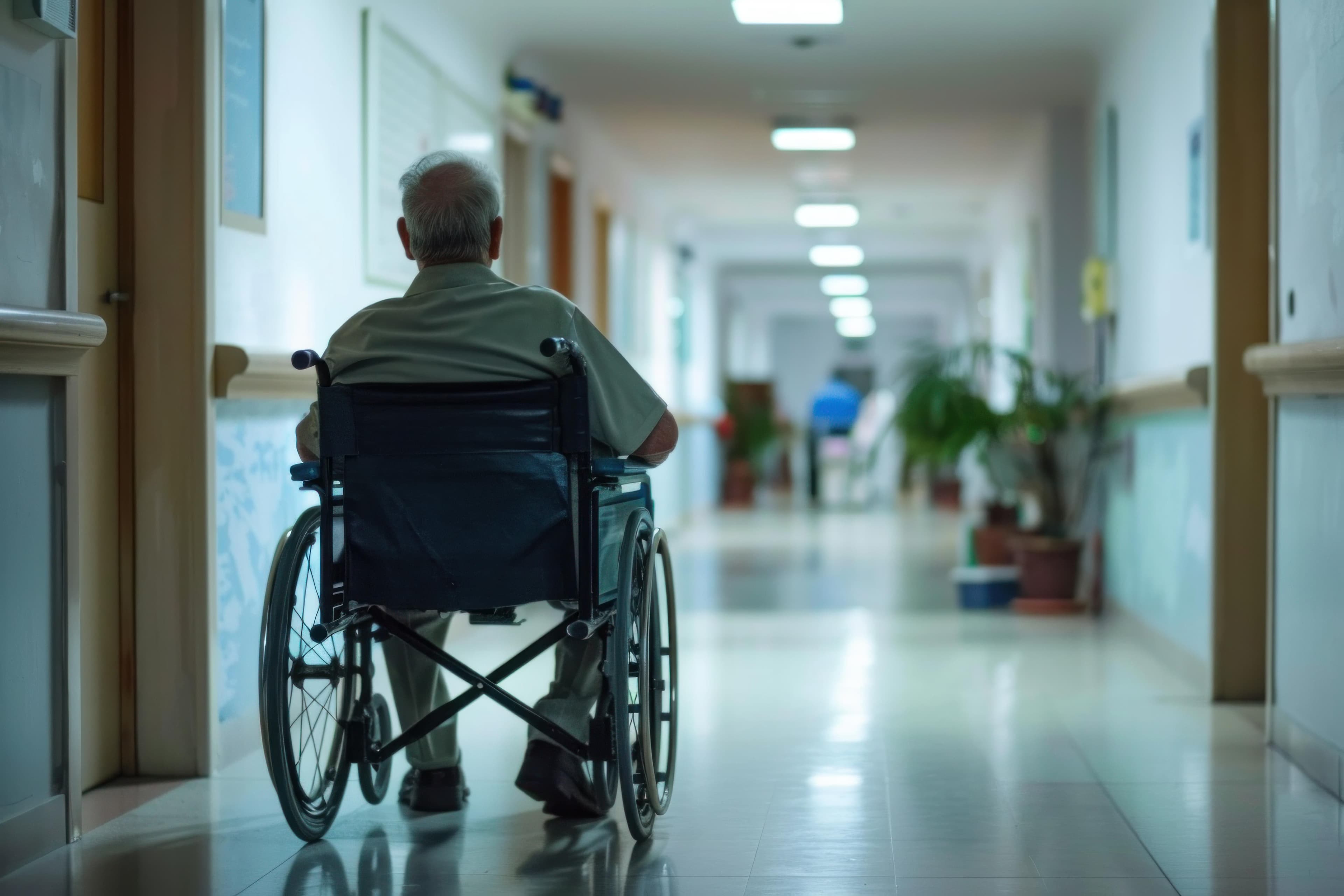
Elderly individuals often face physical and cognitive limitations that make them more vulnerable to injury. A moment without supervision can be enough for something to go wrong.
For example, a resident may attempt to get out of bed without assistance, wander into an unsafe area, or interact with another resident in a way that leads to harm. Without proper supervision, staff may not be able to intervene in time.
This is especially important for residents who:
Because these risks are known, nursing homes are expected to plan for them.
When supervision is inadequate, a wide range of preventable incidents can occur. These are often the same types of injuries that families later question.
Some of the most common include:
In many of these cases, timely supervision could have prevented the outcome.
One of the leading causes of inadequate supervision is understaffing. When too few caregivers are responsible for too many residents, it becomes difficult to monitor everyone effectively.
Even well-trained staff may struggle to keep up with responsibilities when workloads are too high. As a result, important warning signs can be missed, and response times may be delayed.
Understaffing may lead to situations such as:
These systemic issues often contribute to patterns of neglect.
Not every injury in a nursing home automatically means the facility is at fault. However, when a resident is harmed because staff failed to provide reasonable supervision, the situation may rise to the level of negligence.
A nursing home may be responsible if it failed to anticipate known risks or did not take appropriate steps to prevent harm.
Examples of potential negligence include:
When these failures lead to injury, families may have grounds to seek accountability.
Families often notice subtle warning signs before a serious incident occurs. Paying attention to these signs can help identify problems early.
Some indicators of inadequate supervision include residents frequently appearing unattended, delays in staff response, or unexplained injuries. Inconsistent communication from staff may also raise concerns.
Other red flags may include:
If these issues are observed repeatedly, they may point to a larger problem.
At Michael Hill Trial Law, we understand how frustrating and upsetting it can be to learn that a loved one was injured because they were not properly supervised. These cases often involve preventable incidents that should never have occurred.
Our firm focuses on cases involving nursing home negligence, inadequate supervision, and preventable injuries to elderly residents. By reviewing care plans, staffing levels, and incident reports, we work to determine whether the facility met its legal obligations.
Nursing homes are entrusted with the care of some of the most vulnerable members of our communities. Providing proper supervision is not optional — it is a fundamental duty.
When that duty is neglected, residents may suffer unnecessary harm. Families deserve answers, and in some cases, accountability.
If you believe your loved one was injured due to lack of proper supervision in a nursing home, understanding your legal options is an important step forward.
Michael Hill Trial Law is dedicated to protecting elderly residents and supporting families throughout Ohio and across the United States.
Contact Michael Hill Trial Law to learn how the firm can help you pursue accountability and safer nursing home care.