
Nursing home abuse and neglect put vulnerable residents at serious risk, leading to malnutrition, dehydration, infections, and preventable injuries. When facilities fail to provide adequate care, residents suffer, and families are left feeling helpless. Lack of supervision, improper medical treatment, and unsafe conditions can result in devastating harm. Understanding the warning signs, knowing your legal rights, and holding negligent facilities accountable are crucial steps in protecting your loved ones. Learn how to take action and seek justice.
April 8, 2026
3 min
Medication is one of the most critical components of care in a nursing home. Many residents rely on multiple prescriptions to manage chronic conditions, control pain, or support recovery. When administered correctly, these medications can significantly improve quality of life. But when mistakes happen, the consequences can be severe — and sometimes life-threatening.
At Michael Hill Trial Law, we frequently work with families who discover that a loved one’s decline was not inevitable, but instead linked to a medication error that could have been prevented. These errors are often dismissed as simple mistakes, but in reality, they may point to deeper issues within the facility.
Understanding how medication errors occur — and when they may rise to the level of negligence — is essential for protecting elderly residents.
A medication error occurs when a resident does not receive their prescribed medication as intended. This can involve giving the wrong drug, the wrong dose, or administering medication at the wrong time.
In a nursing home setting, where residents may take several medications daily, accuracy and consistency are essential. Even small errors can have a significant impact on a resident’s health.
Medication errors may include:
These are not minor issues — they can directly affect a resident’s safety.
Elderly individuals are particularly vulnerable to medication errors due to a combination of factors. Many residents take multiple medications, which increases the risk of confusion or interaction between drugs.
In addition, older adults may process medications differently, making them more sensitive to dosage changes or timing issues.
Factors that increase risk include:
Because of these risks, nursing homes are expected to follow strict medication management protocols.
Medication errors are often not isolated incidents. They may result from systemic issues within the facility, including understaffing, poor training, or lack of proper oversight.
In some cases, staff may be rushed or distracted, leading to mistakes. In others, communication breakdowns between healthcare providers and caregivers can result in incorrect administration.
Common causes include:
These failures often reflect deeper problems in how care is managed.
The effects of a medication error can vary depending on the type of mistake and the resident’s health condition. However, even a single error can lead to serious complications.
Some potential consequences include:
In severe cases, medication errors can lead to hospitalization or even death.
Not every medication error automatically qualifies as legal negligence. However, when errors result from a failure to follow proper procedures or standards of care, the situation may become more serious.
A nursing home may be considered negligent if it fails to implement basic safeguards designed to prevent medication errors.
Examples that may indicate negligence include:
In these situations, the harm caused may have been preventable.
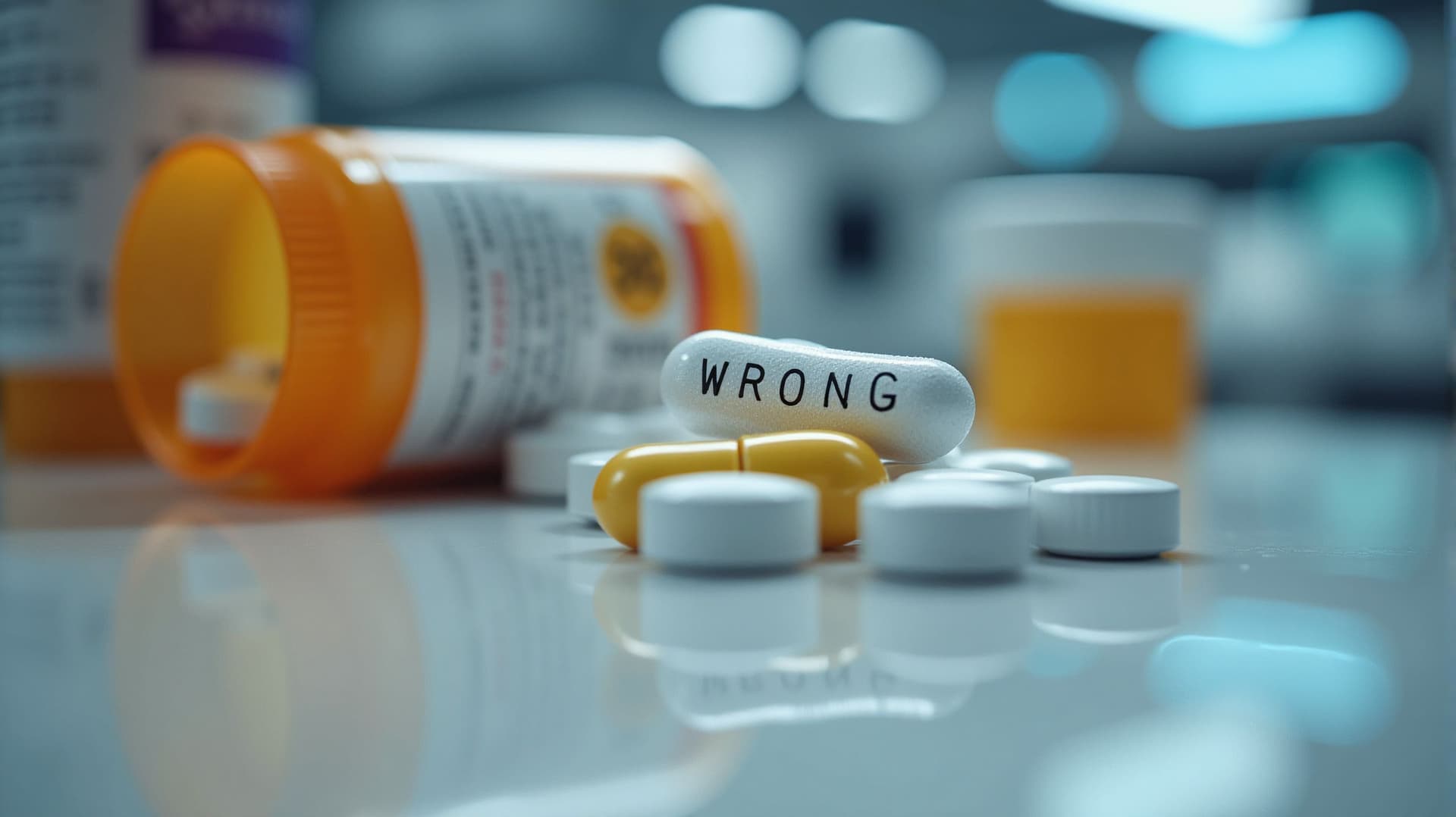
Medication errors are not always immediately obvious. However, there are signs that may indicate something is wrong.
Families should pay attention to changes in a loved one’s condition, especially if those changes seem sudden or unexplained.
Some warning signs include:
If these issues arise, it is important to ask questions and seek clarification.
Nursing homes are required to have systems in place to ensure medications are administered safely. This includes proper documentation, staff training, and ongoing monitoring of residents’ responses to medication.
When these systems are not followed, the risk of harm increases significantly.
Effective medication management should involve:
These are basic standards of care — not optional practices.
At Michael Hill Trial Law, we understand how devastating it can be to learn that a loved one was harmed by a preventable medication error. These cases often involve failures that should never have occurred in a properly managed facility.
Our firm focuses on cases involving nursing home negligence, medication errors, and preventable harm to elderly residents. We carefully review medical records, staff practices, and facility policies to determine whether proper standards were followed.
Medication errors are not just mistakes — they can be signs of deeper issues within a nursing home. Residents depend on staff to administer medications accurately and safely every day.
When that responsibility is not met, the consequences can be serious.
If you believe your loved one may have been affected by a medication error in a nursing home, it may be important to understand your legal options.
Michael Hill Trial Law is dedicated to protecting elderly residents and supporting families throughout Ohio and across the United States.
Contact Michael Hill Trial Law to learn how the firm can help you pursue accountability and ensure safe, proper care for your loved one.