
Nursing home abuse and neglect put vulnerable residents at serious risk, leading to malnutrition, dehydration, infections, and preventable injuries. When facilities fail to provide adequate care, residents suffer, and families are left feeling helpless. Lack of supervision, improper medical treatment, and unsafe conditions can result in devastating harm. Understanding the warning signs, knowing your legal rights, and holding negligent facilities accountable are crucial steps in protecting your loved ones. Learn how to take action and seek justice.
March 13, 2026
3 min
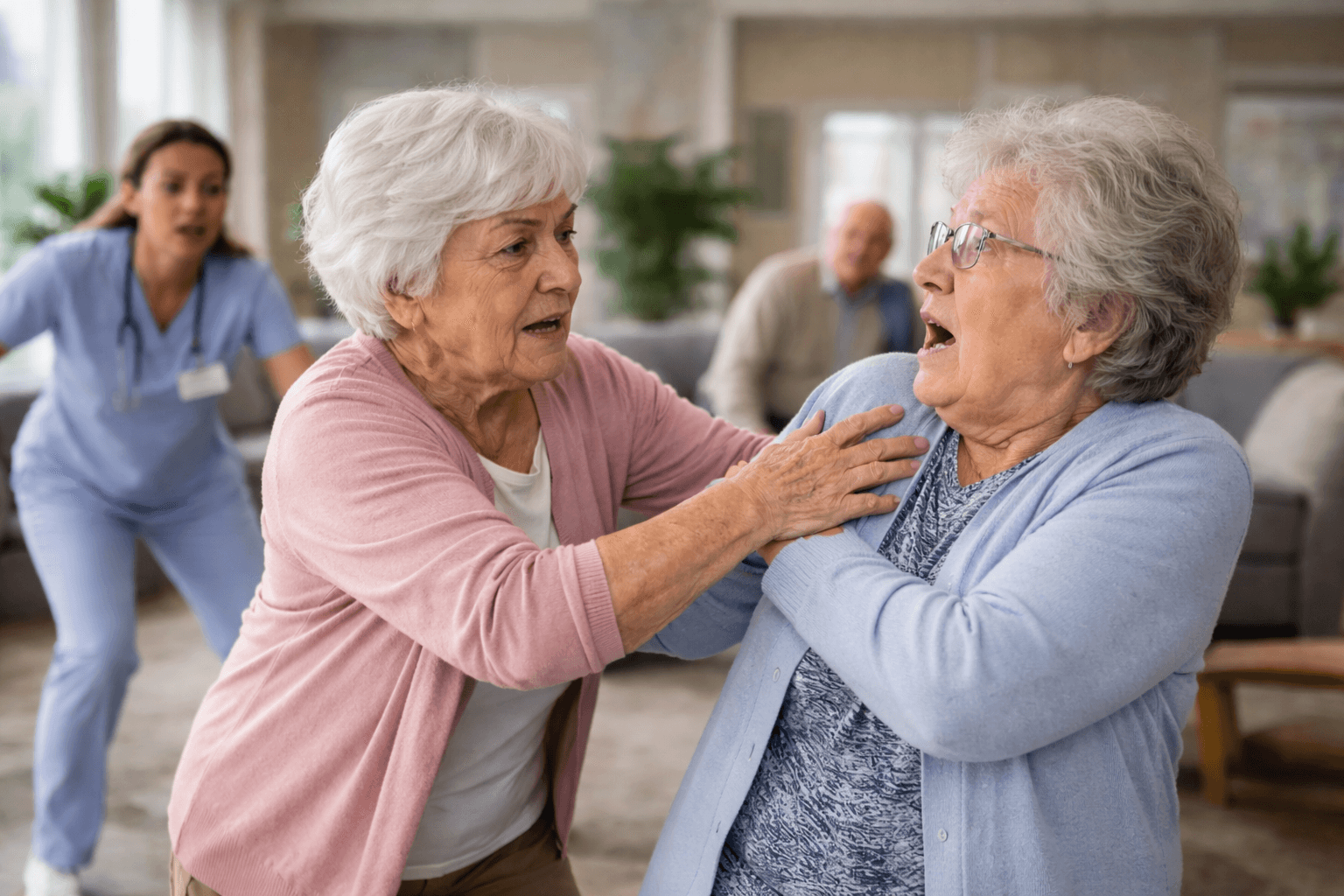
When families think about abuse in nursing homes, they often imagine mistreatment by staff members. However, a significant number of incidents in long-term care facilities involve abuse between residents themselves. These situations are sometimes referred to as resident-to-resident abuseand can occur when one resident harms or intimidates another.
At Michael Hill Trial Law, families often reach out after learning that a loved one was injured or frightened by another resident in a nursing home. These cases can be especially confusing because the person responsible for the harm may also be vulnerable or suffering from cognitive impairment. Even so, nursing homes have a legal duty to anticipate risks, supervise residents appropriately, and prevent foreseeable harm.
Understanding how resident-to-resident abuse occurs and when a facility may be responsible can help families recognize problems early and protect their loved ones.
Resident-to-resident abuse occurs when one nursing home resident harms another through physical, verbal, or emotional actions. Because many residents suffer from dementia, Alzheimer’s disease, or other cognitive conditions, aggressive behavior can sometimes arise unexpectedly.
These incidents can take several forms. Some involve physical violence, while others involve intimidation or harassment that causes emotional distress.
Examples of resident-to-resident abuse may include:
Although these incidents may involve residents with medical or cognitive challenges, facilities must still take reasonable steps to prevent them.
Nursing homes care for individuals with a wide range of physical and cognitive conditions. Some residents may struggle with memory loss, confusion, or behavioral changes that can lead to aggression or agitation.
In facilities that house many residents with dementia, behavioral symptoms such as wandering, agitation, and confusion are common. Without proper supervision and individualized care planning, these behaviors can sometimes escalate into confrontations between residents.
Several factors can increase the risk of resident-to-resident abuse:
While the presence of cognitive illness can explain certain behaviors, it does not excuse facilities from their responsibility to maintain a safe environment.
Supervision is one of the most important responsibilities nursing homes have when caring for vulnerable residents. Facilities must assess each resident’s condition and determine whether they present a risk to others.
If a resident has a history of aggression or confusion, staff should implement measures to reduce the likelihood of incidents. These precautions may include monitoring the resident more closely, adjusting room assignments, or modifying care plans.
Without adequate supervision, residents who are unable to protect themselves may become targets of aggression. This is why nursing homes must carefully evaluate behavioral risks and respond appropriately.
Some preventive steps facilities may use include:
When these precautions are not taken, the risk of injury increases significantly.
Even though the harm may be caused by another resident, the facility may still bear legal responsibility in certain circumstances. Nursing homes are required to protect residents from foreseeable risks, including threats posed by other residents.
A facility may be liable if it knew — or should have known — that a resident posed a danger and failed to act appropriately. For example, if staff were aware that a resident had a history of aggressive behavior but did not increase supervision or adjust care arrangements, the facility may have failed to meet its duty of care.
Situations that may raise concerns about negligence include:
When these failures lead to injuries or emotional harm, families may have grounds to pursue legal action.
Resident-to-resident abuse can have lasting physical and emotional consequences. Victims may suffer injuries such as bruises, fractures, or head trauma. In other cases, the harm may be psychological.
Some residents become fearful, withdrawn, or reluctant to leave their rooms after a frightening encounter. For elderly individuals who already feel vulnerable, these experiences can significantly reduce their quality of life.
Families may also experience frustration and anger when they learn that a loved one was harmed in a place meant to provide safety and care. These emotions are understandable, especially when the incident appears preventable.
Because residents may not always report incidents themselves, family members often play an important role in identifying problems.
Warning signs that resident-to-resident abuse may be occurring include sudden injuries without clear explanations, fear of certain areas of the facility, or unusual anxiety around other residents.
Some potential red flags include:
If families notice these signs, it may be important to ask staff questions and request additional information.
At Michael Hill Trial Law, we understand how disturbing it can be to learn that a loved one was harmed by another resident in a nursing home. While these situations can be complex, facilities still have a responsibility to maintain a safe environment for everyone in their care.
Our firm focuses on cases involving nursing home negligence, inadequate supervision, and preventable harm to elderly residents. By reviewing incident reports, care plans, and facility practices, we work to determine whether proper safety measures were in place.
When facilities fail to protect vulnerable residents, holding them accountable may help prevent similar incidents in the future.
Nursing homes must balance the needs of residents with different health conditions, but safety must always remain a priority. Proper supervision, staffing, and care planning can significantly reduce the risk of resident-to-resident abuse.
If your loved one has been injured or frightened by another resident in a nursing home, it may be important to explore your legal options.
Michael Hill Trial Law is dedicated to protecting elderly residents and supporting families throughout Ohio and across the United States.
Contact Michael Hill Trial Law to learn how the firm can help you pursue accountability and safer nursing home care.