Nursing home abuse and neglect put vulnerable residents at serious risk, leading to malnutrition, dehydration, infections, and preventable injuries. When facilities fail to provide adequate care, residents suffer, and families are left feeling helpless. Lack of supervision, improper medical treatment, and unsafe conditions can result in devastating harm. Understanding the warning signs, knowing your legal rights, and holding negligent facilities accountable are crucial steps in protecting your loved ones. Learn how to take action and seek justice.
May 8, 2026
3 min
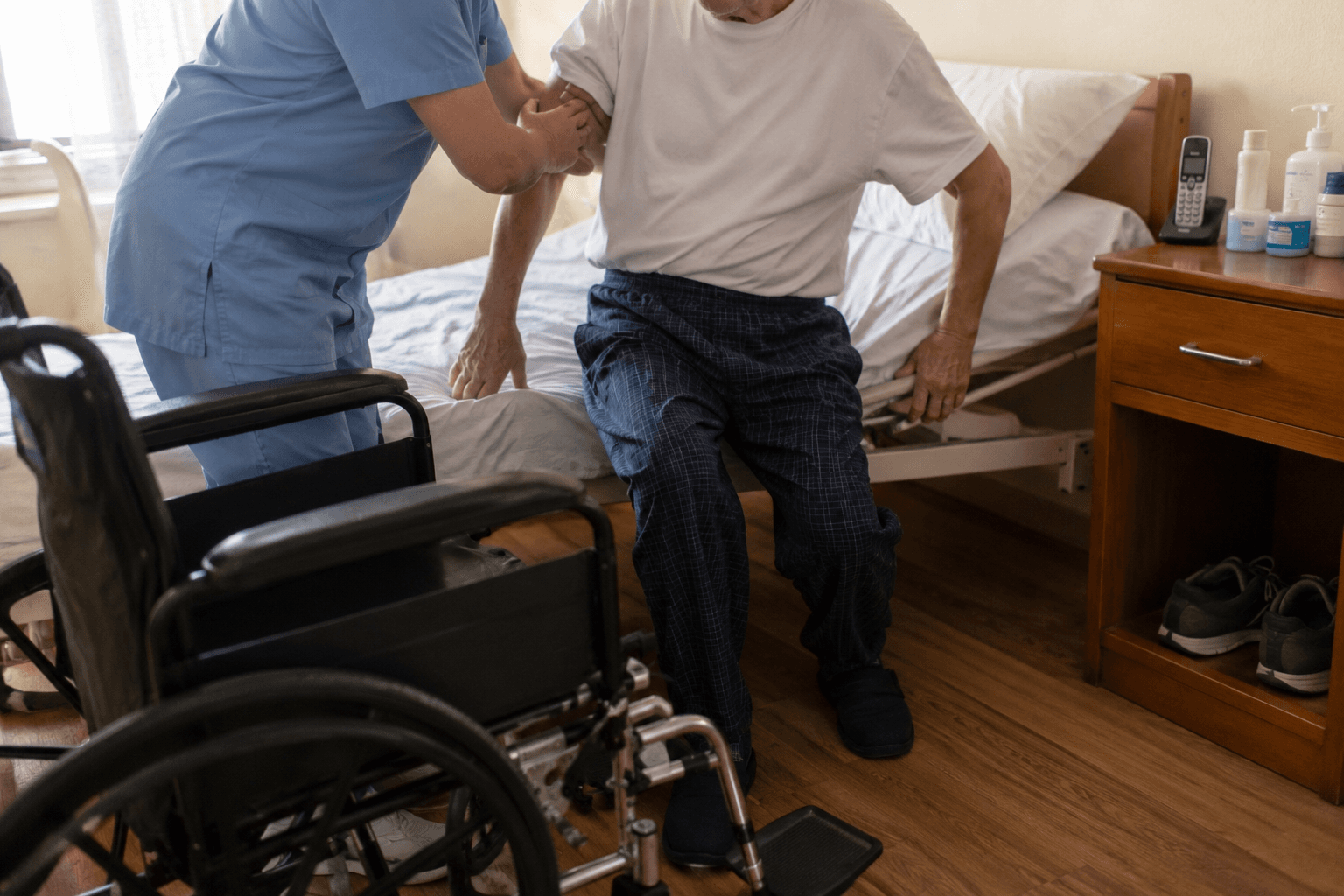
For many nursing home residents, moving from a bed to a wheelchair, standing up, or using the restroom is not something they can safely do alone. These movements — known as resident transfers — require proper assistance, training, and attention from caregivers.
When transfers are handled incorrectly, the results can be devastating.
At Michael Hill Trial Law, we often work with families whose loved ones suffered serious injuries because staff failed to assist them properly during routine movements. What should have been a simple and safe procedure instead led to falls, fractures, head injuries, and long-term health complications.
Unsafe transfers are not merely accidents. In many cases, they are signs of inadequate staffing, poor training, or failures in basic care practices.
A resident transfer refers to helping a nursing home resident move safely from one position or location to another.
Common transfers include:
For elderly individuals with mobility limitations, even these routine movements can become dangerous if not handled correctly.
Many nursing home residents have reduced strength, poor balance, or medical conditions that make movement difficult. Without proper support, they may fall or become injured during transfers.
Safe transfer procedures help prevent:
Proper assistance also helps preserve a resident’s dignity and confidence.
Unsafe transfers often occur when staff rush through procedures or fail to follow proper safety protocols.
In many cases, caregivers may attempt to move residents without enough assistance or without using the proper equipment.
Common problems include:
These situations can quickly become dangerous.
Every nursing home resident should have an individualized care plan that outlines the safest way to assist with movement and transfers.
This plan may include:
When staff ignore or fail to follow these plans, the risk of injury increases significantly.
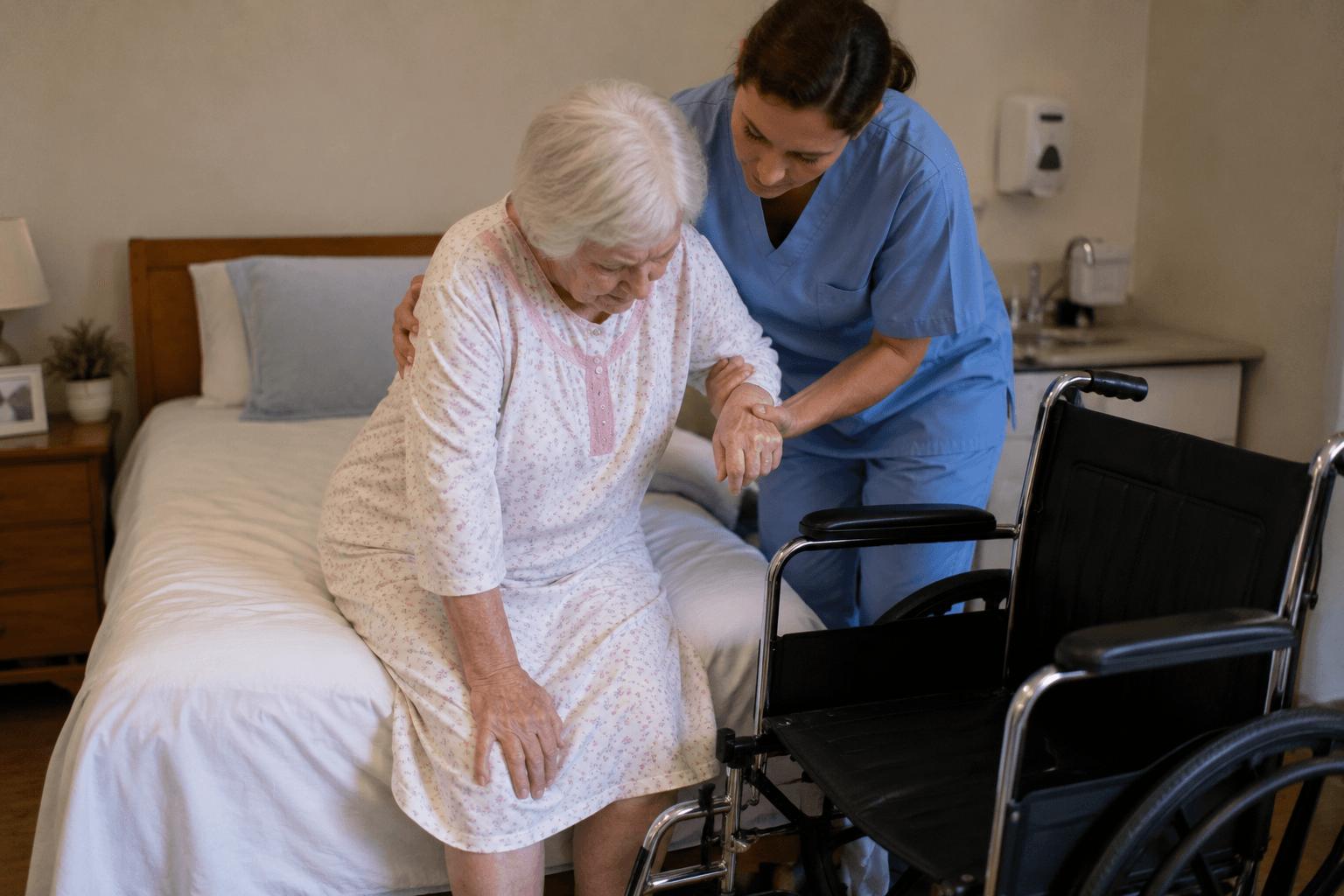
Improper transfers can result in serious injuries, especially for elderly residents whose bones and muscles are more fragile.
Potential injuries include:
In some cases, these injuries can permanently reduce a resident’s mobility and independence.
One of the biggest factors behind unsafe transfers is insufficient staffing. Safe transfers often require time, patience, and multiple caregivers — resources that understaffed facilities may struggle to provide.
When staff are overwhelmed, they may:
This creates unnecessary risks for residents who depend entirely on caregivers for safe movement.
Not every transfer-related injury automatically means a nursing home is legally responsible. However, when facilities fail to follow proper safety procedures or ignore known mobility risks, negligence may be involved.
A nursing home may be liable if:
In these cases, the injury may have been avoidable with proper care.
Families may notice signs that a loved one is not being transferred safely.
Warning signs may include:
If these concerns arise, it may be important to ask how transfer procedures are being handled.
Physical injuries are only part of the problem. After a fall or painful transfer incident, many residents become afraid to move at all.
This fear can lead to:
Over time, this emotional impact can significantly reduce quality of life.
At Michael Hill Trial Law, we understand that unsafe transfer injuries are often preventable. These incidents frequently reflect broader problems within a nursing home’s staffing, training, or safety practices.
Our firm focuses on cases involving nursing home negligence, unsafe mobility assistance, and preventable injuries to elderly residents. We work with families to determine whether facilities followed proper care standards and whether safer procedures could have prevented harm.
Helping residents move safely is one of the most basic responsibilities in a nursing home. When transfers are handled improperly, the consequences can be serious and long-lasting.
Residents deserve care that prioritizes both safety and dignity during every aspect of daily life.
If your loved one has suffered an injury during a transfer in a nursing home, it may be important to understand your legal options.
Michael Hill Trial Law is dedicated to protecting elderly residents and supporting families throughout Ohio and across the United States.
Contact Michael Hill Trial Law to learn how the firm can help you pursue accountability and ensure safer care for your loved one.