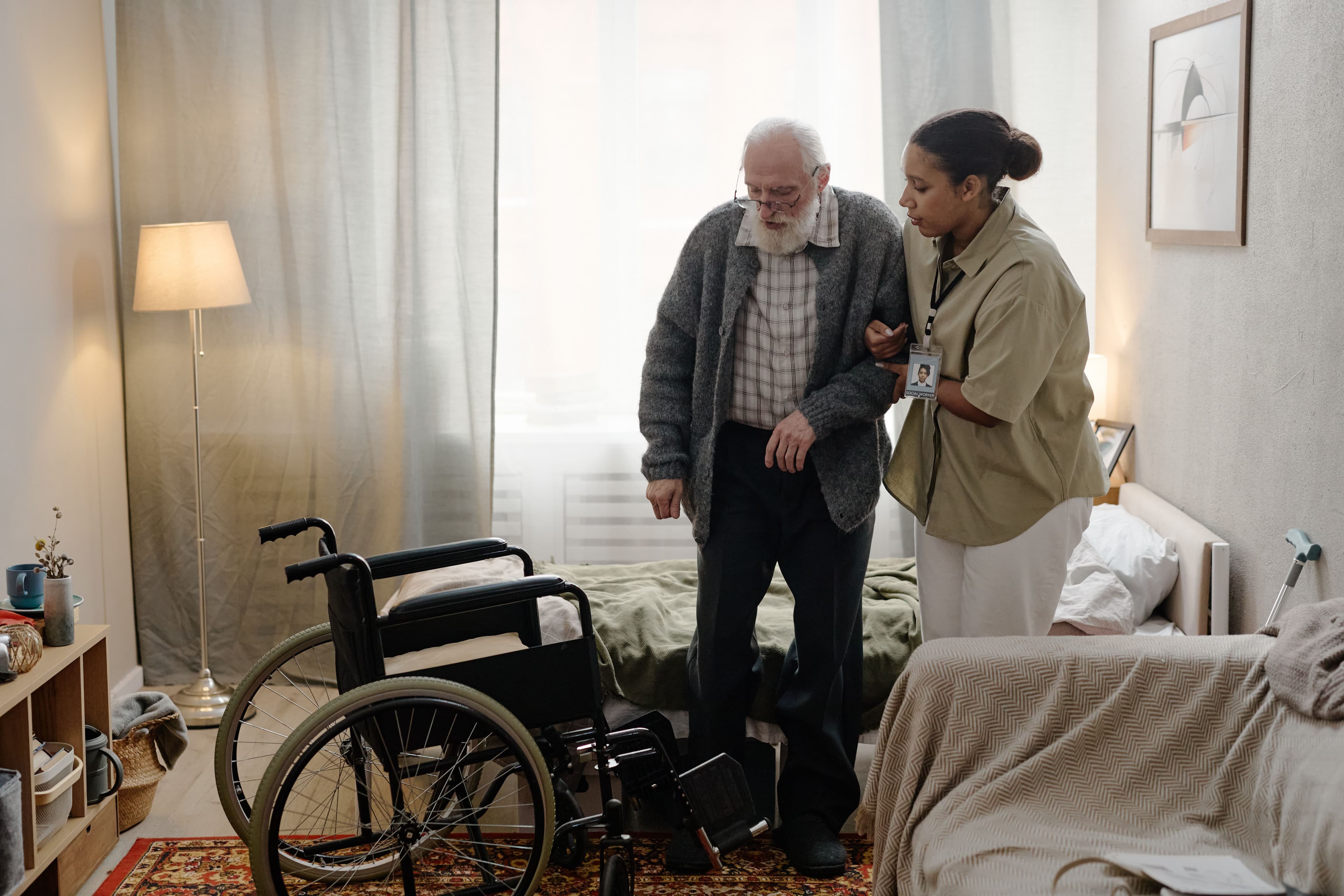
Nursing home abuse and neglect put vulnerable residents at serious risk, leading to malnutrition, dehydration, infections, and preventable injuries. When facilities fail to provide adequate care, residents suffer, and families are left feeling helpless. Lack of supervision, improper medical treatment, and unsafe conditions can result in devastating harm. Understanding the warning signs, knowing your legal rights, and holding negligent facilities accountable are crucial steps in protecting your loved ones. Learn how to take action and seek justice.
March 26, 2026
3 min
A fall in a nursing home is always concerning — but falls from beds or wheelchairs raise especially serious questions. These are not random accidents. In many cases, they happen in controlled environments where staff are expected to provide supervision, assistance, and safety measures.
At Michael Hill Trial Law, we often hear from families who are told that a fall “just happened.” But when a resident falls from a bed or wheelchair, it is important to look deeper. These incidents frequently involve preventable failures, such as lack of supervision, improper equipment use, or failure to follow care plans.
Understanding how and why these falls occur can help families determine when a nursing home may be legally responsible.
Unlike general falls, these incidents typically occur when a resident is already in a controlled setting — either resting in bed or seated in a mobility device. Because of this, nursing homes have a higher level of responsibility to prevent harm.
Residents who are at risk of falling from beds or wheelchairs often:
These risk factors are usually well documented, meaning the facility should already have precautions in place.
Falls from beds often happen when residents attempt to move without assistance or when safety measures are not properly used.
In some cases, a resident may try to get out of bed to use the restroom, adjust their position, or respond to discomfort. If staff do not respond promptly or if proper safeguards are missing, a fall can occur.
Common contributing factors include:
These are not unpredictable events — they are often tied to lapses in care.

Falls from wheelchairs frequently occur during transfers or when residents are left unattended without proper support.
For example, a resident may attempt to stand up without assistance, or may not be properly secured in the chair. In other cases, staff may rush through a transfer process, increasing the risk of injury.
Situations that may lead to wheelchair-related falls include:
When these precautions are not followed, residents may suffer serious harm.
Every nursing home resident should have an individualized care plan that addresses their specific risks — including the risk of falling.
These care plans often include detailed instructions, such as when assistance is required, what equipment should be used, and how frequently a resident should be monitored.
When staff fail to follow these plans, the risk of injury increases significantly.
A proper care plan may include:
Ignoring these instructions can be a strong indicator of negligence.
Not every fall automatically means the facility is at fault. However, falls from beds or wheelchairs often raise concerns because they occur in situations where supervision and safety measures are expected.
A nursing home may be responsible if the fall resulted from a failure to follow known safety protocols or care plans.
Examples that may indicate negligence include:
In these cases, the fall may have been preventable.
For elderly residents, even a short fall can lead to serious complications. Falls from beds or wheelchairs often involve direct impact with hard surfaces, increasing the severity of injuries.
These incidents may result in:
In some cases, complications from these injuries can lead to long-term decline or even death.
Families are often the first to notice that something is not right. A fall may not be immediately reported, or the explanation provided may not fully reflect what happened.
Warning signs may include:
If something feels off, it is worth asking detailed questions.
At Michael Hill Trial Law, we understand how alarming it is to learn that a loved one was injured while under supervised care. Falls from beds and wheelchairs often reveal deeper issues, such as inadequate staffing, poor training, or failure to follow established safety procedures.
Our firm focuses on cases involving nursing home negligence, preventable falls, and failures in resident supervision. We work to determine whether proper precautions were taken and whether the facility met its legal obligations.
Falls from beds or wheelchairs are not always accidents — they are often the result of preventable breakdowns in care. Nursing homes have a responsibility to identify risks and take appropriate steps to protect residents.
If your loved one has suffered a fall under these circumstances, understanding your legal options may be an important step toward accountability.
Michael Hill Trial Law is dedicated to protecting elderly residents and supporting families throughout Ohio and across the United States.
Contact Michael Hill Trial Law to learn how the firm can help you pursue accountability and safer nursing home care.