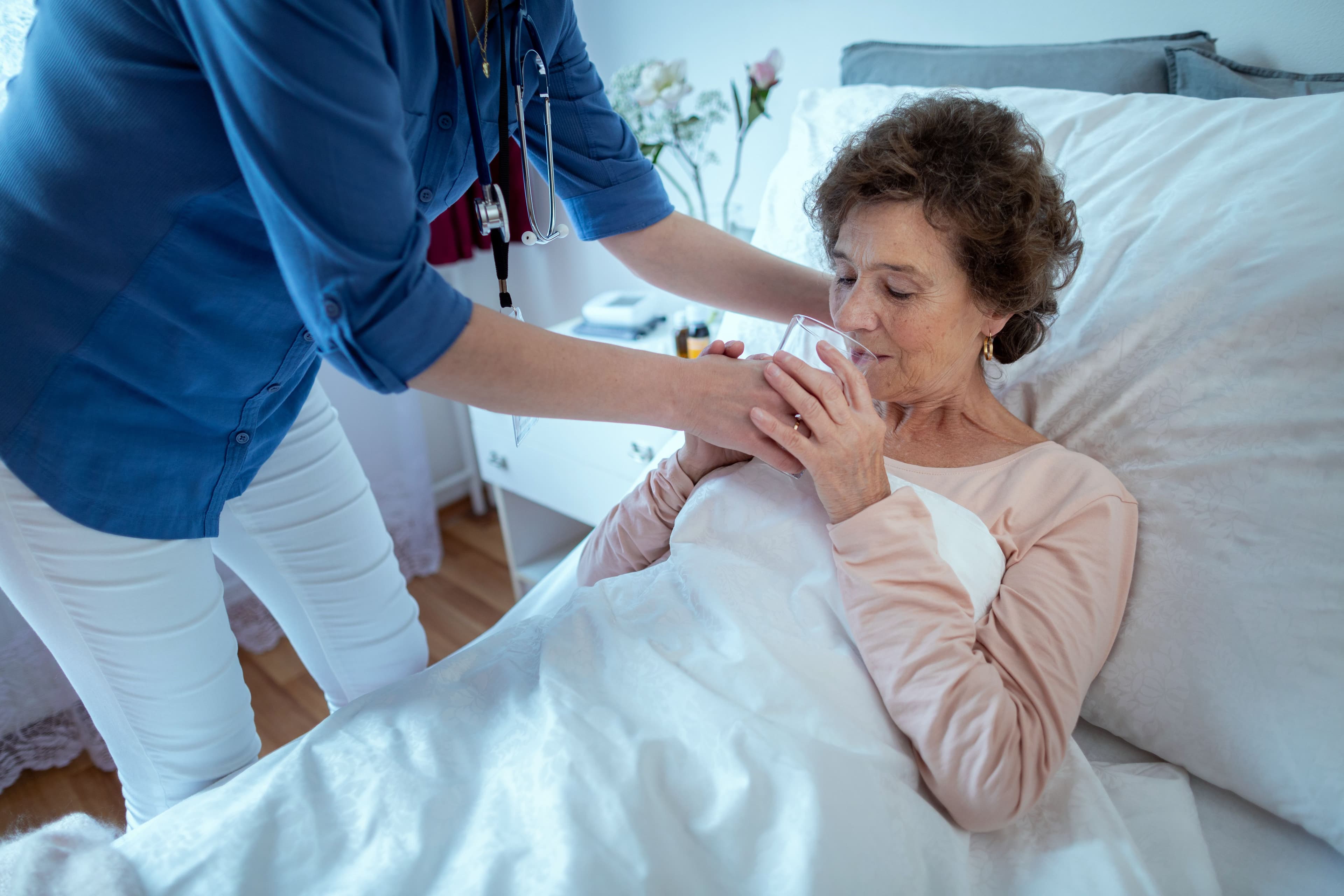
Nursing home abuse and neglect put vulnerable residents at serious risk, leading to malnutrition, dehydration, infections, and preventable injuries. When facilities fail to provide adequate care, residents suffer, and families are left feeling helpless. Lack of supervision, improper medical treatment, and unsafe conditions can result in devastating harm. Understanding the warning signs, knowing your legal rights, and holding negligent facilities accountable are crucial steps in protecting your loved ones. Learn how to take action and seek justice.
April 25, 2026
3 min
Proper nutrition and hydration are among the most basic human needs — yet in nursing homes, these essential aspects of care are sometimes overlooked. For elderly residents, even a short period without adequate food or fluids can lead to serious health complications.
At Michael Hill Trial Law, we often work with families who were unaware that their loved one was not receiving proper nourishment until the effects became visible. In many cases, dehydration and malnutrition are not caused by illness alone, but by failures in daily care and supervision.
These issues are especially concerning because they are often entirely preventable. Understanding how they happen — and when they may indicate neglect — is critical for protecting vulnerable residents.
As people age, their bodies become more sensitive to changes in diet and fluid intake. Elderly individuals may not feel thirst as strongly, may have difficulty eating independently, or may rely entirely on staff for assistance.
Without proper support, even small deficiencies can quickly escalate.
Adequate nutrition and hydration help:
When these needs are not met, the entire body is affected.
These conditions rarely happen overnight. They usually develop gradually due to a pattern of missed care, lack of monitoring, or inadequate assistance.
For example, a resident who needs help eating may be left alone during meals. Another may not be offered fluids regularly throughout the day. Over time, these small gaps in care can lead to serious problems.
Common contributing factors include:
These are all basic responsibilities that nursing homes are expected to fulfill.
Some nursing home residents are more vulnerable to dehydration and malnutrition than others. Identifying these individuals is a key part of proper care.
Residents at higher risk include those who:
Facilities are expected to recognize these risks and adjust care accordingly.
When the body does not receive enough nutrients or fluids, the effects can be severe — especially in elderly individuals.
Potential complications include:
In more serious cases, dehydration and malnutrition can lead to hospitalization or long-term health deterioration.
Not every case of dehydration or weight loss is the result of neglect. However, when a nursing home fails to provide basic assistance and monitoring, the situation may become legally significant.
Neglect may be present when:
In these situations, the harm suffered may have been preventable.
Families are often the first to notice changes that may indicate a problem. Paying attention to physical and behavioral signs can help identify issues early.
Warning signs may include:
If these symptoms are present, it is important to ask questions and seek clarification from the facility.
Proper care requires consistent monitoring of a resident’s nutritional and hydration status. Nursing homes are expected to track food and fluid intake, especially for residents at higher risk.
Documentation should reflect:
When this information is missing or inconsistent, it may indicate that proper care is not being provided.
At Michael Hill Trial Law, we understand how concerning it can be to discover that a loved one’s basic needs may not have been met. These cases often involve patterns of neglect that develop over time.
Our firm focuses on cases involving nursing home neglect, inadequate care, and preventable harm to elderly residents. We work with families to determine whether facilities followed proper standards and whether the harm could have been avoided.
Food and water are fundamental to life — and ensuring that residents receive proper nutrition and hydration is one of the most basic responsibilities of any nursing home.
When these needs are ignored, the consequences can be serious and far-reaching.
If you believe your loved one may be suffering from dehydration or malnutrition in a nursing home, understanding your legal options may be an important step toward protecting their health and well-being.
Michael Hill Trial Law is dedicated to protecting elderly residents and supporting families throughout Ohio and across the United States.
Contact Michael Hill Trial Law to learn how the firm can help you pursue accountability and ensure proper care for your loved one.