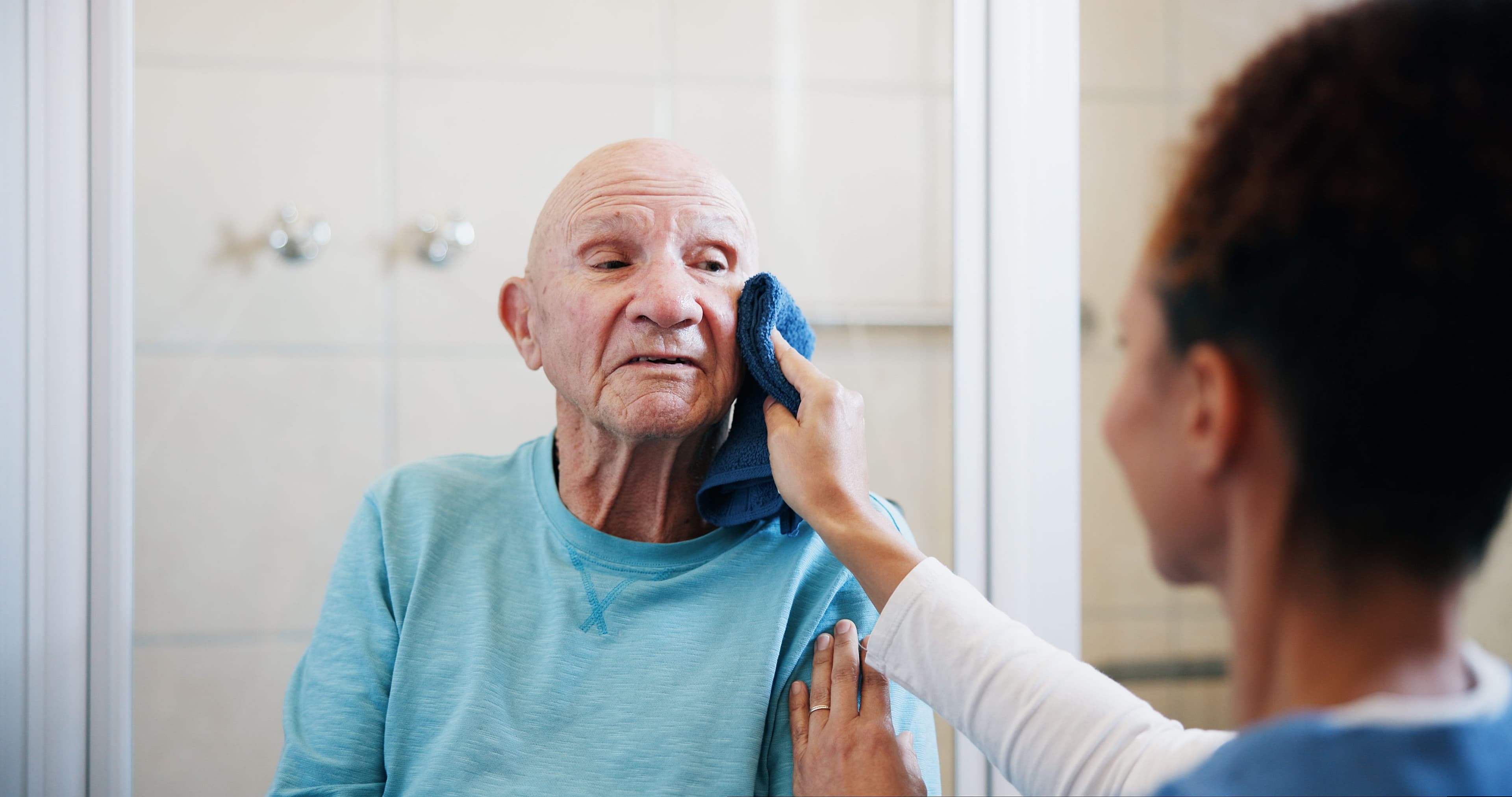
Nursing home abuse and neglect put vulnerable residents at serious risk, leading to malnutrition, dehydration, infections, and preventable injuries. When facilities fail to provide adequate care, residents suffer, and families are left feeling helpless. Lack of supervision, improper medical treatment, and unsafe conditions can result in devastating harm. Understanding the warning signs, knowing your legal rights, and holding negligent facilities accountable are crucial steps in protecting your loved ones. Learn how to take action and seek justice.
April 25, 2026
3 min
Cleanliness is one of the most basic expectations in any care facility — especially in a nursing home, where residents are often medically vulnerable and rely on staff for daily hygiene. Yet, in some facilities, poor sanitation and inadequate hygiene practices create dangerous conditions that put residents at risk.
At Michael Hill Trial Law, we frequently see cases where declining health is not simply due to aging, but to unsanitary environments and lack of proper personal care. These situations are not just uncomfortable — they can lead to infections, illness, and serious complications.
Understanding how hygiene failures occur — and when they may constitute neglect — is essential for families who want to ensure their loved ones are safe.
For elderly residents, hygiene is closely tied to health. Many residents have weakened immune systems, making them more susceptible to infections and illness. Clean environments and proper personal care are critical in preventing these risks.
Good hygiene practices help:
When these basic standards are not met, residents may face unnecessary harm.
Nursing homes are expected to maintain both environmental cleanliness and personal hygiene care for residents.
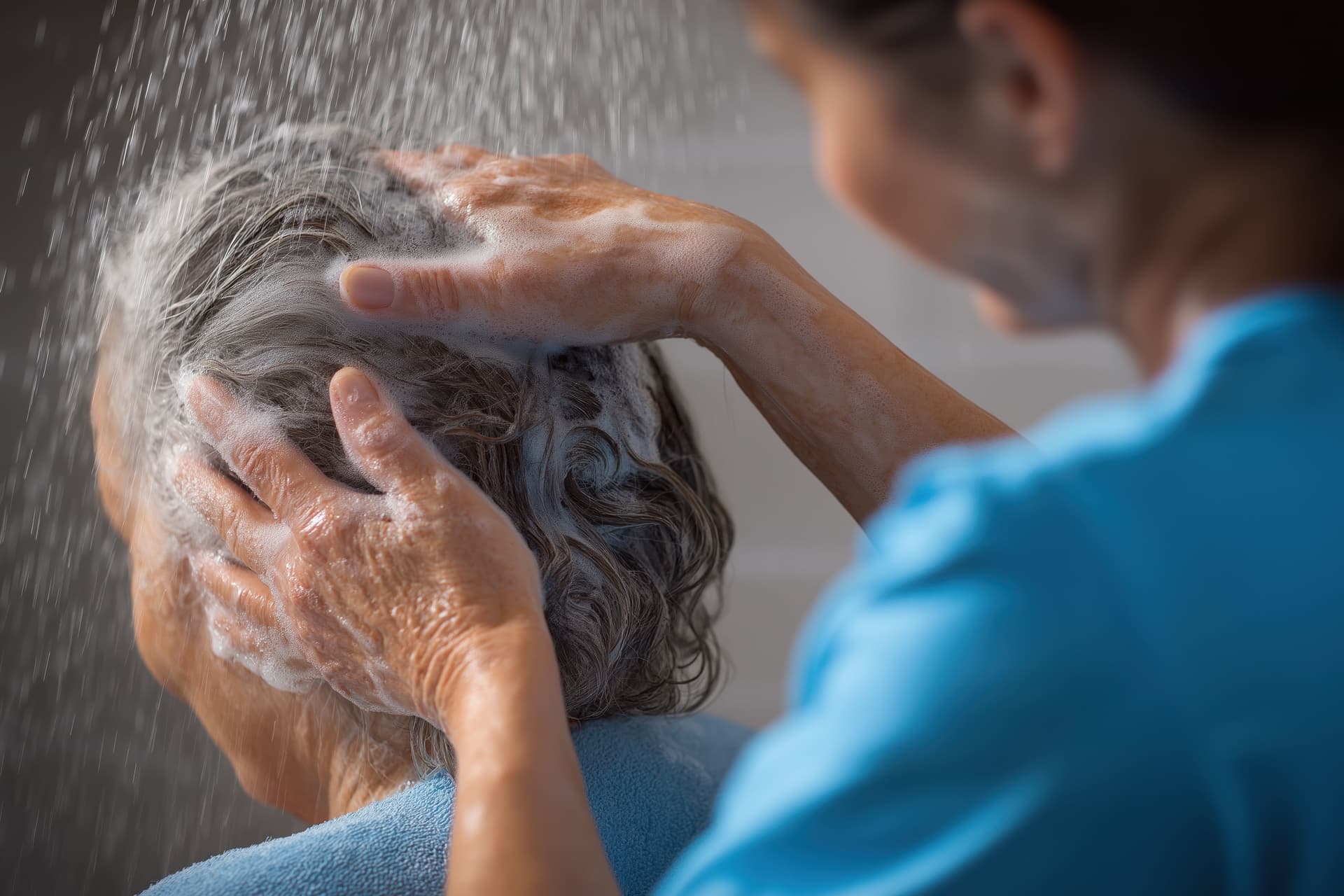
This includes routine cleaning of rooms, bathrooms, and common areas, as well as assisting residents with daily hygiene tasks such as bathing, grooming, and oral care.
Proper hygiene care typically involves:
These are not optional services — they are essential parts of standard care.
Poor hygiene in nursing homes is rarely the result of a single oversight. More often, it reflects ongoing issues within the facility.
Understaffing is a common factor. When staff are overwhelmed, tasks like cleaning and assisting with hygiene may be rushed or skipped entirely.
Other contributing issues include:
These problems can create an environment where hygiene standards gradually decline.
When hygiene is not properly maintained, residents face increased exposure to bacteria, viruses, and other harmful conditions.
The consequences can be serious, especially for elderly individuals.
Potential risks include:
In severe cases, these conditions can lead to hospitalization or long-term health complications.
Families visiting a nursing home are often able to notice signs that something is wrong. While some issues may seem minor at first, they can indicate larger problems.
Warning signs may include:
If these conditions are visible, they may reflect broader issues within the facility.
Not every cleanliness issue rises to the level of legal neglect. However, when a facility consistently fails to maintain basic hygiene standards — especially when it leads to harm — it may become a serious concern.
Neglect may be present when:
In these situations, the harm suffered is often preventable.
Beyond physical health, poor hygiene can deeply affect a resident’s sense of dignity. Being left unclean or in unsanitary conditions can lead to embarrassment, discomfort, and emotional distress.
Residents may feel:
This emotional impact is often overlooked but can significantly affect overall well-being.
At Michael Hill Trial Law, we understand that poor hygiene is not just an inconvenience — it can be a sign of deeper neglect within a nursing home. These cases often involve patterns of inadequate care that develop over time.
Our firm focuses on cases involving nursing home neglect, unsafe conditions, and preventable harm to elderly residents. We work with families to determine whether proper hygiene standards were maintained and whether the facility met its legal responsibilities.
Every nursing home resident deserves to live in a clean, safe, and dignified environment. Proper hygiene is not a luxury — it is a fundamental part of care.
When facilities fail to meet these basic standards, the consequences can be serious.
If you believe your loved one is living in unsanitary conditions or not receiving proper hygiene care, it may be important to explore your legal options.
Michael Hill Trial Law is dedicated to protecting elderly residents and supporting families throughout Ohio and across the United States.
Contact Michael Hill Trial Law to learn how the firm can help you pursue accountability and ensure safe, dignified care.