
Nursing home abuse and neglect put vulnerable residents at serious risk, leading to malnutrition, dehydration, infections, and preventable injuries. When facilities fail to provide adequate care, residents suffer, and families are left feeling helpless. Lack of supervision, improper medical treatment, and unsafe conditions can result in devastating harm. Understanding the warning signs, knowing your legal rights, and holding negligent facilities accountable are crucial steps in protecting your loved ones. Learn how to take action and seek justice.
February 26, 2026
3 min
Food and water are the most basic human needs. When an elderly resident in a nursing home becomes malnourished or dehydrated, families are often shocked — and rightly so. These conditions are frequently preventable with proper supervision and care.
At Michael Hill Trial Law, we have seen how failures in nutrition and hydration can lead to rapid physical decline, hospitalization, and even death. While aging can affect appetite and fluid intake, nursing homes have a legal duty to monitor, assist, and intervene when residents are at risk.
Understanding how malnutrition and dehydration occur, the warning signs to watch for, and when a facility may be legally responsible is critical for families advocating for vulnerable loved ones.
Older adults face unique challenges that increase the risk of malnutrition and dehydration.
Common risk factors include:
Because these risks are predictable, nursing homes are expected to assess residents regularly and implement individualized nutrition plans.
Proper prevention involves more than simply serving meals. Facilities must actively monitor and support residents’ nutritional health.
Appropriate measures may include:
When these safeguards are not consistently applied, residents may suffer serious consequences.
Malnutrition does not always develop suddenly. Families may observe gradual changes that signal a problem.
Red flags include:
Any significant, unexplained weight change should prompt immediate inquiry.
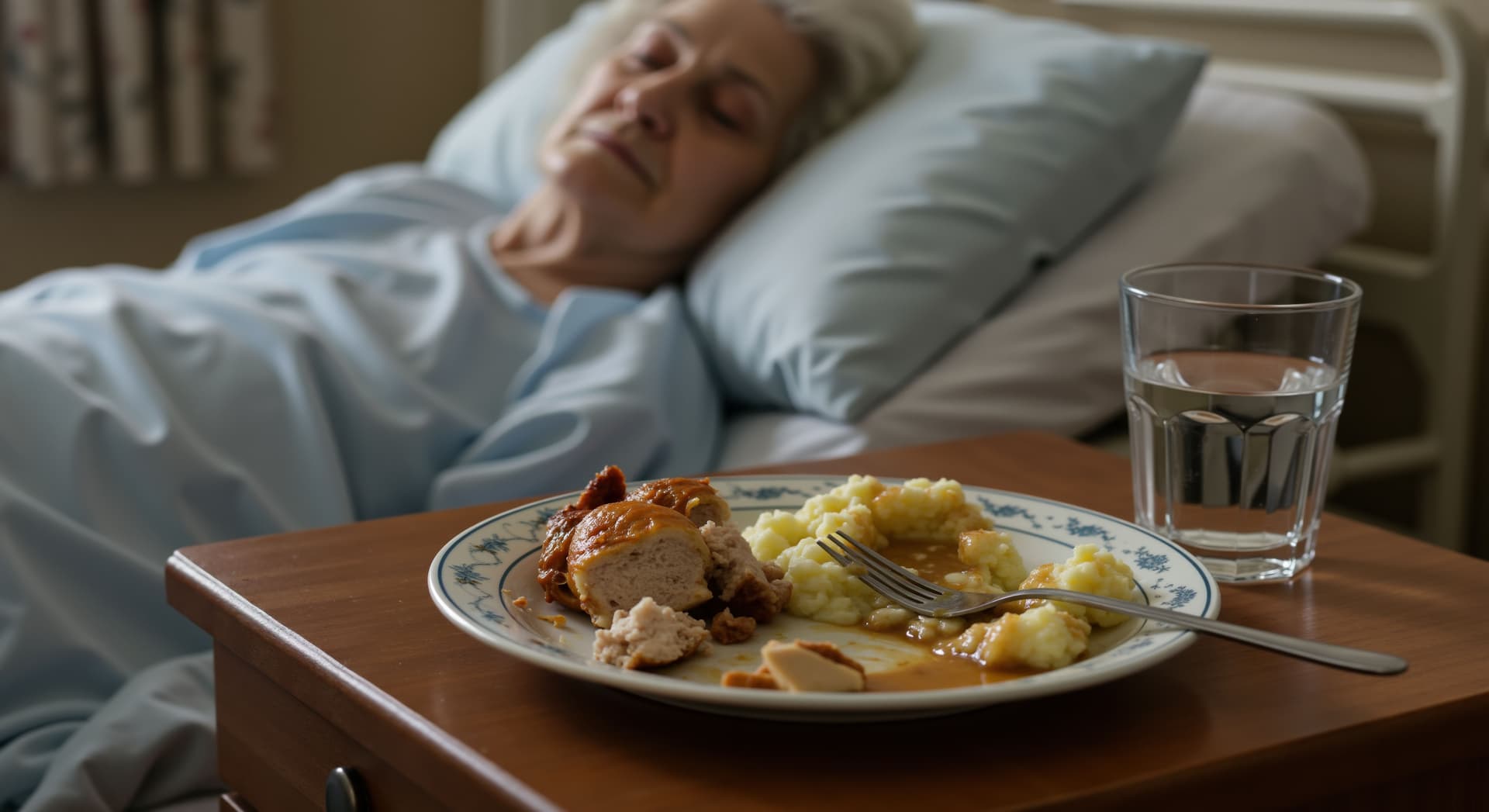
Dehydration can develop quickly and may be life-threatening for elderly individuals.
Common symptoms include:
In severe cases, dehydration can lead to kidney failure, hospitalization, or fatal complications.
One of the most common underlying causes of malnutrition in nursing homes is inadequate staffing.
When staffing levels are insufficient:
Residents who cannot feed themselves are particularly vulnerable when staffing is inadequate.
Not every case of weight loss or dehydration automatically proves neglect. However, negligence may be suspected when facilities fail to respond appropriately to known risks.
A nursing home may be liable if:
Under Ohio law and federal regulations, nursing homes must provide services to maintain residents’ highest practicable physical well-being.
The impact of malnutrition and dehydration can be severe, especially in elderly residents.
Possible outcomes include:
These conditions often compound other medical issues, accelerating overall decline.
Nursing homes participating in Medicare and Medicaid must comply with strict federal nutrition standards. Ohio regulations reinforce these requirements.
Facilities are required to:
Failure to comply with these standards may expose a facility to civil liability.
If you believe your loved one is suffering from malnutrition or dehydration in a nursing home, prompt action is essential.
Steps to consider include:
Acting early can prevent further deterioration.
At Michael Hill Trial Law, we understand that malnutrition and dehydration are not just medical issues — they are often signs of deeper neglect. When nursing homes fail to provide basic sustenance and monitoring, residents’ health and dignity are placed at risk.
Our firm focuses on cases involving nursing home neglect, inadequate supervision, and preventable harm to elderly residents. We work to uncover whether proper care standards were followed and to pursue accountability when they were not.
Every nursing home resident deserves adequate food, hydration, and attentive monitoring. When facilities fail to meet these basic obligations, the consequences can be devastating.
If your loved one has suffered harm due to malnutrition or dehydration in a nursing home, understanding your legal options is an important step toward accountability.
Michael Hill Trial Law is dedicated to protecting elderly residents and supporting families throughout Ohio and across the United States.
Contact Michael Hill Trial Law to learn how the firm can help you pursue accountability and safer nursing home care.