
When families admit a loved one into a nursing home, the process can feel overwhelming. There is often a stack of paperwork to review and sign, sometimes during an emotional or urgent situation. Buried within those documents, there is often a clause that many people overlook — the arbitration agreement.
At Michael Hill Trial Law, we frequently speak with families who had no idea they signed away certain legal rights when their loved one entered a facility. These agreements can significantly affect how disputes are handled if something goes wrong, including cases involving neglect or abuse.
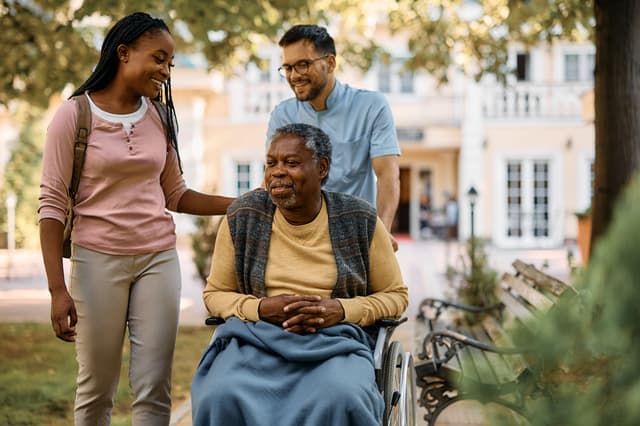
Staying connected with family is essential to an elderly person’s emotional, mental, and even physical well-being. When a loved one moves into a nursing home, regular visits often become a lifeline — offering comfort, advocacy, and reassurance. At Michael Hill Trial Law, we frequently hear from families who are shocked and distressed when a nursing home suddenly limits or denies visitation without clear justification.
While nursing homes may establish reasonable rules, family visitation is not a privilege — it is a protected right in many situations. Understanding what the law allows, when restrictions may cross legal boundaries, and how families can respond is critical to protecting elderly residents from isolation and neglect.
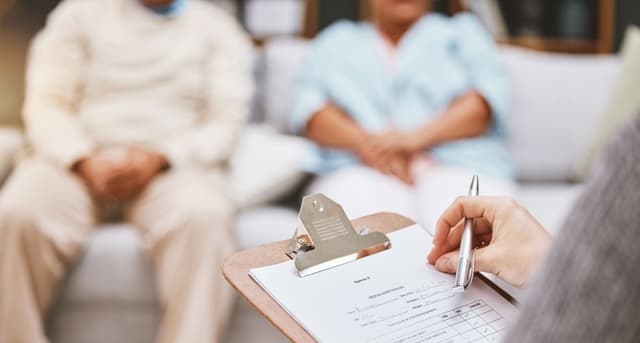
Most families assume that nursing homes are closely monitored and held to high standards of care. While regulations do exist, many people are surprised to learn how often nursing homes violate those rules — and how serious the consequences can be for elderly residents. At Michael Hill Trial Law, we frequently help families who uncover troubling inspection histories only after their loved one has already been harmed.
Understanding how nursing homes are regulated and inspected in Ohio empowers families to make informed decisions, recognize warning signs early, and take action when a facility fails to meet its legal obligations.
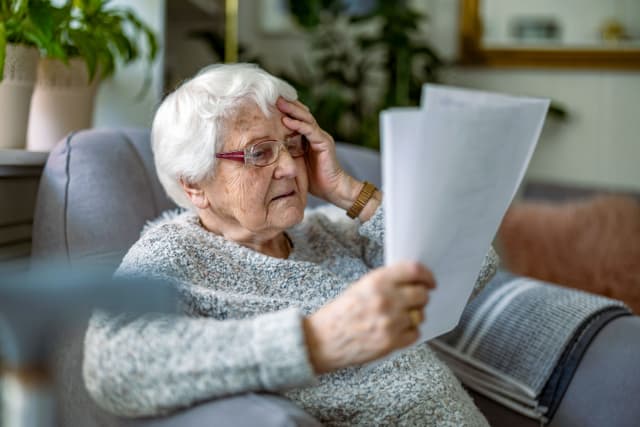
When families place a loved one in a nursing home, they trust the facility to protect not only their physical safety, but also their financial security. Unfortunately, across Ohio and the United States, financial exploitation remains one of the most common—and least visible—forms of elder abuse in nursing homes.
Unlike physical abuse, financial exploitation often occurs quietly. Money disappears, personal property goes missing, or legal documents are altered without a resident’s full understanding. By the time families realize what has happened, the damage may already be extensive.

For many elderly residents, a nursing home is not just a care facility—it is their home. Being abruptly told to leave can be frightening, disorienting, and dangerous. Unfortunately, across Ohio and the United States, some nursing homes attempt to illegally discharge or transfer residents for reasons that violate state and federal law.
These wrongful discharges often occur when a resident becomes more medically complex, requires additional care, runs out of private funds, or speaks up about neglect. In many cases, facilities prioritize convenience or profit over resident safety, placing seniors at serious risk of harm.
Making decisions about nursing home care for a loved one is a process fraught with emotional and legal challenges. As our loved ones age or as they face debilitating illnesses, their ability to make informed decisions about their care often diminishes. This can leave families in a difficult position, balancing respect for their loved one’s autonomy and ensuring their safety and well-being. Two critical legal tools that can help navigate these challenges are guardianship and power of attorney (POA). These legal mechanisms provide the authority to make decisions on behalf of an incapacitated individual, ensuring their needs are met when they can no longer decide for themselves.
This article will explore the differences between guardianship and power of attorney, their roles in nursing home cases, and the legal considerations families should consider when dealing with these critical issues.
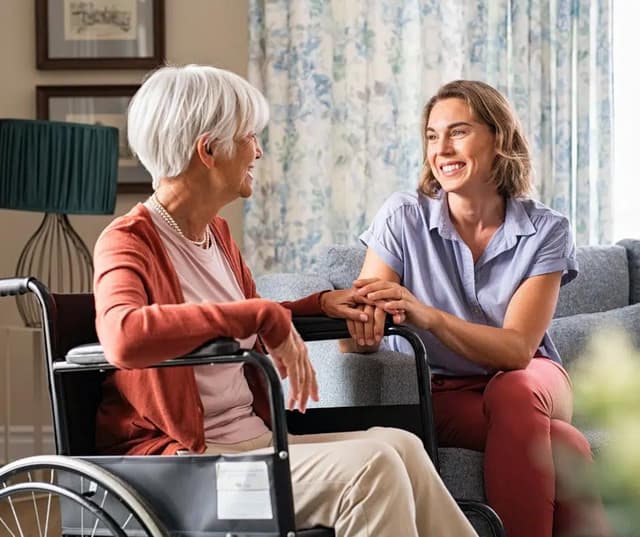
Ensuring the well-being of residents and the quality of care in nursing homes is paramount. One of the most effective strategies for monitoring these factors is through unannounced visits. These surprise inspections provide an authentic view of daily conditions and interactions, allowing you to identify potential issues and address concerns promptly. This guide is designed to help you conduct successful unannounced visits and highlights key aspects to observe during your inspections.

Before reading this section, please be sure you have read Part 1: The Basics of a Deposition. Reading Part 1 first will make this section much easier to understand.

Nursing homes are notorious for keeping damaging information from residents and the public. It’s essential for the nursing home industry to be transparent and accountable to ensure residents receive the care they deserve. However, this is not always the case.

As our loved ones age, finding the right living arrangement is crucial for their well-being. The aging process often brings changes in health, mobility, and social needs, making it essential to explore various options that can provide the appropriate level of care and support. While traditional nursing homes often come to mind, many families may be unaware of the alternative living arrangements available today.
The choice of living arrangement can significantly impact a senior’s quality of life, independence, and overall happiness. Each individual is unique, and what works for one person may not be suitable for another. Therefore, it’s vital to consider personal preferences, health conditions, financial situations, and family dynamics when deciding on the best living arrangement for elderly relatives.

Choosing the right nursing home is a crucial decision that requires careful consideration and thorough research. Families and individuals seeking long-term care options must assess specific needs and preferences to make sure the chosen facility can provide the necessary level of care. This guide aims to provide a detailed overview of the steps involved in selecting a nursing home, offering valuable insights and recommendations to help families make informed decisions that best suit their loved ones’ needs.

Elder abuse is a growing issue that impacts millions of older adults in nursing homes, assisted living facilities, and private homes. It includes harmful behaviors like physical violence, neglect, emotional manipulation, and financial exploitation. Many elders are vulnerable due to cognitive impairments, physical limitations, or social isolation. This makes it essential to have a thorough assessment process to spot abuse before it gets worse. Asking the right questions plays a key role in detecting abuse; these targeted questions are often the first step in uncovering problems that could otherwise be overlooked.
Practical assessment involves asking sensitive and respectful questions that cover different parts of an elder’s life. A thorough evaluation looks beyond basic checklists and takes a closer look at the elder’s physical health, emotional well-being, financial security, risk of wandering, and possible sexual abuse. This guide explores key questions in each of these areas, offering a clear approach that caregivers, healthcare providers, and legal advocates can use to detect abuse and take the right steps to address it.

Nothing seems to concern clients and witnesses more than the idea of giving a deposition. Thoughts of interrogators, bright lights, and fist-pounding lawyers come to mind. Depositions are one of the necessary steps of any lawsuit, however, and with a little know-how, are much less intimidating than originally thought.
To assist not only our clients but anyone who has an upcoming deposition or simply wants to know more about the deposition process, we have put together this two-part guide.

The question of whether you should install a camera in a nursing home is becoming increasingly asked. The short answer is yes should install a camera in the nursing home. Just make sure that it is legal to do so.
The days of small, independent nursing homes are largely gone. In the past, a nurse or physician may expand their practice by purchasing a nursing home–or home for the aged, care homes, or convalescent homes–as they were often called. By operating a nursing home, they were able to care for a greater number of people. Those small, independent nursing homes have been replaced by large corporations funded by private equity firms.
There are more than 1.3 million residents living in the more than 15,000 nursing homes in the United States. 72% of nursing homes are now for-profit companies, and 66% of all nursing homes are now part of a corporate chain. The 10 largest chains own more than 10% of all nursing homes and operate in more than half the states. The top 30 nursing home chains account for more than 250,000 nursing home beds.
A lawsuit can be a new and frightening experience, especially when you don't know what to expect. We have done our best to answer the most common questions new clients initially have. If you do not find the answer to your questions here, we will be able to answer any questions when you contact us. You can also review the "Lifecycle of a Lawsuit" (keep reading below) to get a better picture of what to expect during the course of your case.