![[object Object]](/_next/image?url=%2F_next%2Fstatic%2Fmedia%2Fbadge-%20(1).ddc0678d.png&w=256&q=75)
![[object Object]](/_next/image?url=%2F_next%2Fstatic%2Fmedia%2Fbadge-%20(2).70974308.png&w=256&q=75)
![[object Object]](/_next/image?url=%2F_next%2Fstatic%2Fmedia%2Fbadge-%20(3).19d2a9ec.png&w=256&q=75)
![[object Object]](/_next/image?url=%2F_next%2Fstatic%2Fmedia%2Fbadge-%20(4).d155f52a.png&w=256&q=75)
![[object Object]](/_next/image?url=%2F_next%2Fstatic%2Fmedia%2Fbadge-%20(5).1e4703b1.png&w=384&q=75)
![[object Object]](/_next/image?url=%2F_next%2Fstatic%2Fmedia%2Fbadge-%20(7).cab8d1ba.png&w=640&q=75)
![[object Object]](/_next/image?url=%2F_next%2Fstatic%2Fmedia%2Fbadge-%20(6).96db7023.png&w=256&q=75)
![[object Object]](/_next/image?url=%2F_next%2Fstatic%2Fmedia%2Fbadge-8.3744b1e4.png&w=384&q=75)
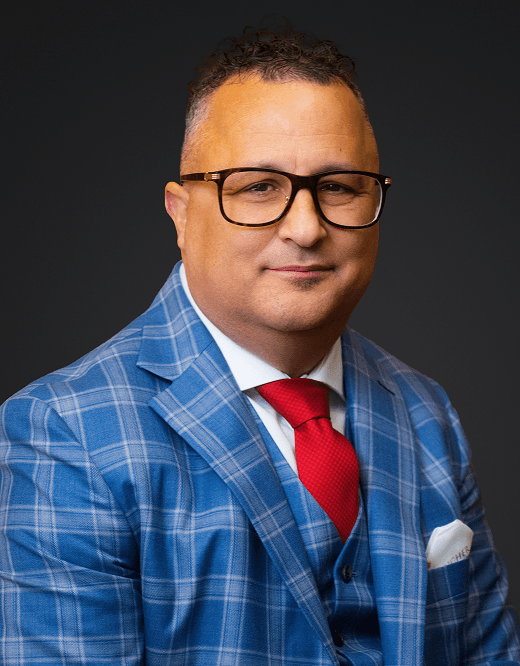
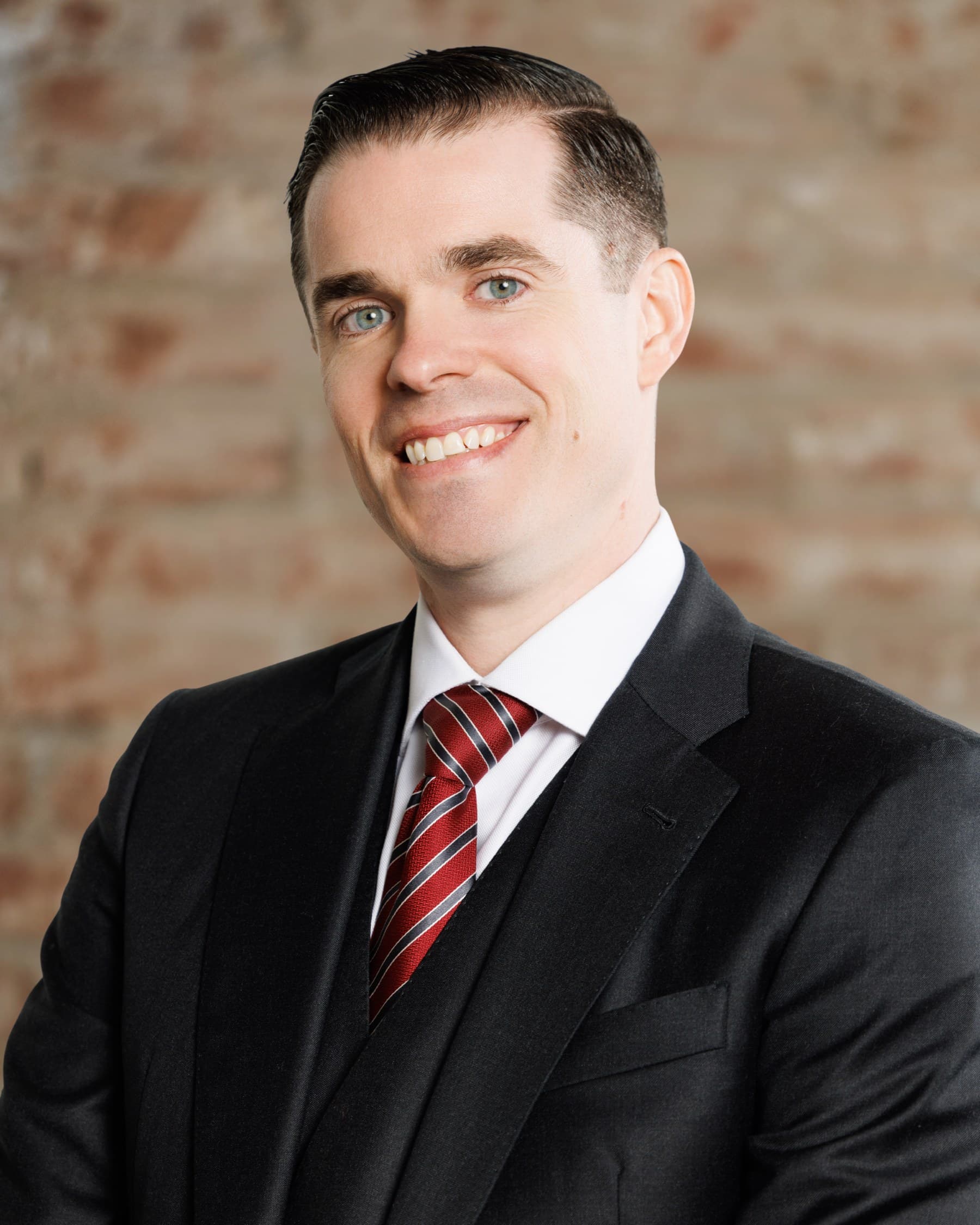
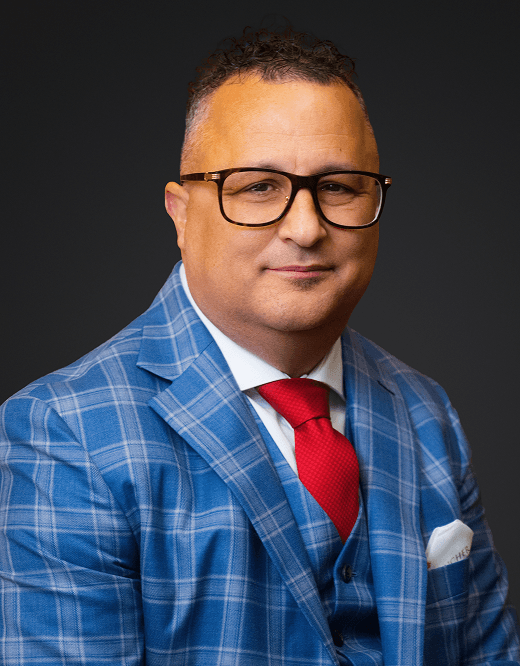
California Affiliate Counsel | Founder, Rencher Law Group, P.C.
D.L. Rencher is the founder of Rencher Law Group, P.C. and the California affiliate of Michael Hill Trial Law. For years, D.L. and Michael Hill have worked side by side on nursing home abuse and neglect and wrongful death cases, holding negligent facilities accountable and securing recoveries for families. D.L. has been named to The National Trial Lawyers: Top 100 list for five consecutive years and is a member of both the Million Dollar and Multi-Million Dollar Advocates Forums.
Working out of San Francisco and San Diego, D.L. serves as the firm’s trial counsel throughout California, handling nursing home neglect and abuse and wrongful death cases across the state. On every California case, D.L. and Michael work as a single team—combining the firm’s record-setting approach to litigating against long-term care facilities with D.L.’s deep knowledge of California law and courtrooms. D.L. began his career defending the very healthcare facilities and institutions that plaintiffs sue—experience that tells him exactly how the other side evaluates a case, where they look for weakness, and how to shut those strategies down before they take shape. That insight, combined with his early training as a Marine Corps firefighter and emergency medical technician, makes him especially effective in cases built on complex medical evidence.
Born in Grand Rapids, Michigan, D.L. enlisted in the United States Marine Corps out of high school and was deployed during Operation Desert Storm. He graduated with honors from UCLA and earned his law degree from UC College of the Law, San Francisco, where he served on the Trial Team and received the Moot Court Award for Best Oral Advocate.
view all resources
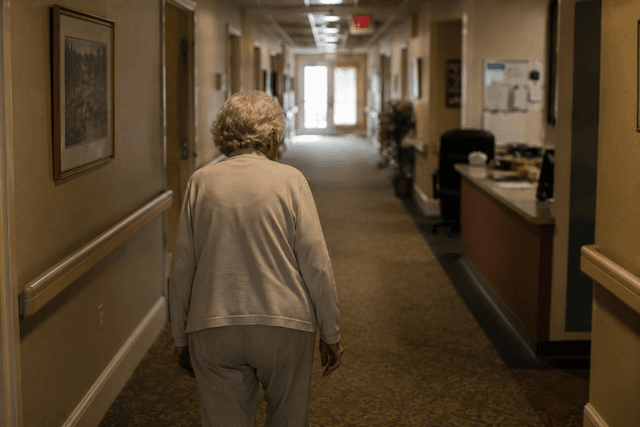
Caring for residents with dementia requires patience, training, and constant supervision. Many individuals living with Alzheimer’s disease or other forms of dementia experience confusion, memory loss, and disorientation that can place them at serious risk if they are not properly monitored.
One of the most dangerous consequences of inadequate supervision is wandering.
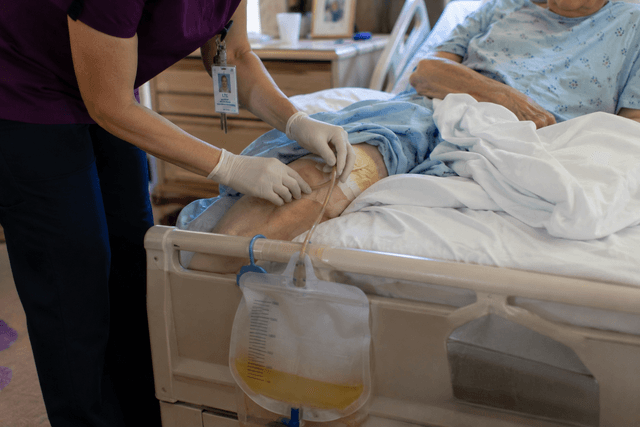
For many nursing home residents, catheters are medically necessary devices used to assist with bladder function and other health conditions. While catheters can improve comfort and medical management when properly maintained, they also require careful monitoring, hygiene, and professional handling.
When nursing homes fail to provide appropriate catheter care, residents can suffer painful infections and severe complications that may have been preventable.

Bed alarms are commonly used in nursing homes to help protect residents who are at risk of falling or wandering. These systems are designed to alert staff when a resident attempts to leave a bed without assistance, allowing caregivers to respond quickly before an accident occurs.
However, when bed alarms are improperly managed — or ignored altogether — the very systems meant to improve safety can become ineffective.

For many nursing home residents, moving from a bed to a wheelchair, standing up, or using the restroom is not something they can safely do alone. These movements — known as resident transfers — require proper assistance, training, and attention from caregivers.
When transfers are handled incorrectly, the results can be devastating.